For thousands of years, the Nile was Egypt’s main highway. Kings, priests, armies and stone blocks for the temples all travelled on it. A Nile cruise lets you follow the same route at an unhurried pace.
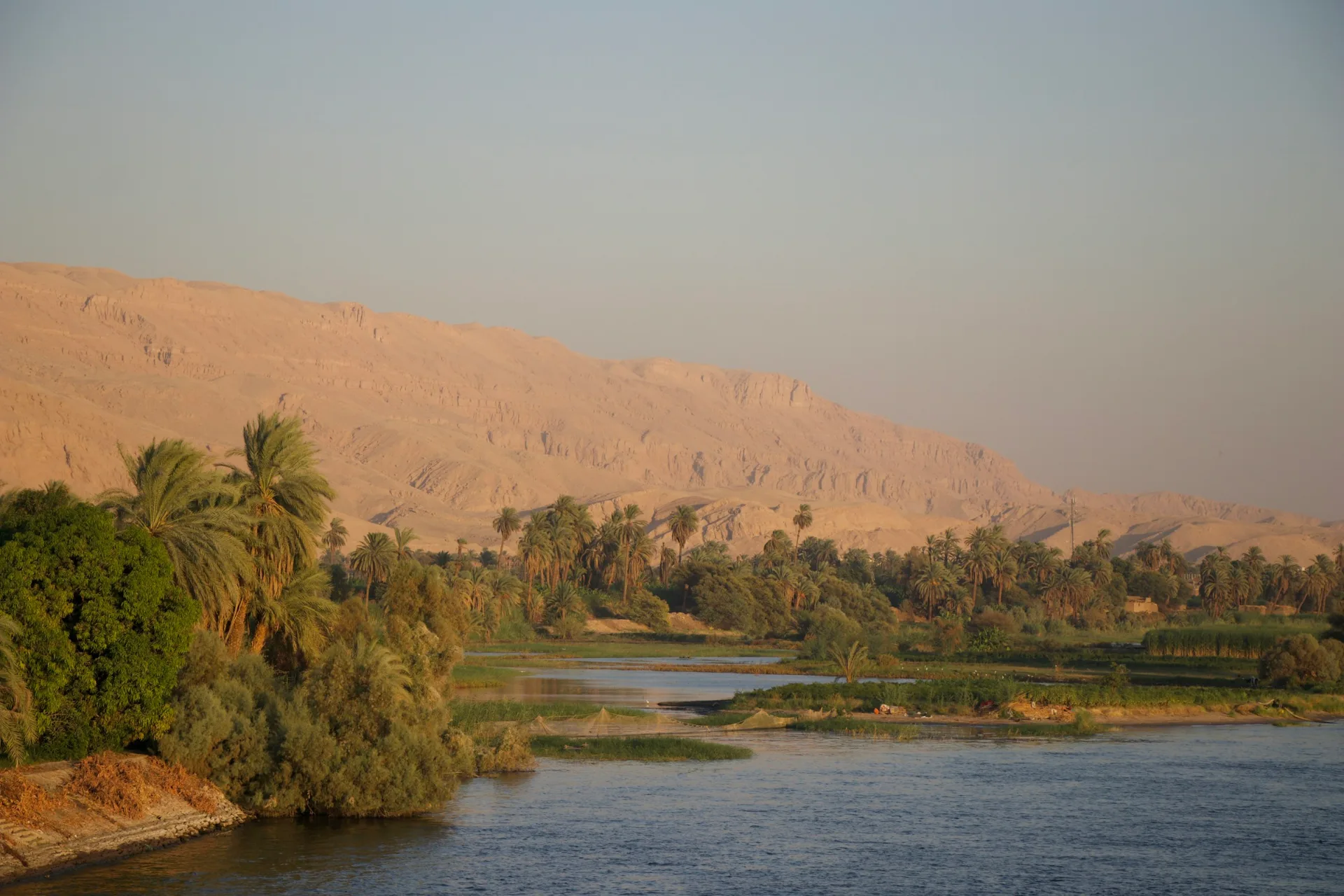
You unpack once, wake up in a new town each morning and watch rural Egypt glide past from the sun deck: farmers at work, children waving from the banks, white-sailed feluccas and the desert glowing gold beyond the green strip.
At Egyptista, Nile cruises sit at the heart of many of our trips. This guide explains how a cruise between Luxor and Aswan works, which temples you will visit, what life on board is like and how to choose the right ship.
Most Nile cruises sail the stretch of river between Luxor and Aswan, in Upper Egypt. There are two main options:
Luxor to Aswan: usually four nights, sailing upstream with extra time in Luxor at the start.
Aswan to Luxor: usually three nights, sailing downstream and finishing in Luxor.
Our cruise programmes run over 4 or 5 days. Sightseeing with an Egyptologist guide, full-board meals and life on board are all part of the experience. Many travellers combine the cruise with a few days in Cairo for the Pyramids of Giza and the Grand Egyptian Museum, linked by a short domestic flight.
Ancient Thebes, modern Luxor, is often called the world’s largest open-air museum, and a cruise gives you time to explore both banks of the river.
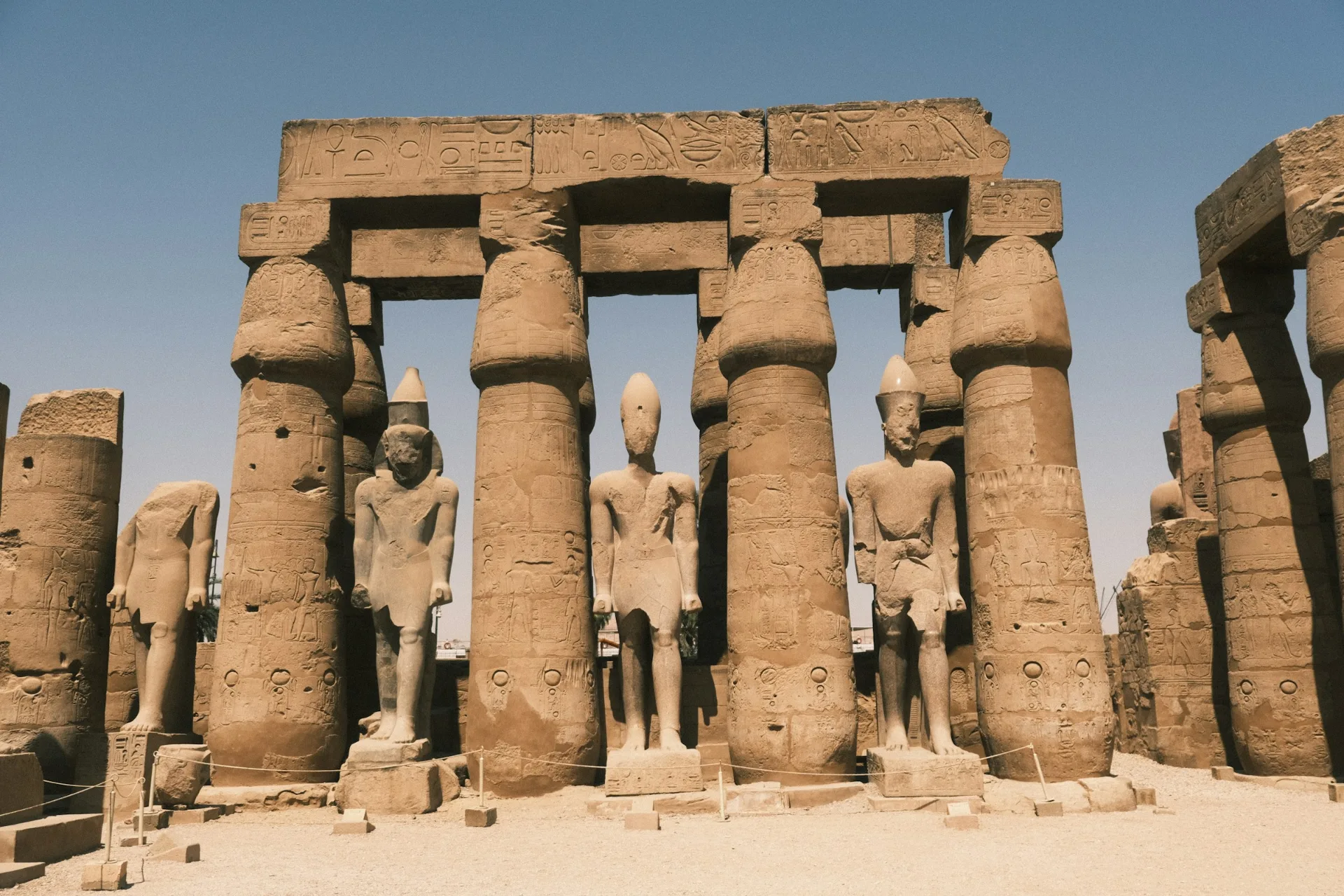
Karnak Temple Complex: a city of temples built over two thousand years, with the 134 giant columns of the Great Hypostyle Hall.
Luxor Temple: the festival temple of Amun in the heart of the city, beautiful when lit up after sunset.
Valley of the Kings: painted royal tombs cut deep into the desert hills.
Temple of Hatshepsut: the terraced masterpiece of Egypt’s most famous female pharaoh.
The Colossi of Memnon: two giant seated statues of Amenhotep III on the road to the tombs.
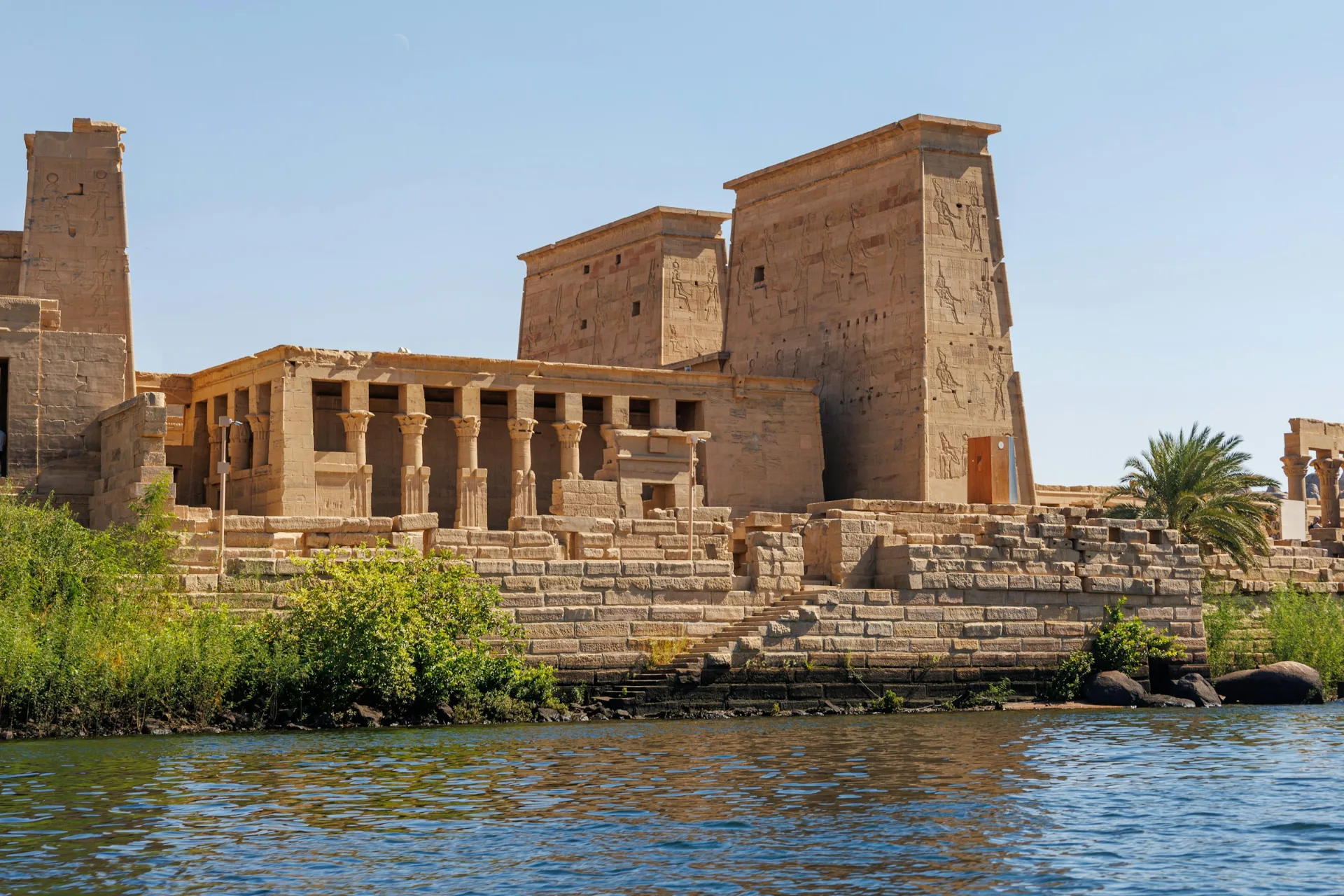
Between Luxor and Aswan, the ship stops at two remarkable temples, built when Egypt was ruled by the Ptolemies.
The Temple of Horus at Edfu is the best-preserved temple in Egypt, with its roof, pylon and sanctuary still intact. Passengers usually reach it by horse carriage from the riverbank.
Kom Ombo is a rare double temple. One half is dedicated to the crocodile god Sobek and the other to the falcon god Horus the Elder. It stands right on a bend of the river and looks spectacular when lit up in the evening. Next to it, a small museum displays mummified crocodiles.
On some itineraries, ships pass through the lock at Esna, an unforgettable moment as the vessel rises or falls between the two levels of the river.
Aswan feels different from Luxor: slower, sunnier and shaped by Nubian culture. Highlights include:
Philae Temple, the island sanctuary of Isis, reached by motorboat.
The Aswan High Dam, which created Lake Nasser.
The Unfinished Obelisk, still lying in its ancient granite quarry.
A felucca sail around Elephantine Island and the Botanical Gardens.
A visit to a Nubian village, with its brightly painted houses.
From Aswan, many travellers add an excursion to the colossal Abu Simbel Temples, about 280 km to the south.
Between visits, the ship becomes your floating hotel. While facilities vary from ship to ship, a typical Nile cruise offers:
Comfortable cabins with river views, so the scenery passes right outside your window.
A sun deck with a swimming pool, perfect for afternoon sailing.
Full-board dining, often with buffet meals that mix Egyptian and international dishes.
Evening entertainment, such as a galabeya party or a folkloric show on some sailings.
Afternoon tea on deck while the ship sails past villages, sugar cane fields and desert cliffs.
For travellers looking for extra space and service, our Deluxe and Luxury collections feature some of the most elegant ships on the river.
October to April: the most popular season, with warm, sunny days and cool evenings. December and January are the busiest months.
May to September: temperatures in Luxor and Aswan often rise above 40°C. Sightseeing starts very early in the morning, and prices are often lower.
Whatever the season, the river breeze makes the time on deck pleasant, and the sunsets are spectacular all year round.
Pick your direction. Choose Luxor to Aswan if you want more time in Luxor, or Aswan to Luxor for a shorter cruise.
Choose your style. Our ships are grouped into Standard, Deluxe and Luxury categories, so you can match comfort to budget.
Check what is included. Look at the meals, guided visits and entrance fees in each programme.
Think about the cabin. Higher decks usually offer better views, and some ships have suites with private balconies.
Combine it with Cairo. A cruise plus two or three nights in Cairo gives you the complete picture of ancient Egypt.
Life on a Nile cruise follows the gentle rhythm of the river. Most days begin with an early excursion, when the temples are cool and quiet, so you are back on board in time for lunch as the ship sets sail.
Afternoons are for relaxing: watch the villages, palm groves and water buffalo slip by from the sun deck, take a dip in the pool if your ship has one, or enjoy afternoon tea with a view. Sunset on the Nile is a daily highlight, when the river turns gold and the call to prayer drifts across the water.
In the evening, dinner is served in the restaurant, and many ships organise themed nights such as an Egyptian evening, where guests are invited to dress in a traditional galabeya.
Egyptista offers Nile cruises in three categories, so you can choose the style that suits you best:
Standard: comfortable ships with everything you need, ideal for travellers who want great value and spend most of the day exploring.
Deluxe: larger cabins, elegant public areas and a more refined dining experience.
Luxury: boutique ships and suites with premium service, ideal for a special occasion.
Whichever category you choose, the itinerary and the temples you visit are the highlight of the journey.
Golden hour: the first and last hour of daylight give the warmest light on the riverbanks.
The Esna lock: a fascinating moment as the ship is raised or lowered to continue its journey.
Temple details: look up at the painted ceilings and carved columns, where colours often survive.
Felucca sails in Aswan: white sails against granite rocks and golden dunes make one of Egypt’s most beautiful scenes.
Light clothes for the day, a smart-casual outfit for dinner, a hat, sunglasses, sunscreen and comfortable walking shoes are all you need. A light jacket is useful for evenings on deck in winter. See our FAQs for more tips.
Ready to sail? These are the cruises and tours from Egyptista that bring this guide to life:
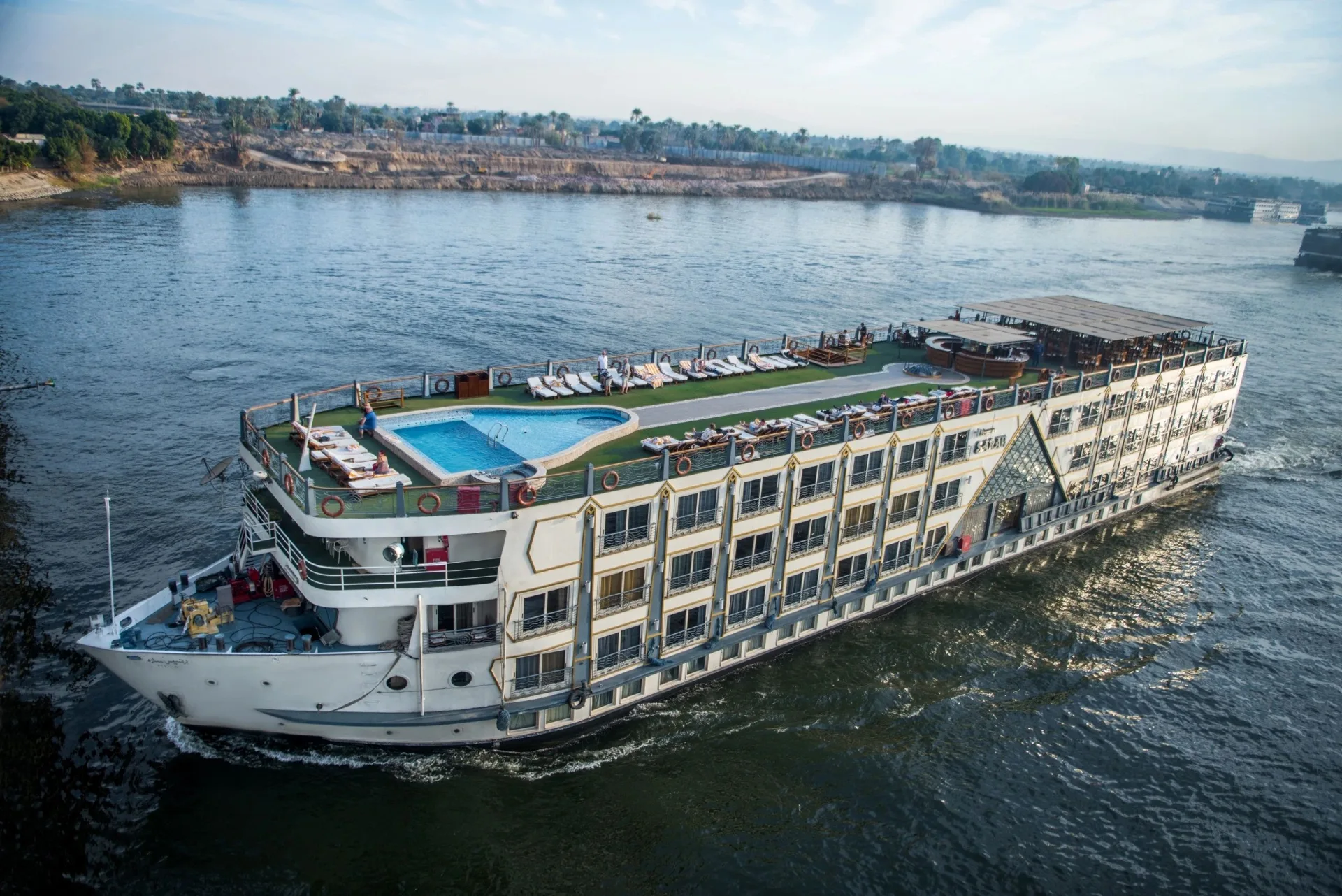
Princess Sarah Nile Cruise: a comfortable way to sail between Luxor and Aswan. Discover this cruise →
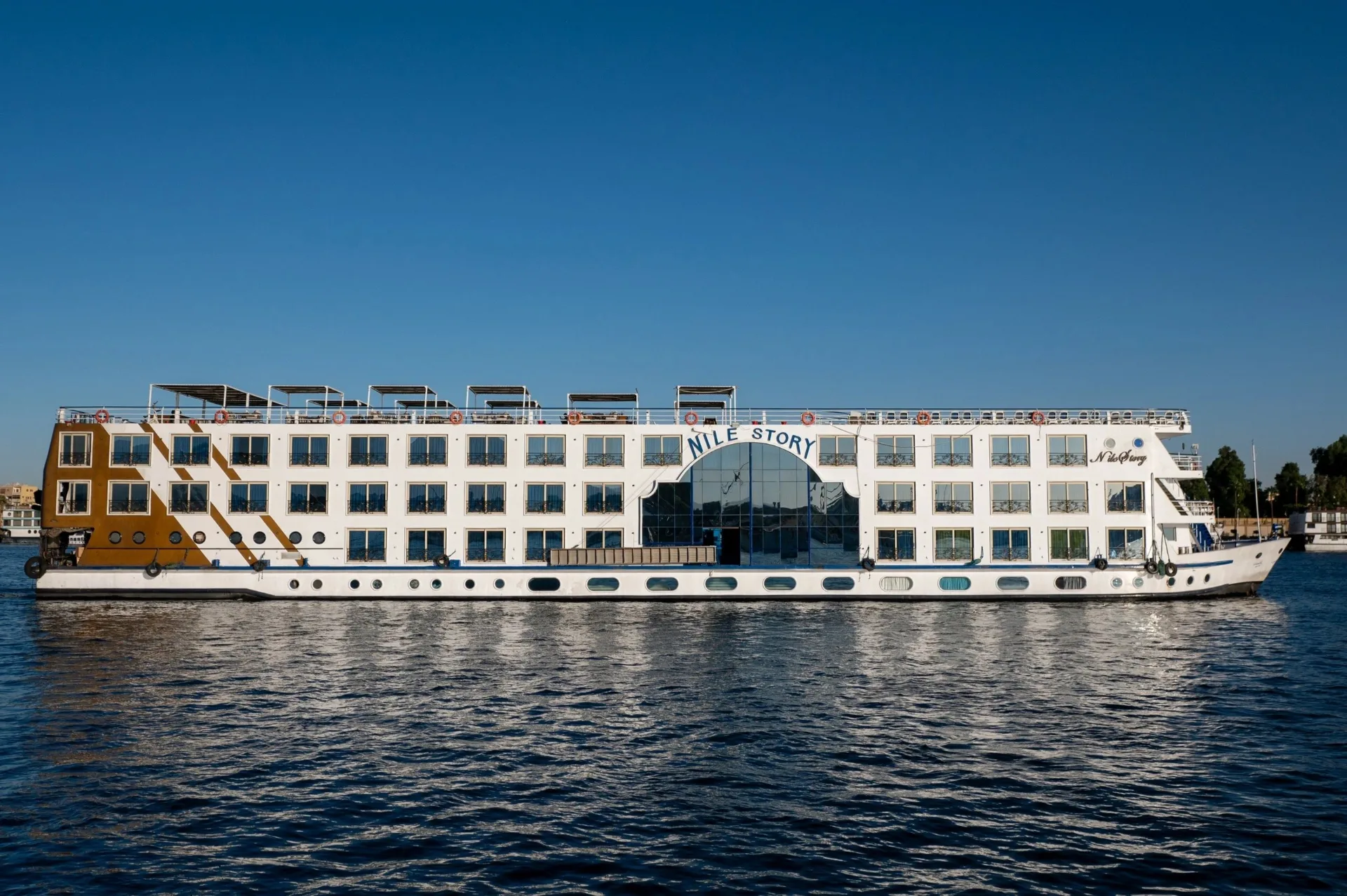
Nile Story Nile Cruise: relaxed days on deck between temple visits. Discover this cruise →
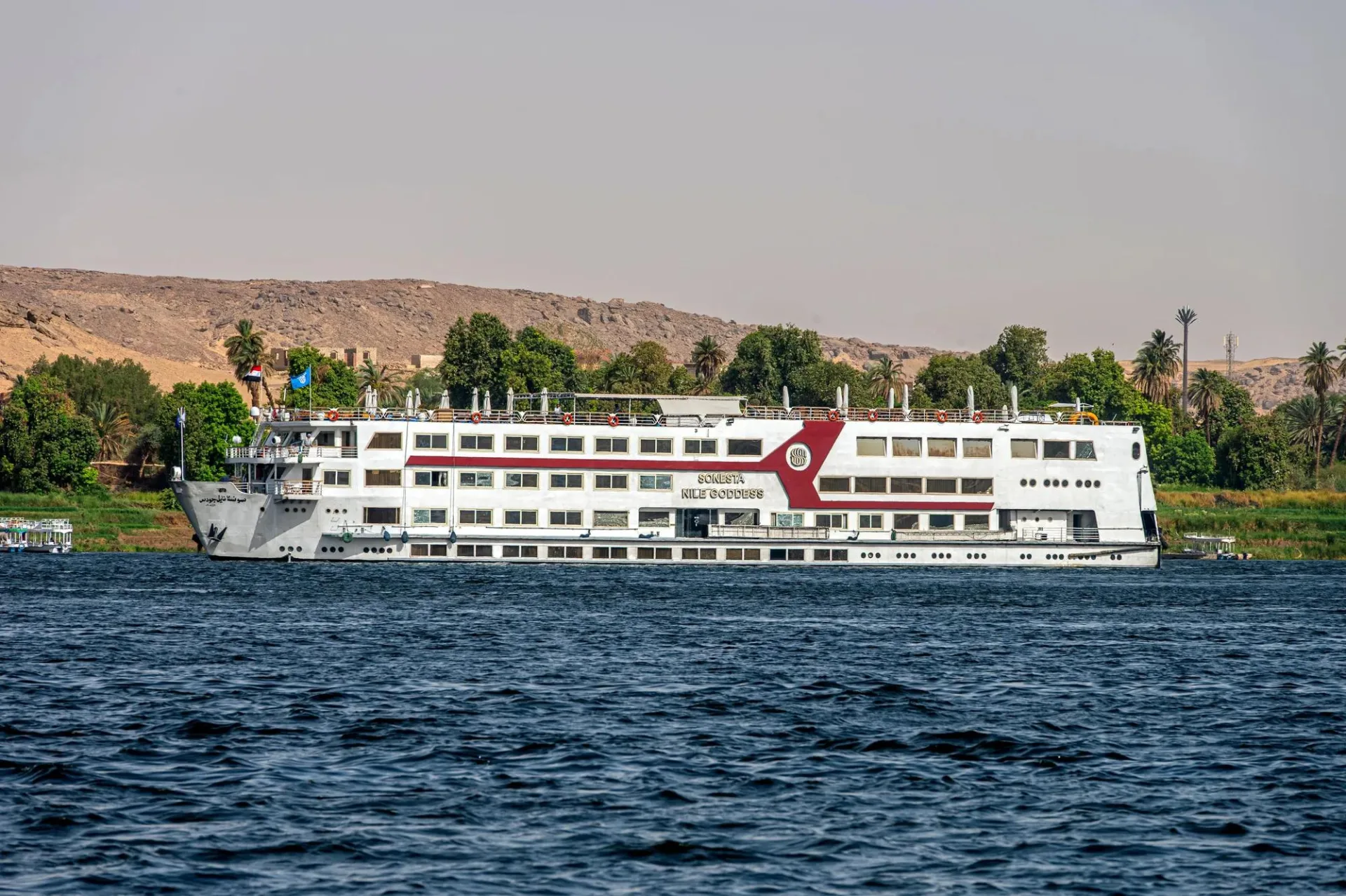
Nile Goddess Nile Cruise: a classic Luxor–Aswan voyage. Discover this cruise →
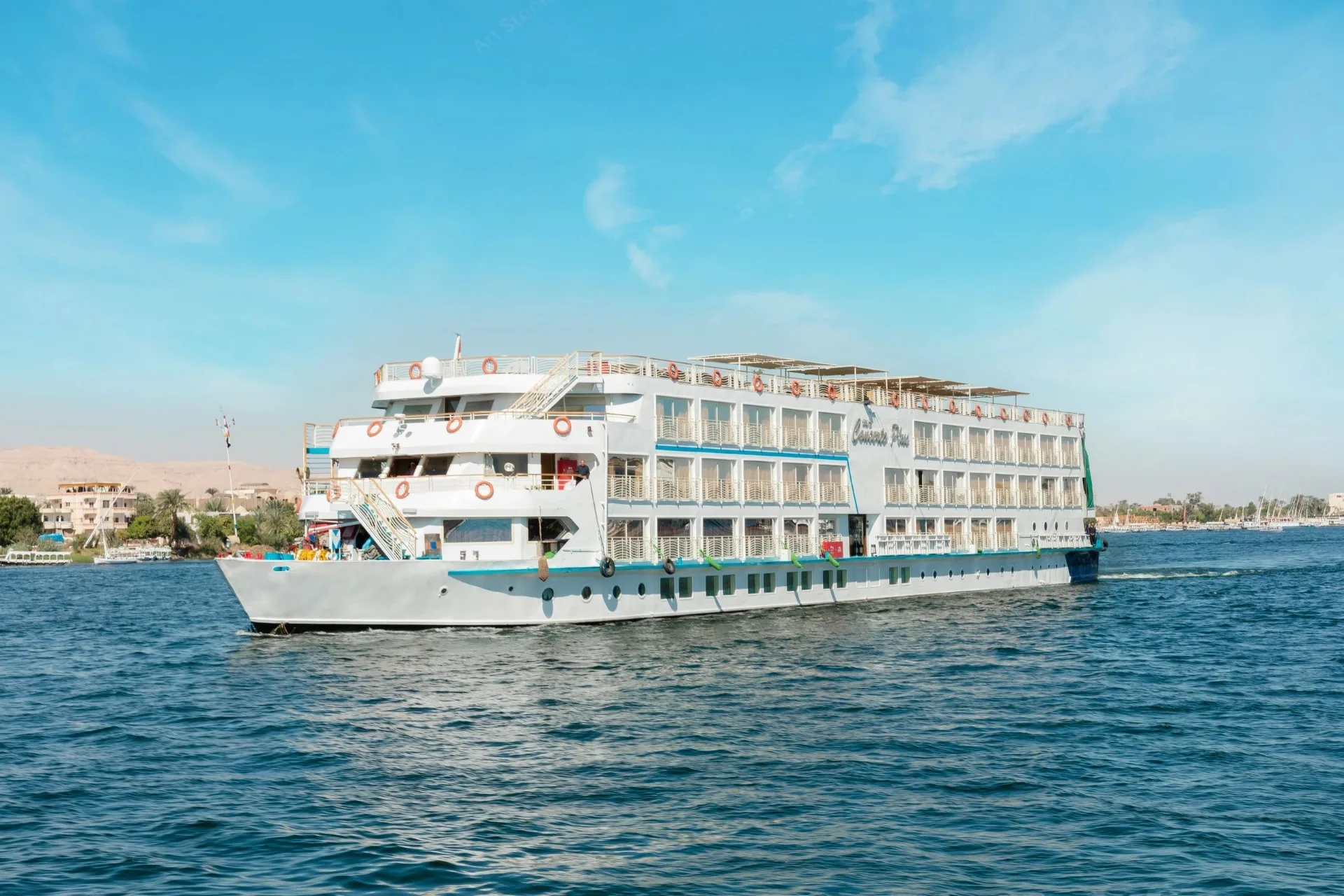
Concerto Plus Nile Cruise: sail past palm groves and desert cliffs in comfort. Discover this cruise →
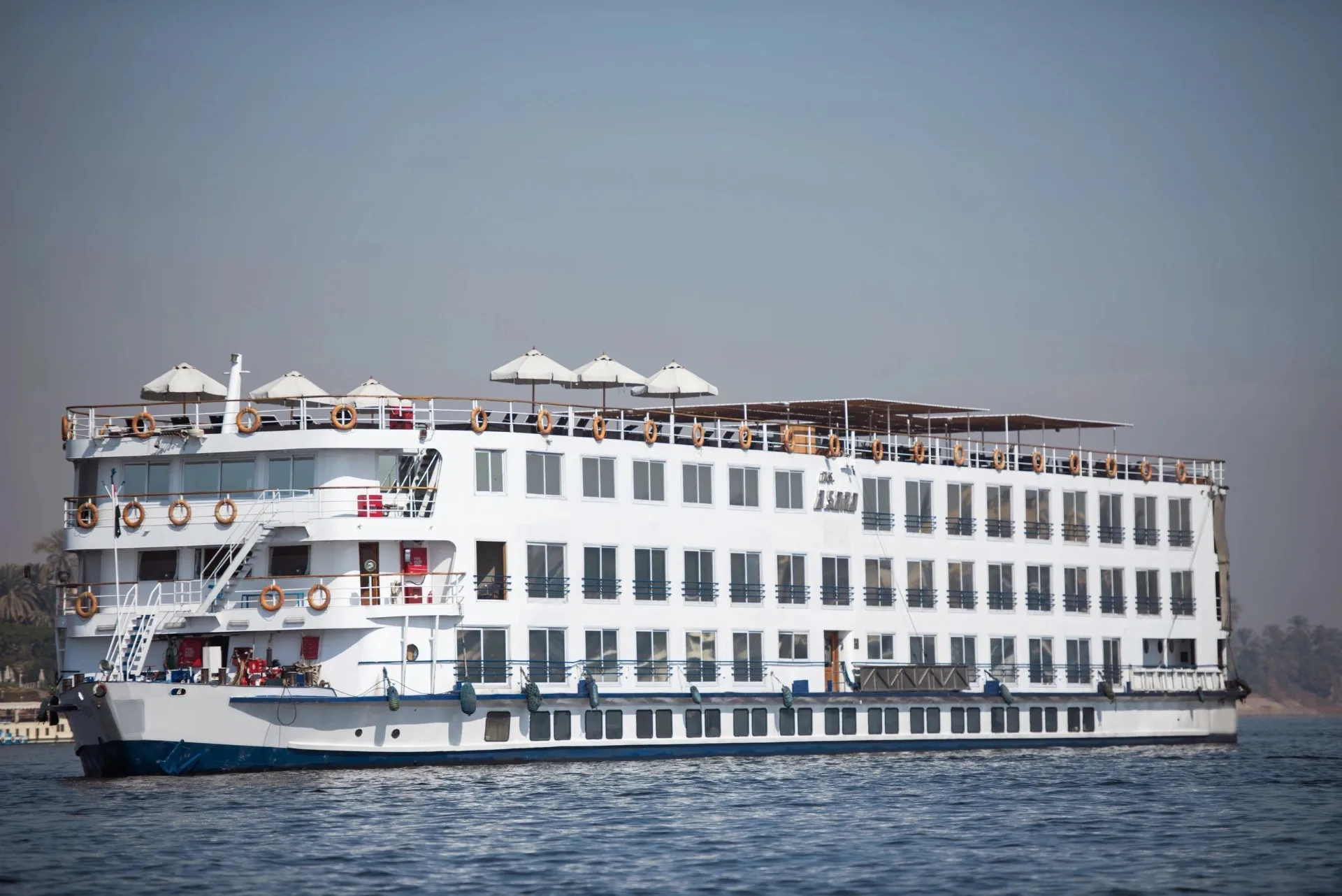
A Sara Nile Cruise: great value for your first Nile journey. Discover this cruise →
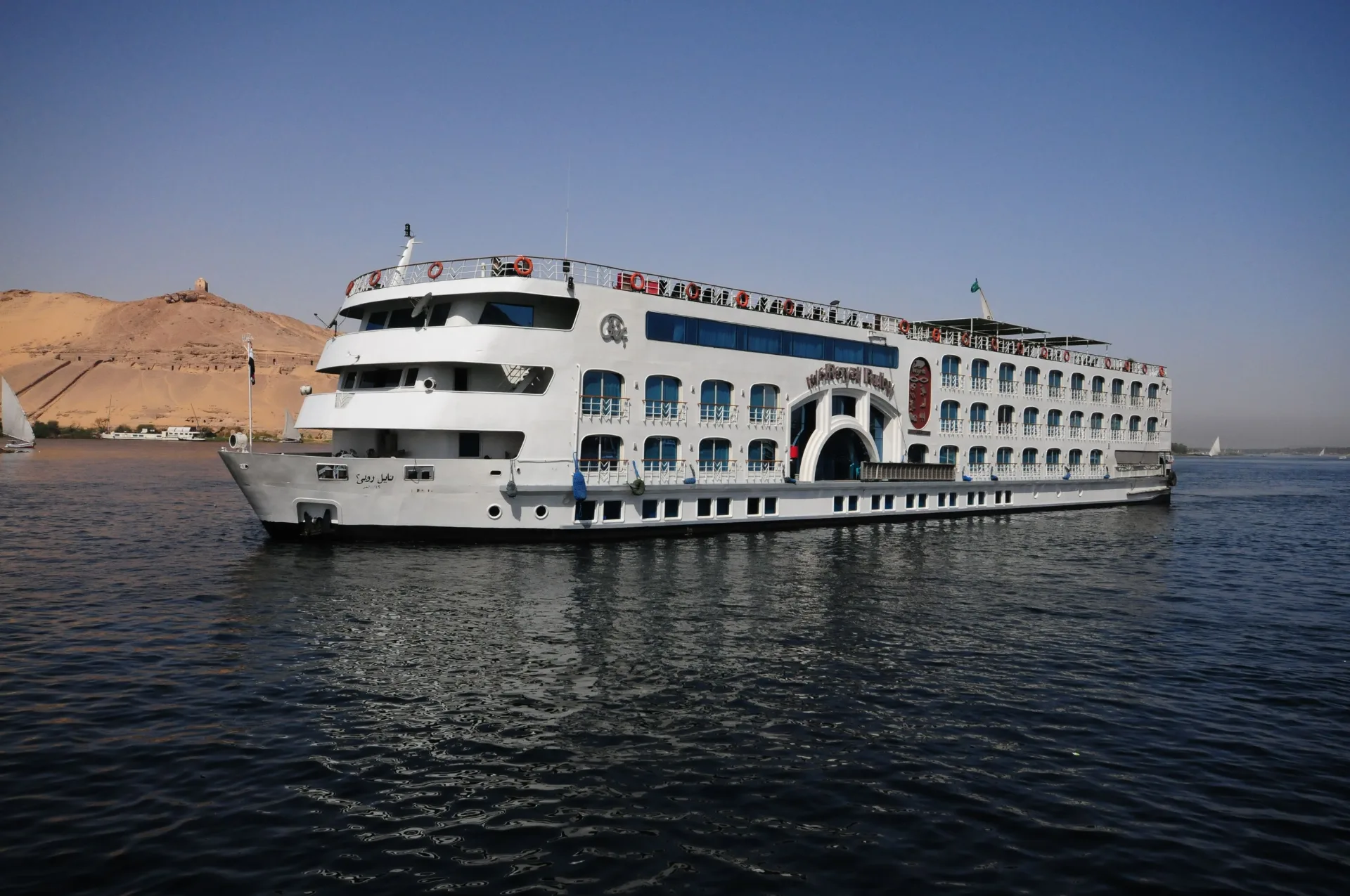
Royal Ruby Nile Cruise: another fine way to discover Luxor and Aswan by river. Discover this cruise →

Round-the-clock 24/7 support from expert local guides and a professional customer care team, before and throughout your trip.


Copyright © 2026 Egyptista