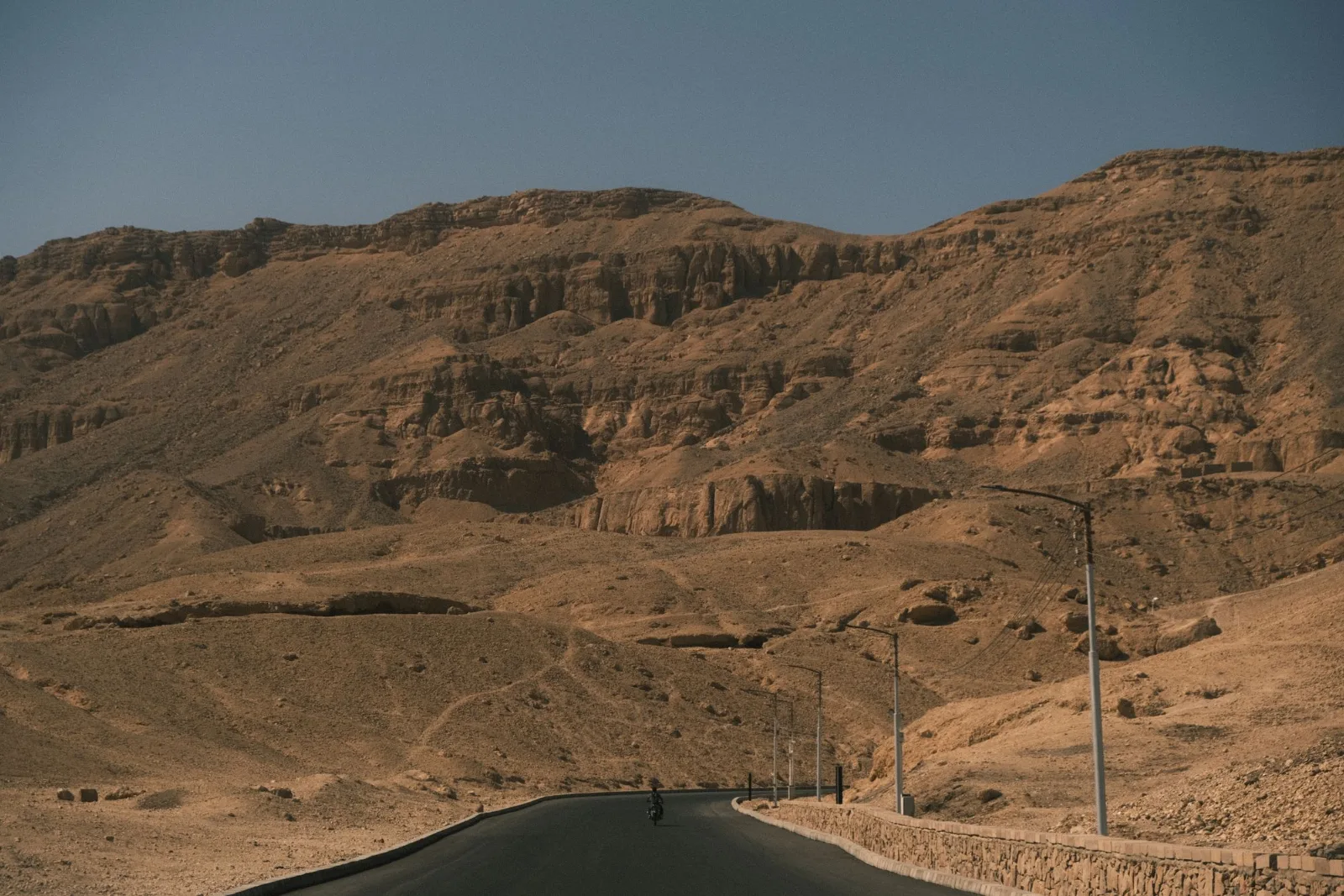
After the age of the pyramids, Egypt’s kings stopped advertising their tombs. From around 1539 BC, the pharaohs of the New Kingdom chose a dry, winding valley behind the cliffs of western Thebes, modern Luxor. Here they cut long corridors deep into the rock and covered the walls with guides to the underworld.
Above the valley rises el-Qurn, a natural peak shaped like a pyramid. Many scholars believe it was part of the attraction: every king buried here lay beneath a pyramid made by nature itself.
Today the Valley of the Kings is part of the UNESCO World Heritage Site of Ancient Thebes with its Necropolis. This guide explains how the valley worked, which tombs stand out and how to plan your visit.
The valley served as the royal cemetery for roughly five centuries, from the early Eighteenth Dynasty to the end of the Twentieth Dynasty, around 1075 BC. Thutmose I is often named as the first king to be buried here. The last royal tomb, KV4, was cut for Ramesses XI but probably never used.
Archaeologists have numbered more than 60 tombs and pits, from simple shafts to vast royal sepulchres. Each is labelled “KV” (Kings’ Valley) with a number, in roughly the order of discovery.
The tombs were cut and decorated by an elite community of craftsmen who lived in the village now called Deir el-Medina, just over the hill. Despite the valley’s isolation, almost every tomb was robbed in antiquity.
Around 1000 BC, priests gathered many royal mummies and reburied them in secret caches to protect them. Two of these caches, rediscovered in 1881 and 1898, returned dozens of kings to history.
A typical royal tomb is a long, sloping corridor broken by stairways, halls and pillared chambers. It ends in a burial chamber where the sarcophagus once stood.
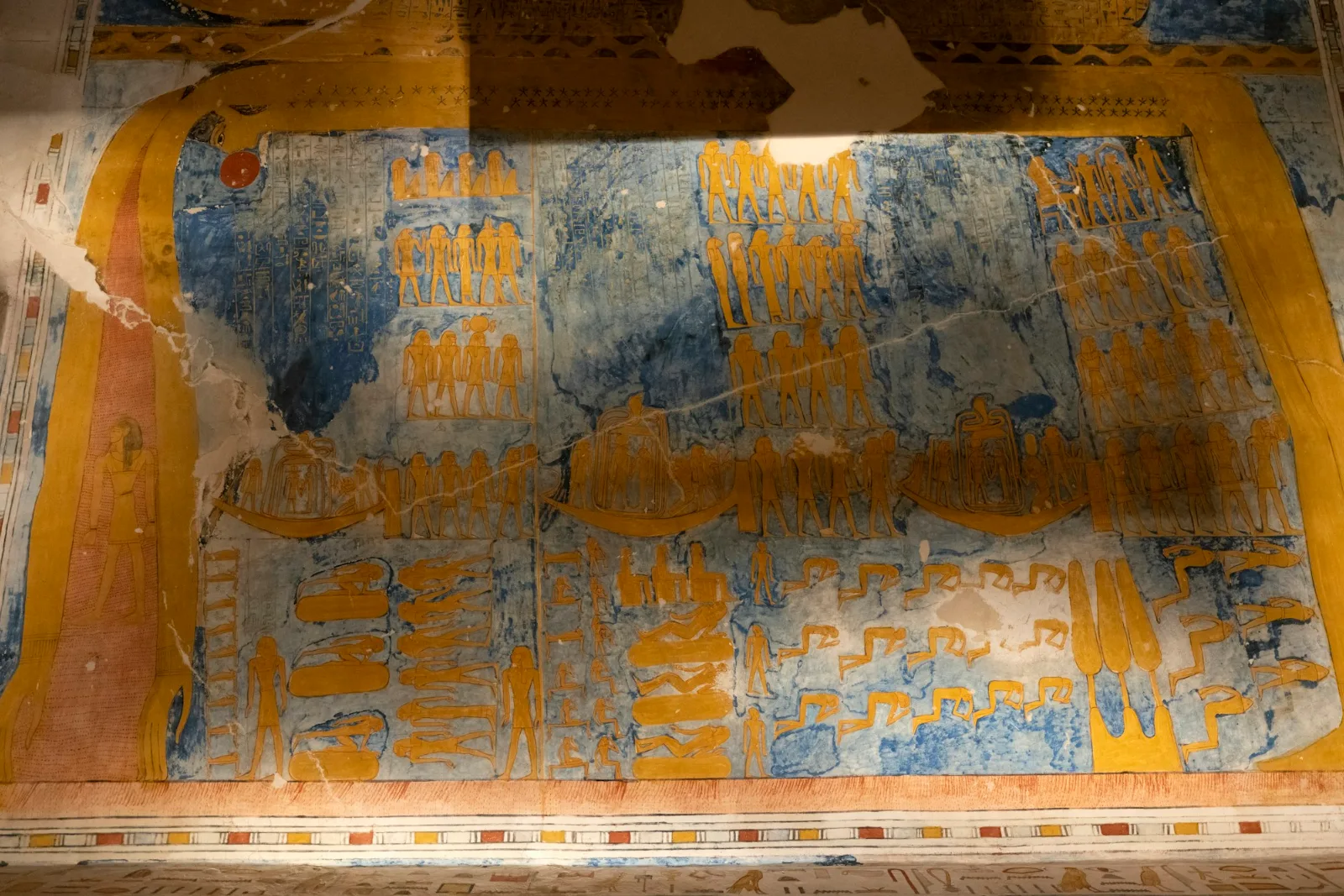
The walls carry illustrated funerary books such as the Amduat, the Book of Gates and the Litany of Ra. They describe the sun god’s nightly voyage through the underworld, a journey the dead king hoped to share.
Tutankhamun (KV62): Small and quickly decorated, but world-famous. The young king’s mummy still rests here.
Seti I (KV17): The longest tomb in the valley, at about 137 metres, with some of the finest painted reliefs in Egypt.
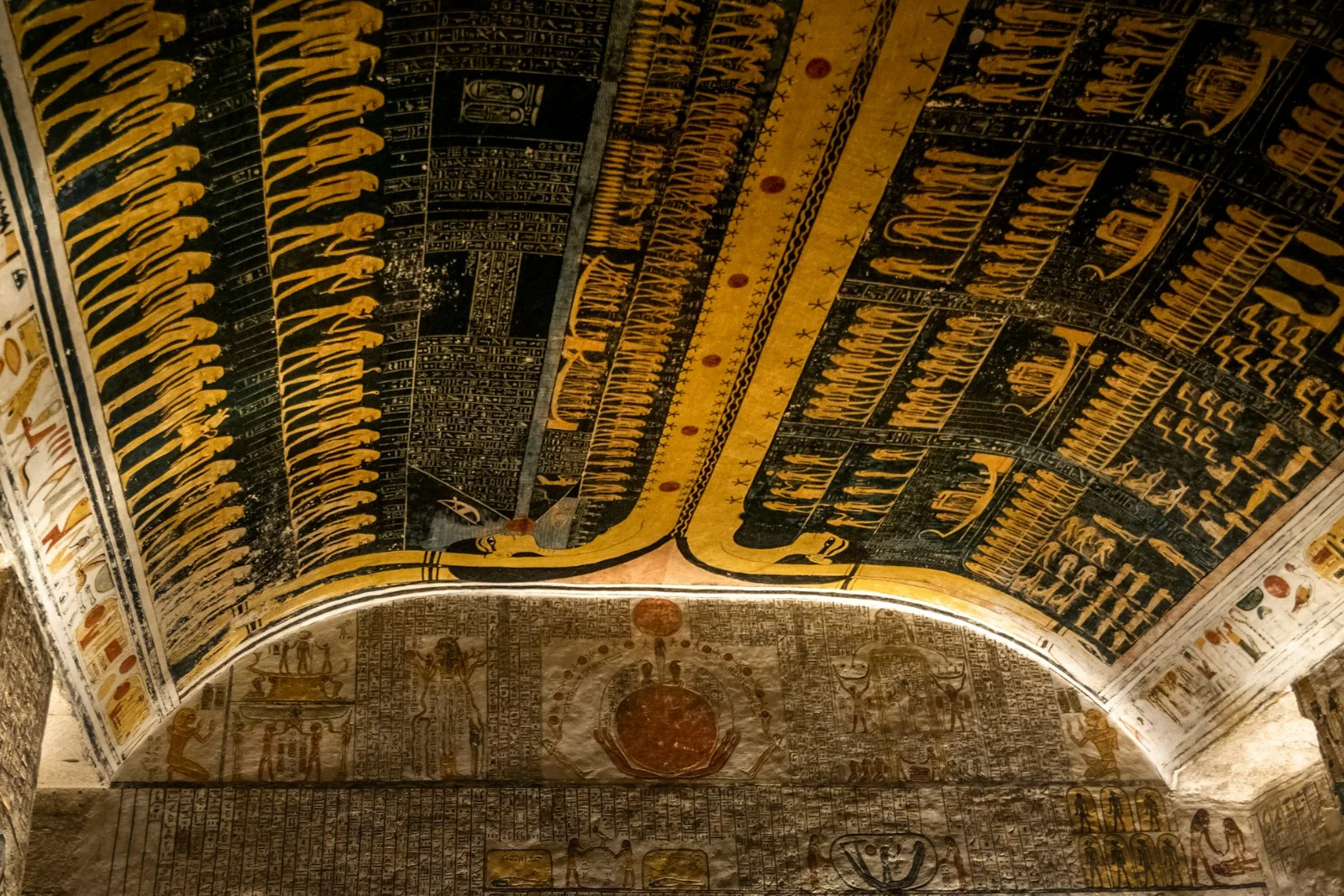
Ramesses V and VI (KV9): Renowned for its spectacular astronomical ceiling.
Ramesses III (KV11): Known for its unusual side chambers, including a scene of harpists.
Thutmose III (KV34): Reached by a steep staircase in a cleft of the cliff, with walls painted like an unrolled papyrus.
The discovery of the century. Howard Carter found the steps of Tutankhamun’s tomb on 4 November 1922, after years of searching funded by Lord Carnarvon. The tomb held more than 5,000 objects, now displayed at the Grand Egyptian Museum.
A tomb for many sons. KV5, rediscovered and explored by archaeologist Kent Weeks from 1995, has more than 120 corridors and chambers. It was built for sons of Ramesses II.
Unfinished on purpose? Decoration often stops abruptly, because work continued only until the king died. A short reign meant a short tomb.
A strike in the valley. Records from Deir el-Medina describe the first documented labour strike in history, when the tomb-builders’ rations were delayed under Ramesses III.
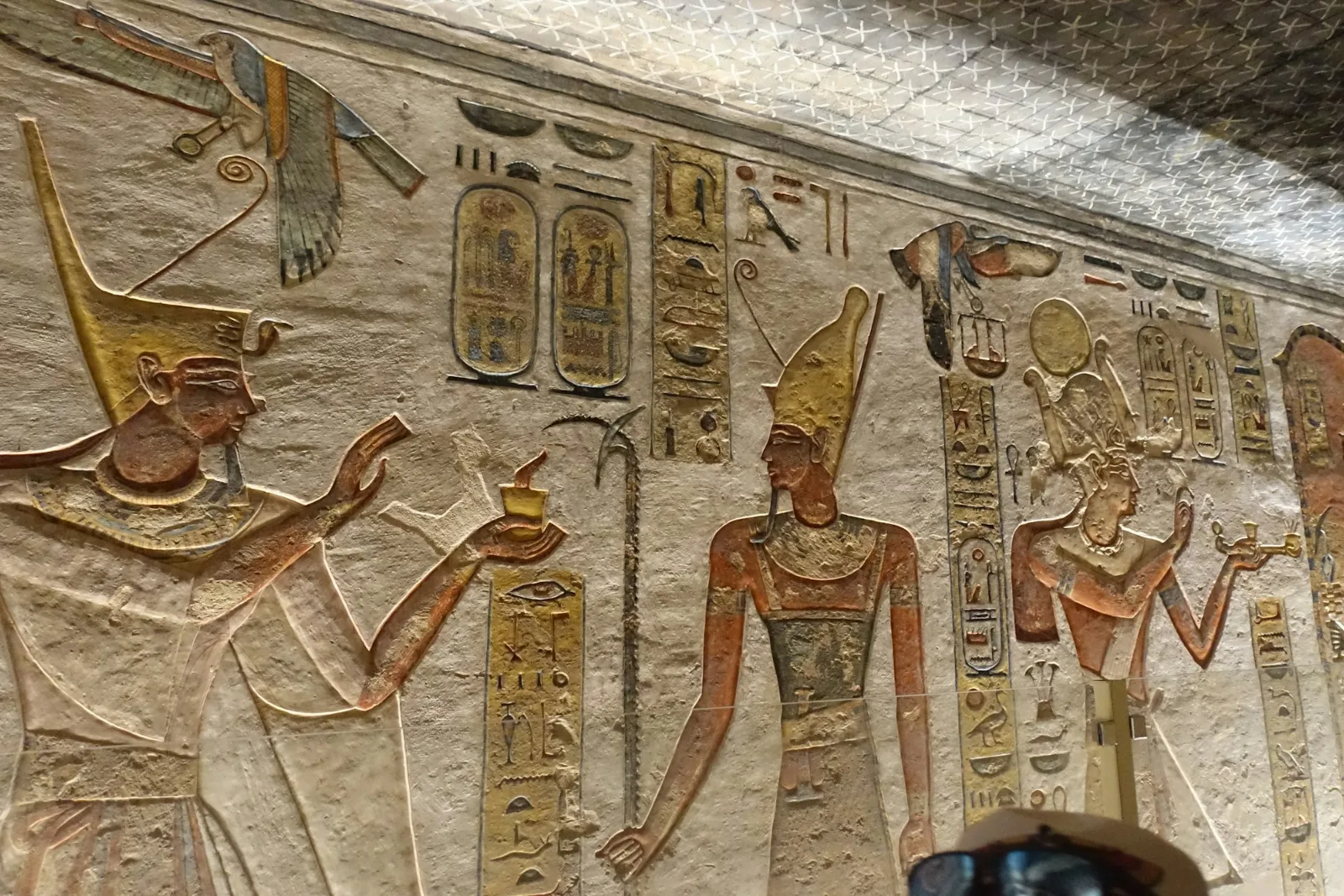
Choose your three tombs wisely. The standard ticket covers three of the tombs open that day. Ask your guide which are open, as they rotate for conservation.
Add a special tomb. Tutankhamun, Seti I and Ramesses V and VI require their own extra tickets.
Ride the electric tram from the visitor centre to the tomb entrances, especially in the heat.
Visit the visitor centre model of Tutankhamun’s tomb to understand the valley’s layout before you go underground.
Pair it with the West Bank highlights: the Temple of Hatshepsut, Medinet Habu, Deir el-Medina and the Colossi of Memnon.
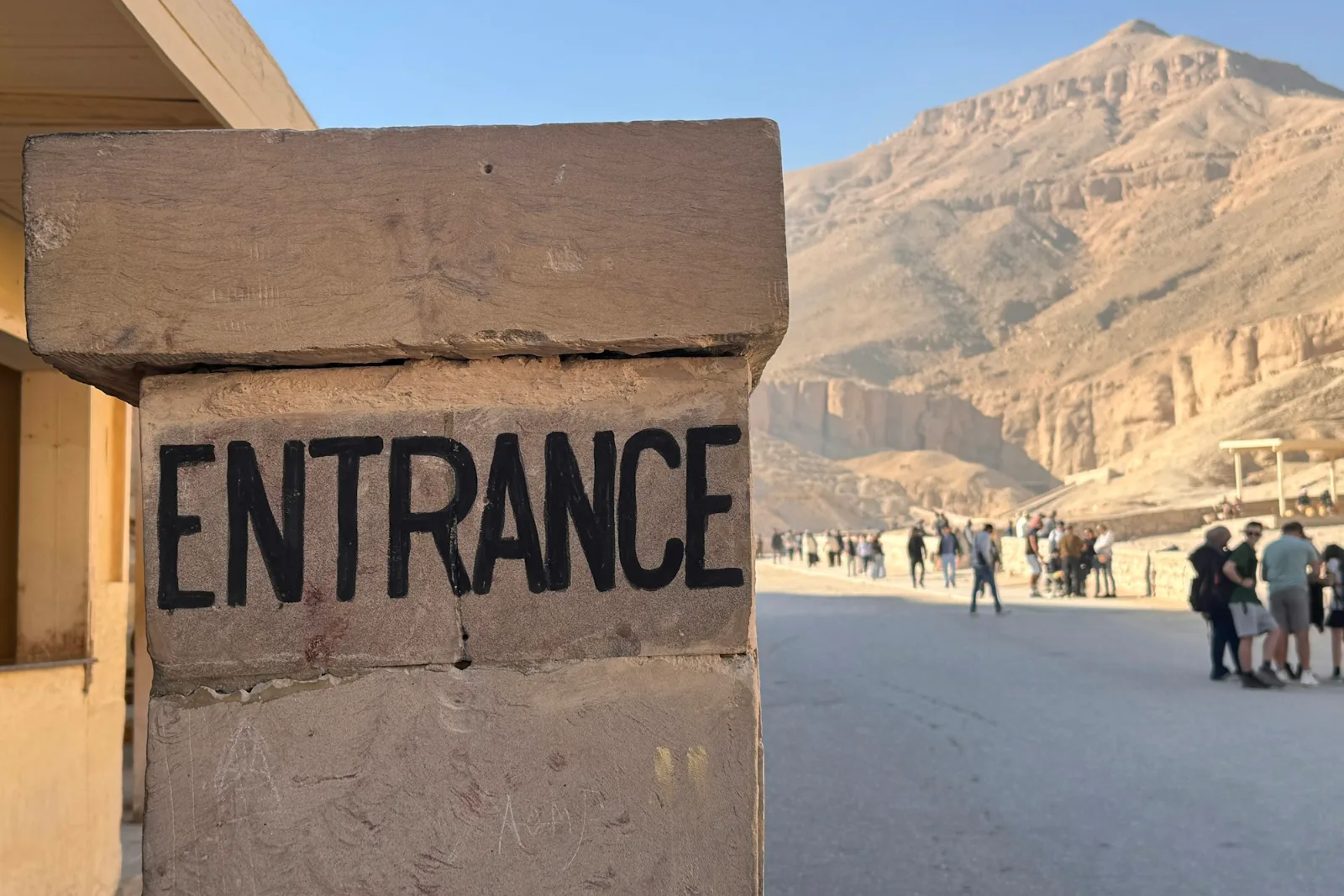
The best months are October to April. Luxor summers are extremely hot, and the valley traps the heat, so in summer visit at opening time.
Even in winter, early morning is the best time. The first hour is the quietest, and the tombs are cooler before the crowds arrive. Many visitors combine the valley with a sunrise hot air balloon flight over the West Bank.
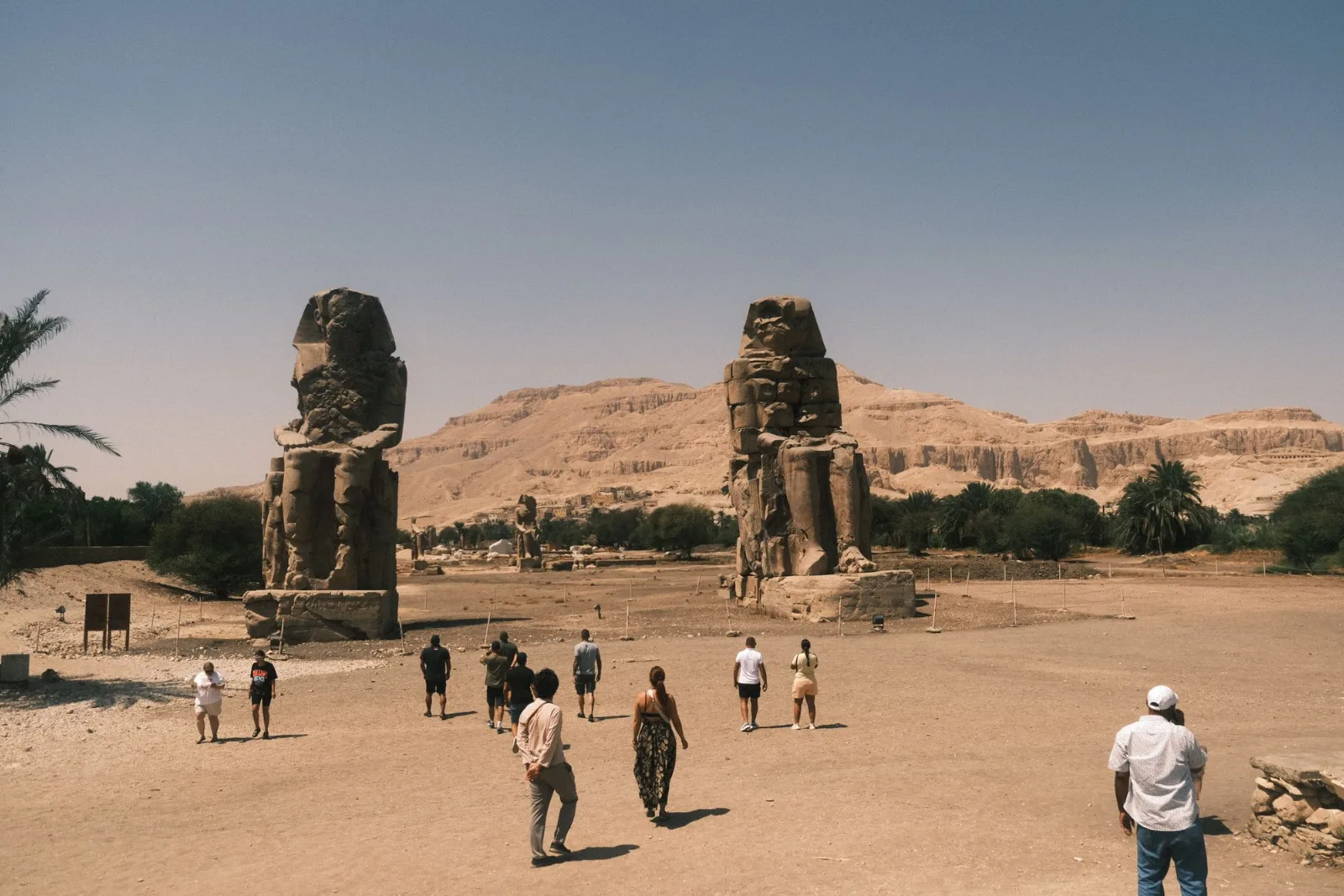
The Valley of the Kings lies on the West Bank of the Nile at Luxor, in the desert hills behind the cultivated plain.
From East Bank hotels: Cross the Nile by car over the Luxor Bridge or take the public ferry, then continue by taxi. The drive usually takes 30–45 minutes.
From a Nile cruise: Most Luxor–Aswan cruises include the valley on a guided excursion.
On the way: Your driver will pass the Colossi of Memnon, the last giant remains of Amenhotep III’s mortuary temple.
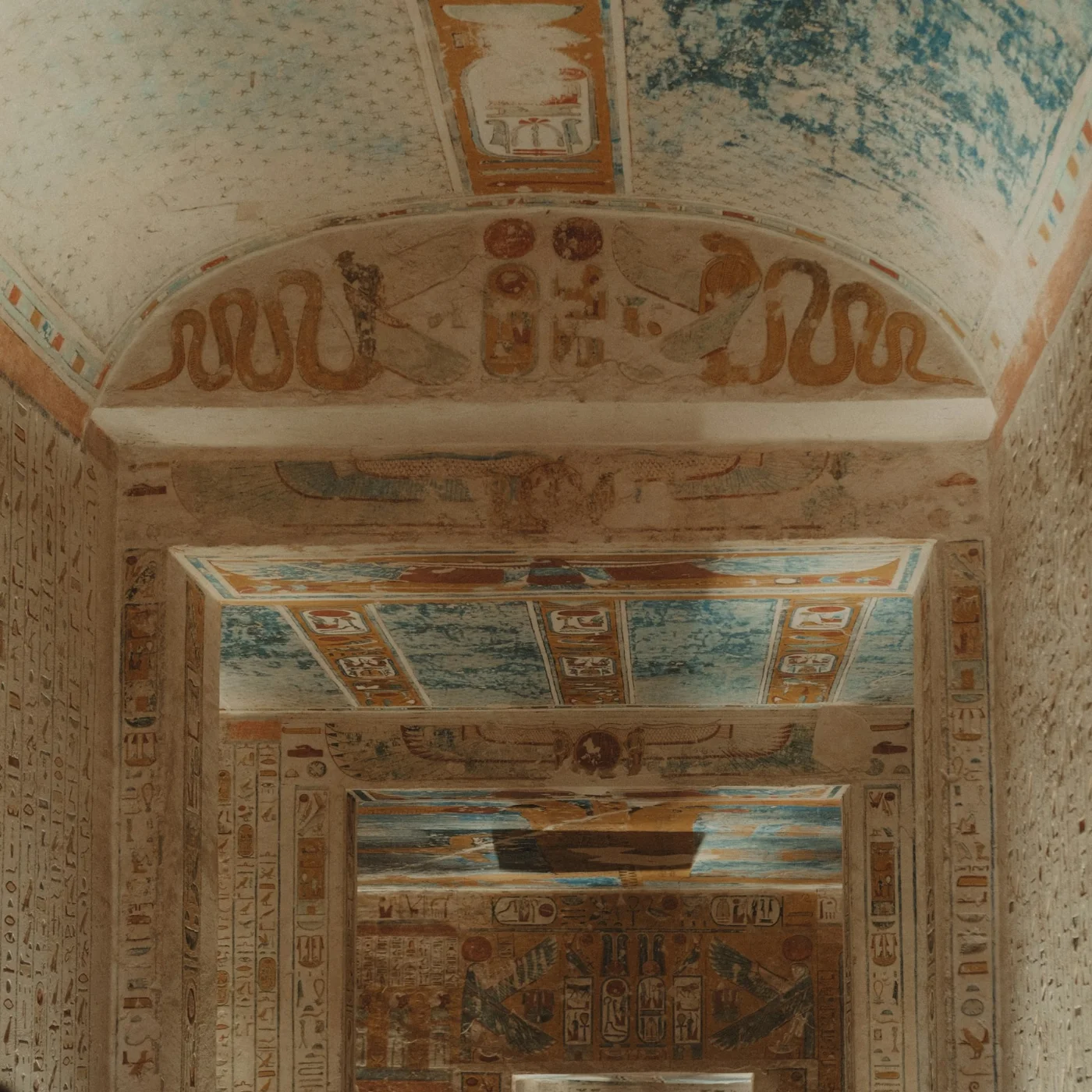
The sky goddess of Ramesses VI. In tomb KV9, the ceiling of the burial chamber is covered by the elongated body of the goddess Nut, swallowing the sun at dusk and giving birth to it at dawn. It is one of the most beautiful ceilings in Egypt.
The longest tomb. The tomb of Seti I (KV17) runs deep into the hillside and is famed for its finely carved, brightly painted reliefs.
Tutankhamun at home. In KV62, the young king’s mummy still rests in his own tomb, in the valley where he was buried more than 3,300 years ago. His treasures are displayed at the Grand Egyptian Museum.
The harpists of Ramesses III. Tomb KV11 is known for its rare painted scenes of two blind harpists, a charming glimpse of royal music.
The natural pyramid. Look up at el-Qurn, the pyramid-shaped peak that towers over the valley. Many experts believe the kings chose this place partly because of this natural pyramid.
Opening hours: Daily from 6:00 AM. Last entry is at 5:00 PM in summer and 4:00 PM in winter and Ramadan.
Main ticket (foreign visitors): EGP 750 for adults and EGP 375 for students. It covers a selection of open tombs.
Extra tickets: Tutankhamun (KV62), Seti I (KV17) and Ramesses V and VI (KV9) are sold separately.
Where to buy: At the visitor centre or online through EgyMonuments.
Prices and hours were checked on the official EgyMonuments website in November 2026. They change from time to time, so please confirm them before your visit. Photography rules inside the tombs also change, so check them at the ticket office.
Tips: Bring water, sun protection and a light scarf, as there is very little shade. Wear shoes with good grip for the stairs inside the tombs.
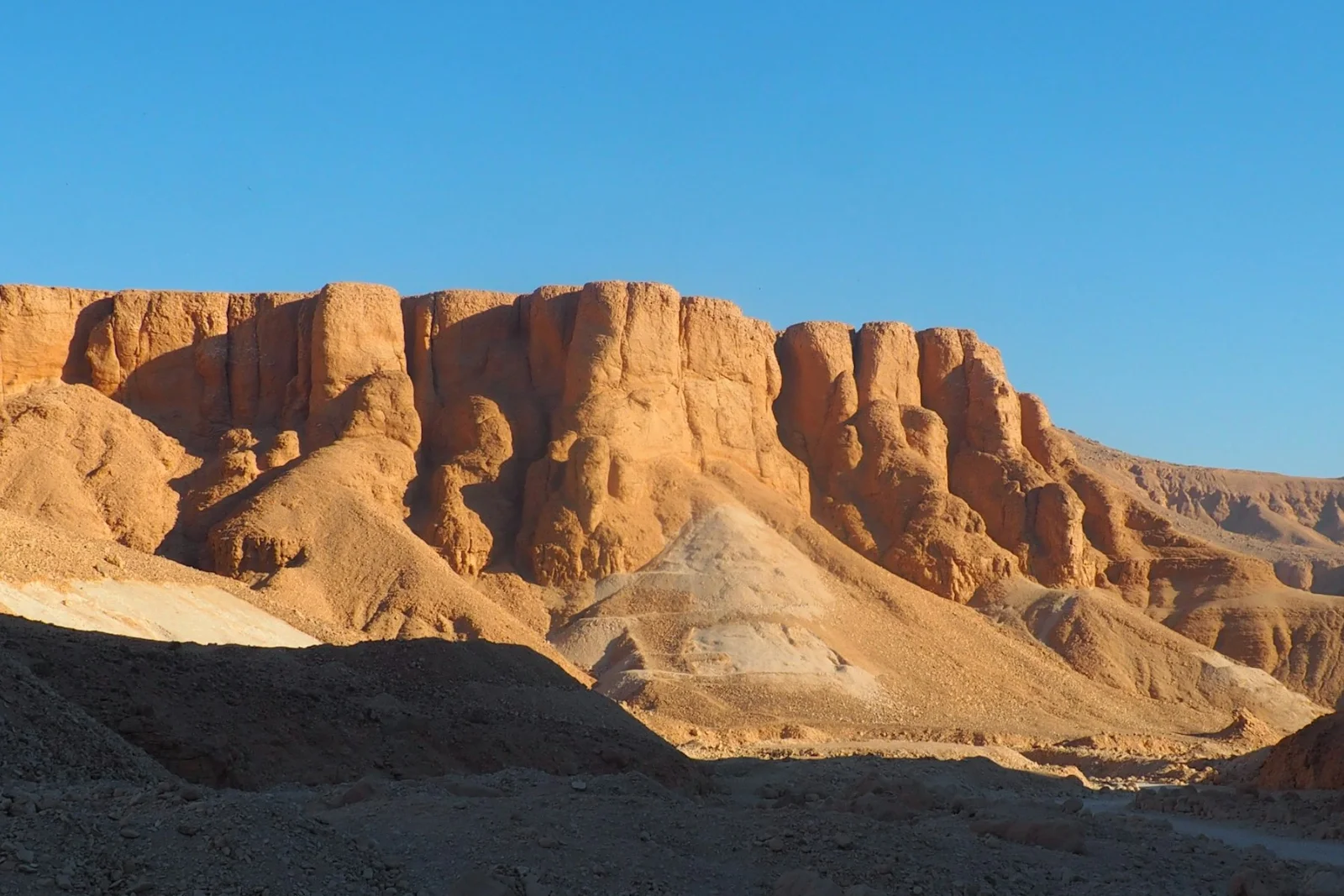
The landscape of the valley is most dramatic in the early morning, when the cliffs cast long shadows.
Inside the tombs, look for the colourful astronomical ceilings and scenes of the afterlife.
Photography rules inside the tombs can vary, so check with your guide before you enter.
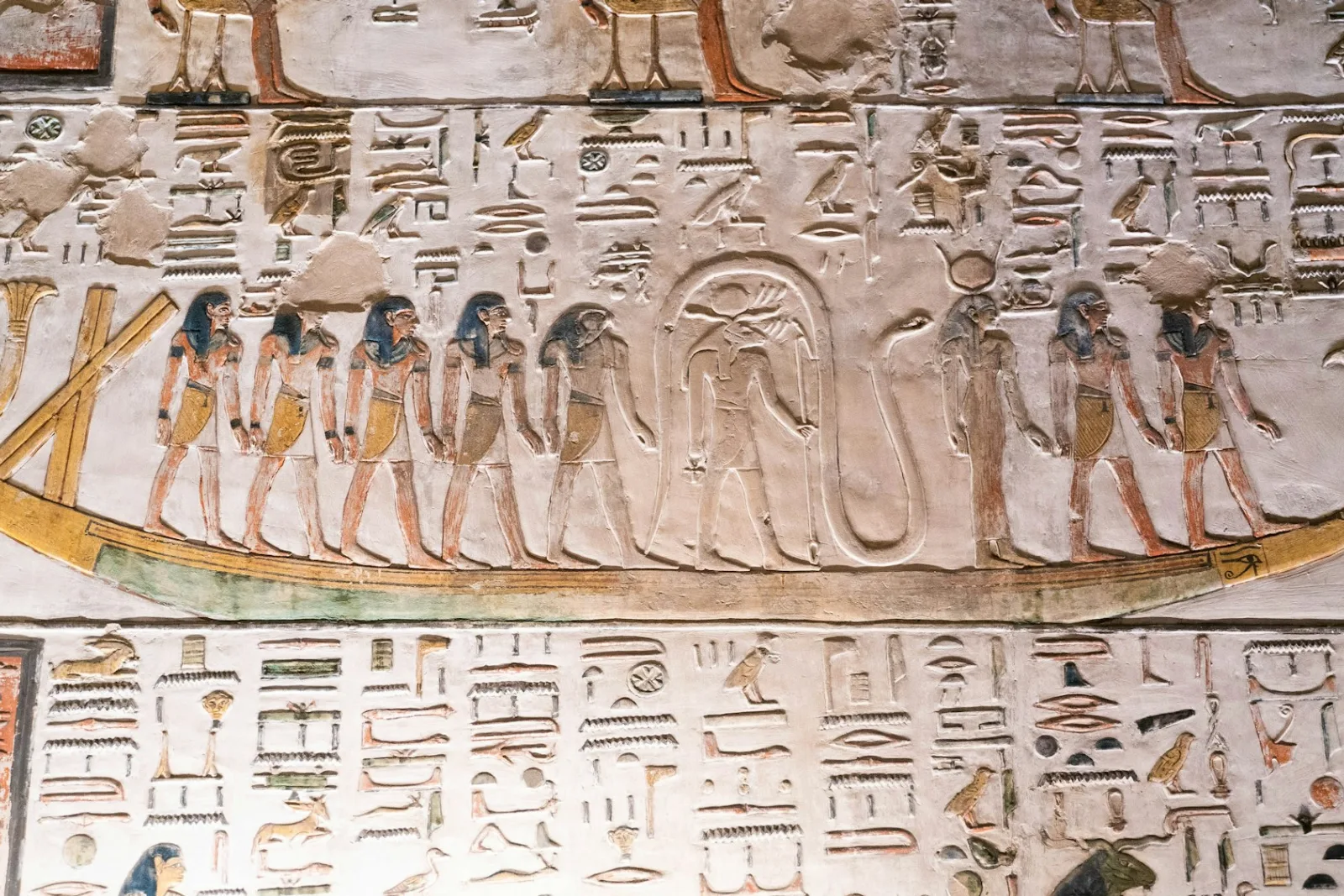
Nowhere else can you walk so far into the religious imagination of ancient Egypt. Colours applied more than 3,000 years ago still glow on the walls, showing gods, demons, serpents and solar boats in a story of death and rebirth. Standing in the burial chamber of a pharaoh is a moment most travellers never forget.
Temple of Hatshepsut: the queen’s terraced temple on the other side of the same cliffs.
Luxor Temple: the great temple on the East Bank, magical after dark.
Karnak Temple Complex: the heart of Thebes and its god Amun.
Edfu Temple: a perfectly preserved temple on the way to Aswan.

Round-the-clock 24/7 support from expert local guides and a professional customer care team, before and throughout your trip.


Copyright © 2026 Egyptista