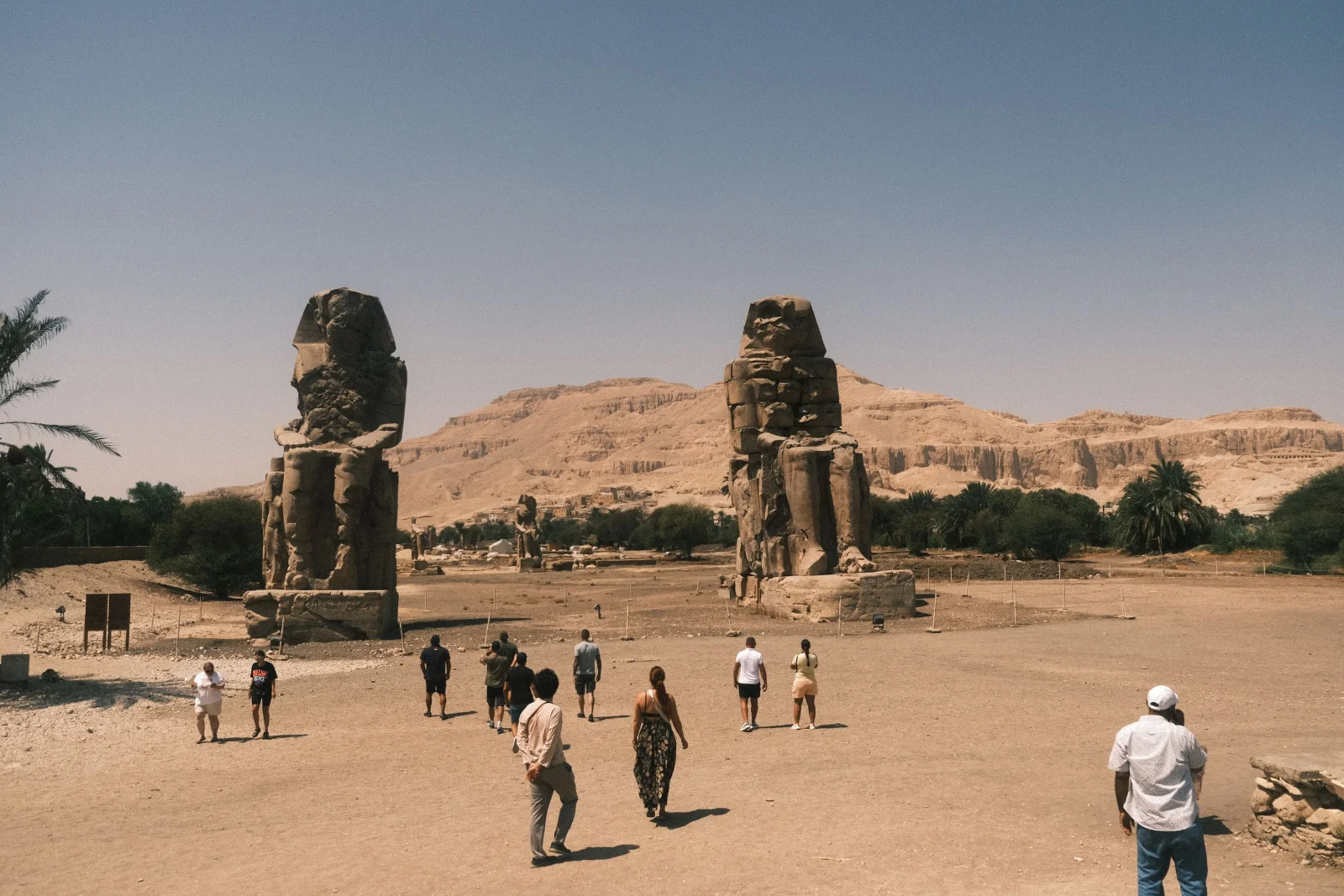
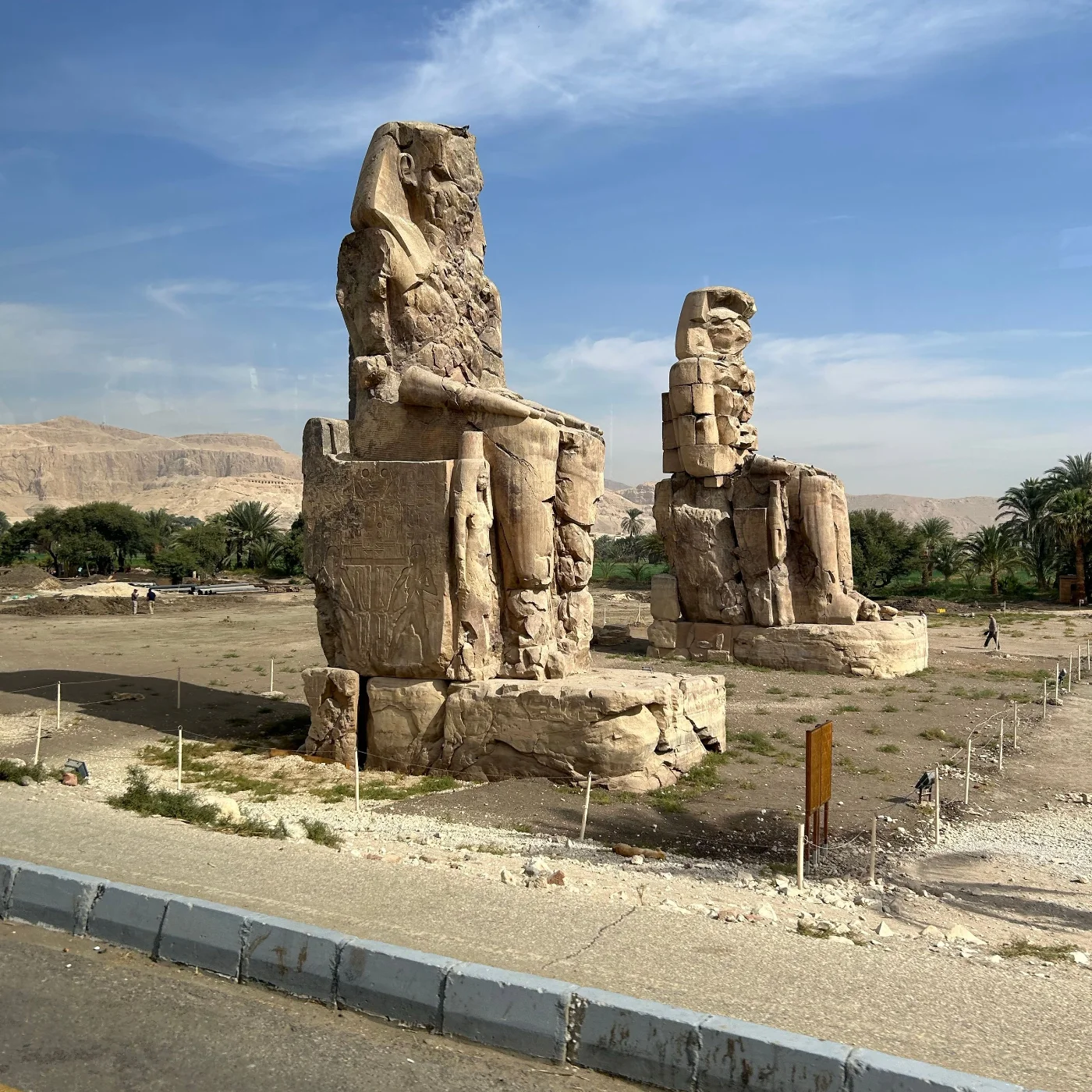
On the road from the Nile to the Valley of the Kings, two enormous seated statues rise from the green fields of Luxor’s West Bank. These are the Colossi of Memnon, carved for Pharaoh Amenhotep III around 1350 BC. Each stands about 18 metres high, and together they are often the first monument visitors see on the West Bank.
Today they stand almost alone, but they once guarded the entrance to one of the largest temples ever built in ancient Thebes.
Amenhotep III ruled Egypt at the height of the 18th Dynasty, a time of great wealth and building. The colossi stood at the gateway of his mortuary temple, a vast complex that was larger than Karnak in its day.
Because the temple was built close to the river, the annual Nile floods slowly damaged it, and later kings reused much of its stone. Archaeologists working at the site are still uncovering statues and foundations, giving a sense of how impressive it once was.
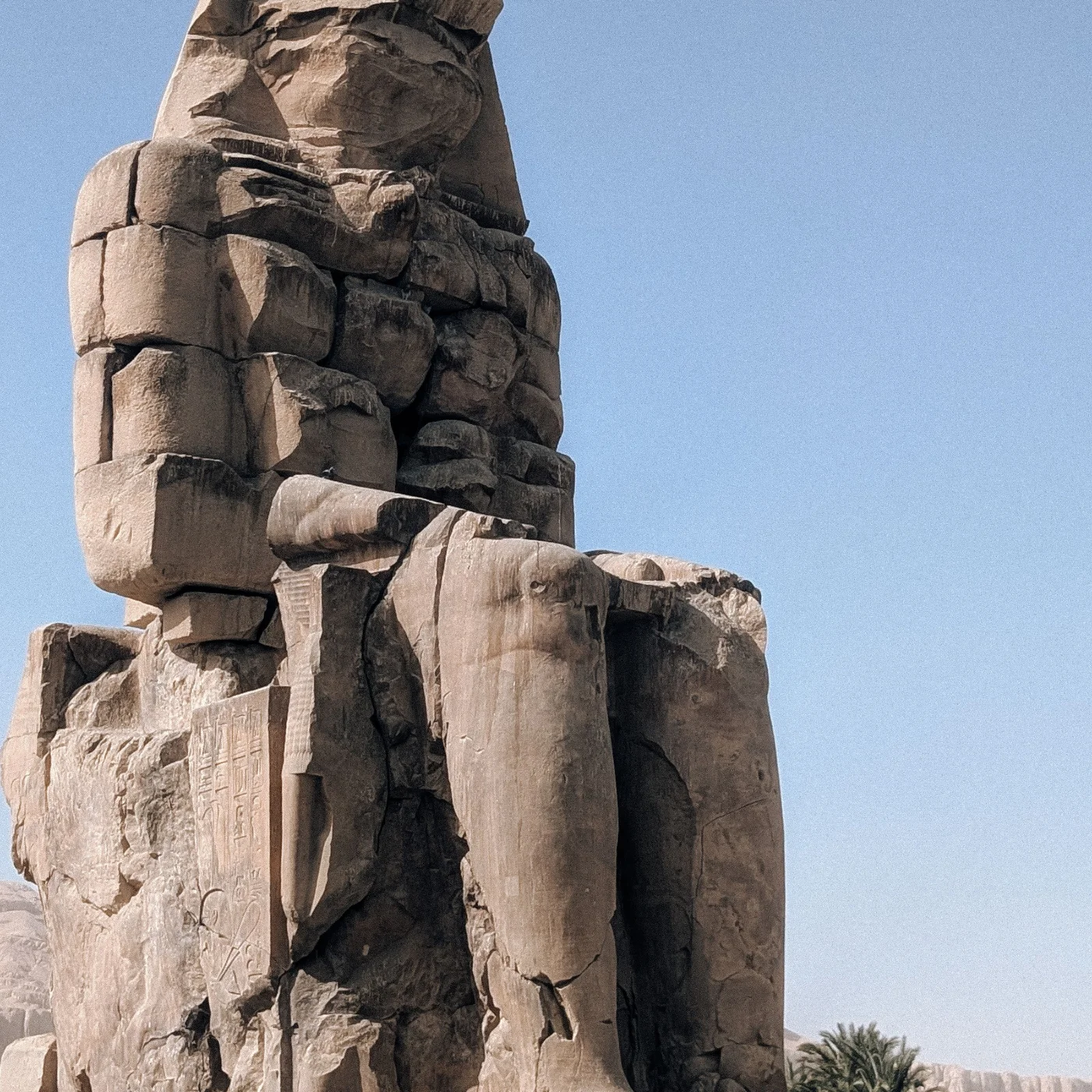
Both figures show Amenhotep III seated on a throne, hands resting on his knees. They were carved from quartzite sandstone brought from far away, a remarkable feat of transport.
Look closely at the sides of the thrones and the legs of the statues: you will find smaller figures of the king’s wife, Queen Tiye, and his mother, as well as reliefs of the Nile gods tying together the plants of Upper and Lower Egypt.
After an earthquake in 27 BC damaged the northern statue, it began to make a strange sound at dawn. Greek visitors linked the sound to Memnon, a hero of the Trojan War who greeted his mother Eos, the goddess of dawn, every morning, and that is how the statues got their name.
The "singing statue" became a famous attraction, and Roman travellers, including the emperor Hadrian in the 2nd century AD, came to hear it and left inscriptions on its legs. Later repairs to the statue silenced it for good.
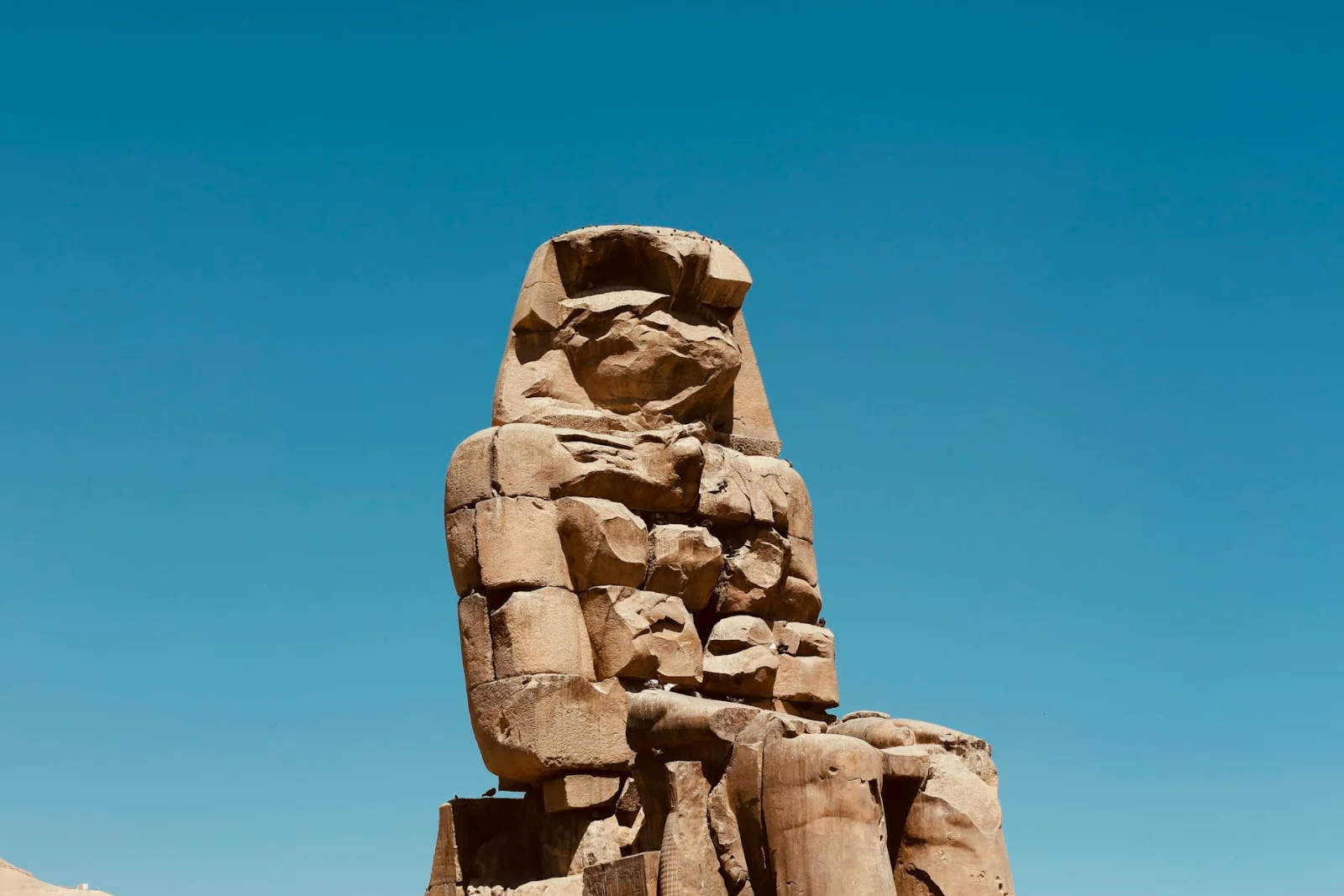
Each colossus once stood about 18 metres tall, and even today, after more than three thousand years, they remain among the largest statues of ancient Egypt.
Greek and Roman visitors carved poems and messages on the legs of the northern statue, and many can still be seen today.
Archaeologists working at the site since the late 1990s have uncovered statues, sphinxes and columns of Amenhotep III’s vast temple.
The statues face east, towards the Nile and the rising sun.
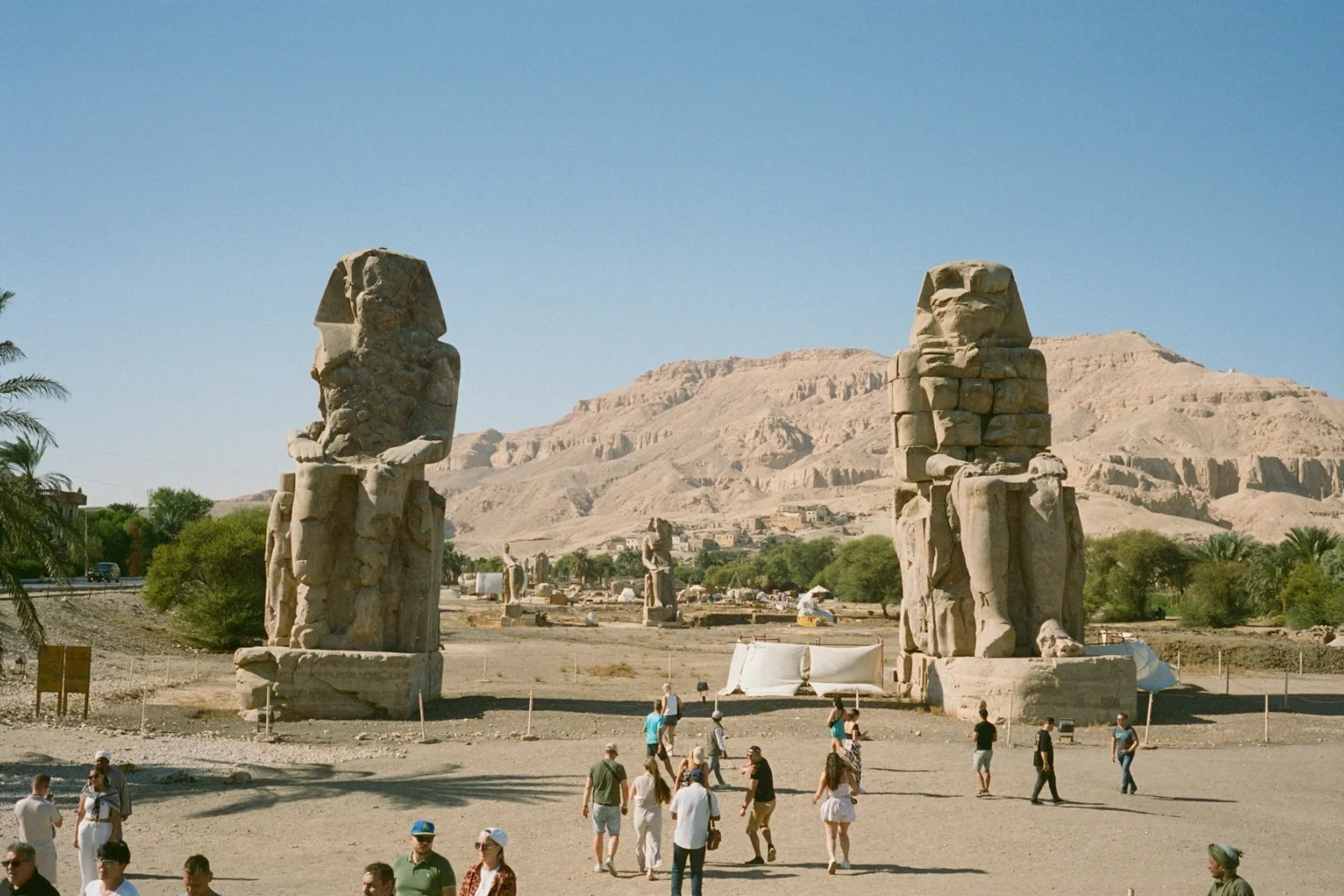
Visit in the early morning, when the light is soft and golden, often on the way to the Valley of the Kings. From October to April the temperatures are perfect for exploring the West Bank.
The colossi stand beside the main road on Luxor’s West Bank, a short drive from the Nile. They are usually the first stop on a West Bank tour, before the Valley of the Kings and the Temple of Hatshepsut, and are easy to reach from Luxor’s hotels and cruise ships.
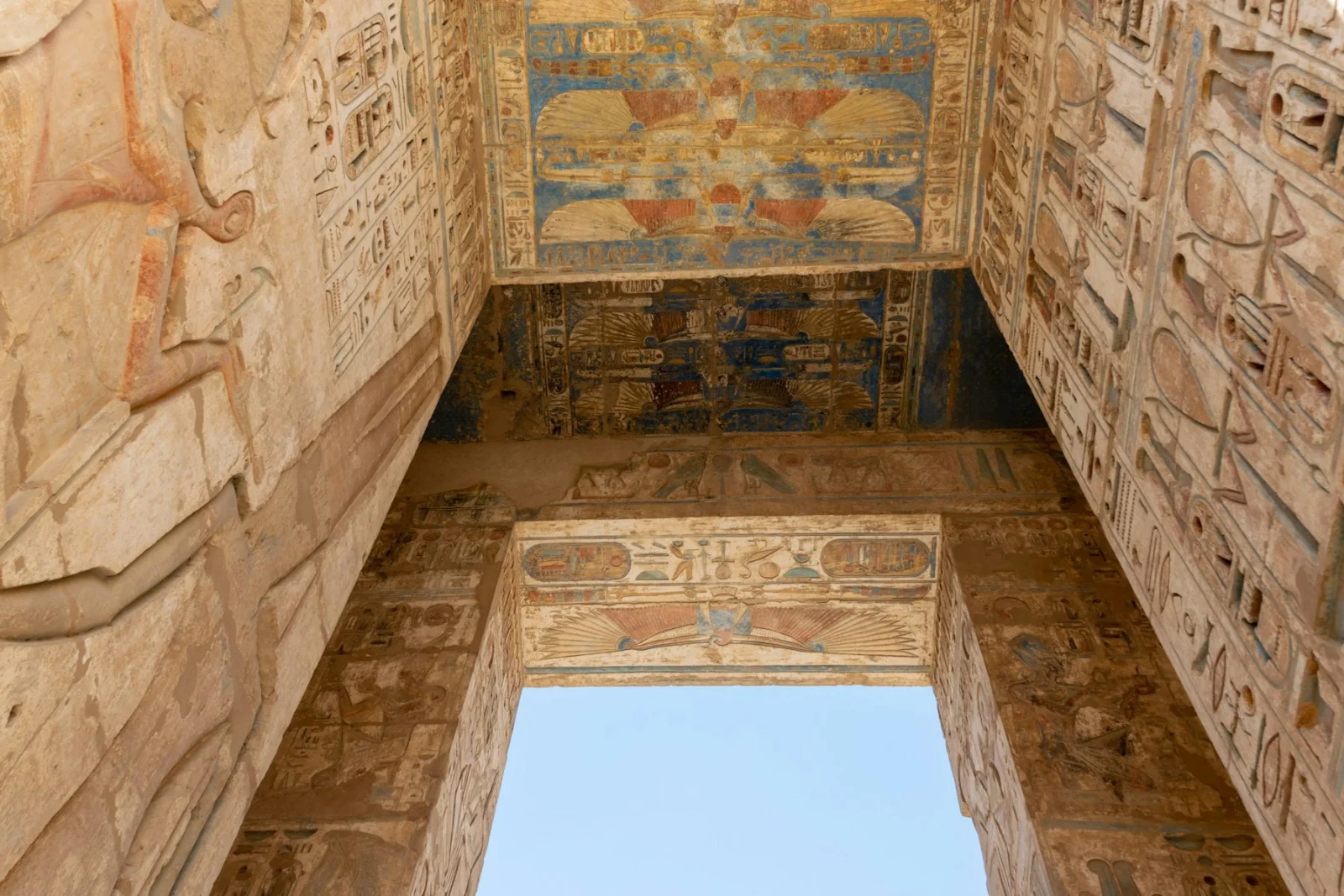
Medinet Habu. The mortuary temple of Ramesses III is one of the best preserved on the West Bank, with deeply carved reliefs and ceilings that still keep their vivid blues and reds.
The Ramesseum. The memorial temple of Ramesses II holds the fallen fragments of a giant statue of the king, which inspired the English poet Shelley’s famous poem “Ozymandias”.
Deir el-Medina. The village of the craftsmen who built the royal tombs. Their own small tombs are beautifully painted, giving an intimate view of everyday life and faith.
Valley of the Queens. Burial place of royal wives and princes, home to the celebrated tomb of Nefertari, often called the most beautiful tomb in Egypt.
A balloon at sunrise. Hot-air balloon flights over the West Bank often pass above the Colossi, offering an unforgettable view of the temples, fields and the Nile at dawn. Nearby you will also find the Temple of Hatshepsut.
The colossi are a short stop of about 20–30 minutes, usually combined with the Valley of the Kings and the Temple of Hatshepsut.
Early morning offers soft light for photos and fewer people.
The site is open-air with little shade, so bring a hat and water.
The Colossi of Memnon are part of the Luxor West Bank tour on these itineraries:
Best of Egypt – 8 Days Cairo & 4-Night Nile Cruise Luxor to Aswan — 8 Days / 7 Nights
Cairo & Luxor Express – 3 Days by Round-Trip Flight — 3 Days / 2 Nights
Pyramids & Nile Cruise Escape – 6 Days Cairo, Aswan & Luxor — 6 Days / 5 Nights
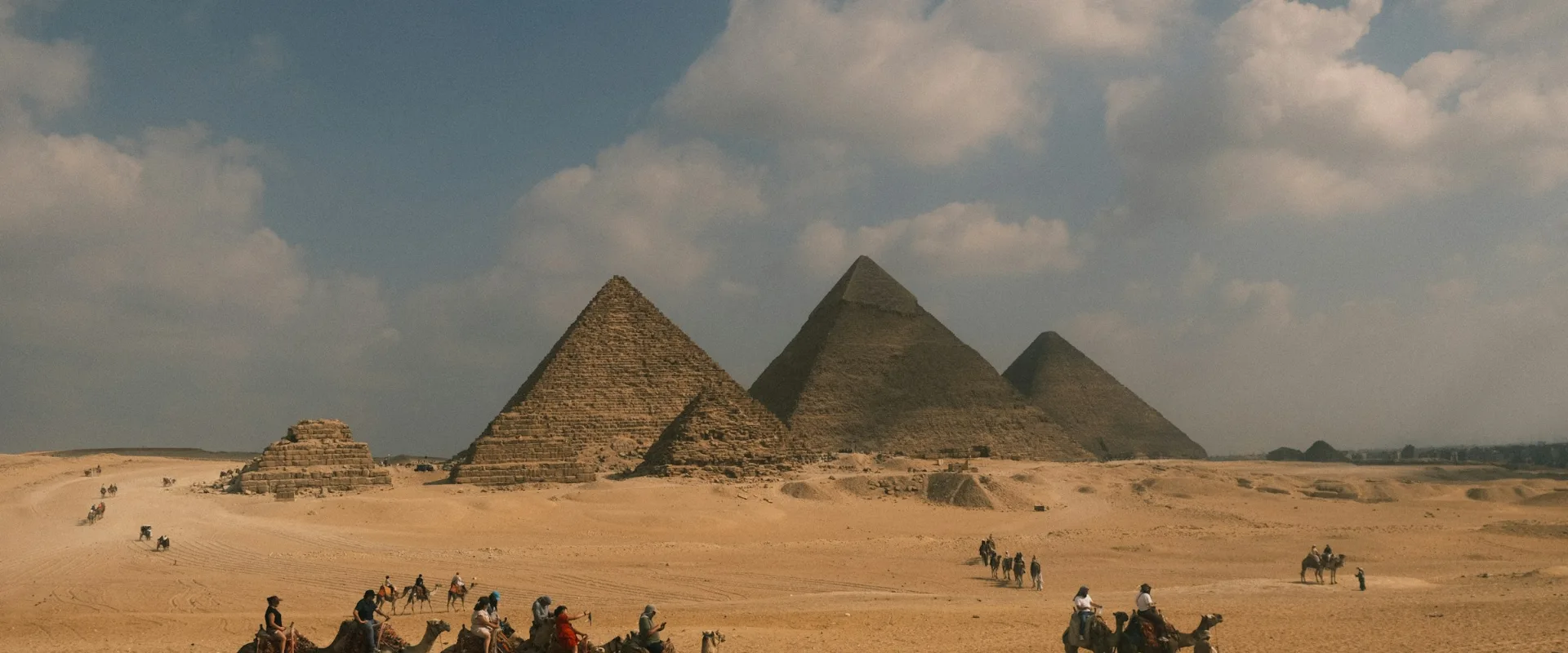

Round-the-clock 24/7 support from expert local guides and a professional customer care team, before and throughout your trip.


Copyright © 2026 Egyptista