
Most monuments were built. The Great Sphinx was revealed. Ancient quarrymen cut away the limestone around a natural outcrop on the Giza Plateau and shaped what remained into a recumbent lion with a human head. The result is one of the largest single-stone sculptures on Earth and the most recognisable face of ancient Egypt.
The Sphinx lies just below the Pyramids of Giza, facing due east towards the rising sun. For centuries it was half-buried in sand, admired, feared and repaired in turn. Today it remains the emotional high point of any visit to the plateau.
This guide looks at who carved it, what it meant to the Egyptians, the myths that grew around it and how to make the most of your visit.
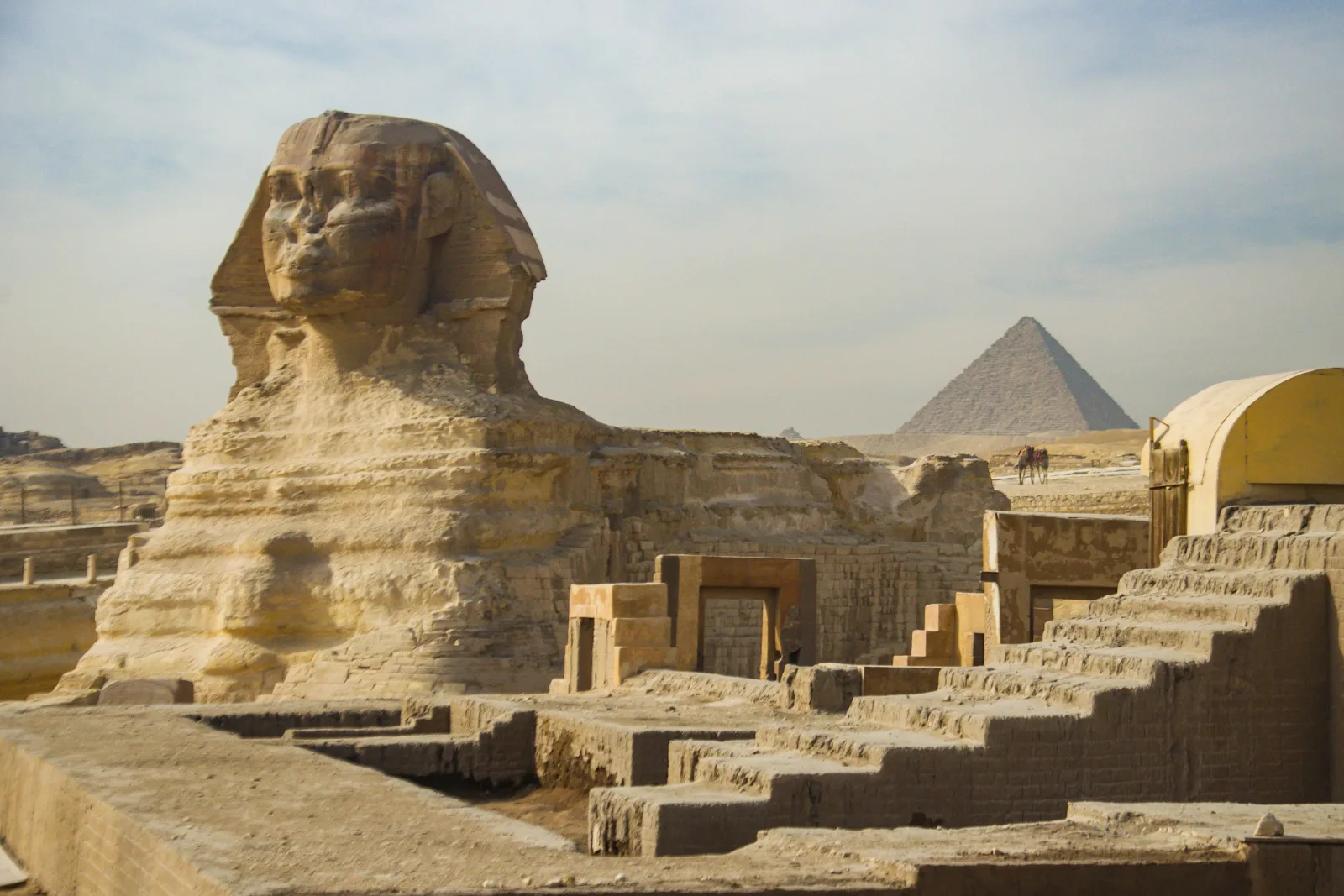
Most Egyptologists attribute the Sphinx to King Khafre of the Fourth Dynasty, who ruled in the mid-26th century BC. The statue lies beside the causeway and valley temple of his pyramid complex, and its stone was cut from the same quarry used for nearby temple walls.
No inscription from Khafre’s reign names it, so the attribution rests on this archaeological context.
About a thousand years later, during the New Kingdom, the Sphinx became the focus of a new cult. Egyptians now saw it as Horemakhet, “Horus in the Horizon”, a form of the sun god. Kings and commoners left stelae and offerings around it.
Between the paws stands a granite slab set up by Thutmose IV around 1400 BC. Its text tells how the young prince fell asleep in the shadow of the Sphinx and dreamed that the god promised him the throne if he cleared away the sand that was smothering its body.
Whether or not the dream happened, the stele records a real clearance of the monument.
In modern times, excavations in the early 19th century and a long campaign between 1925 and 1936 finally freed the entire body from the sand.
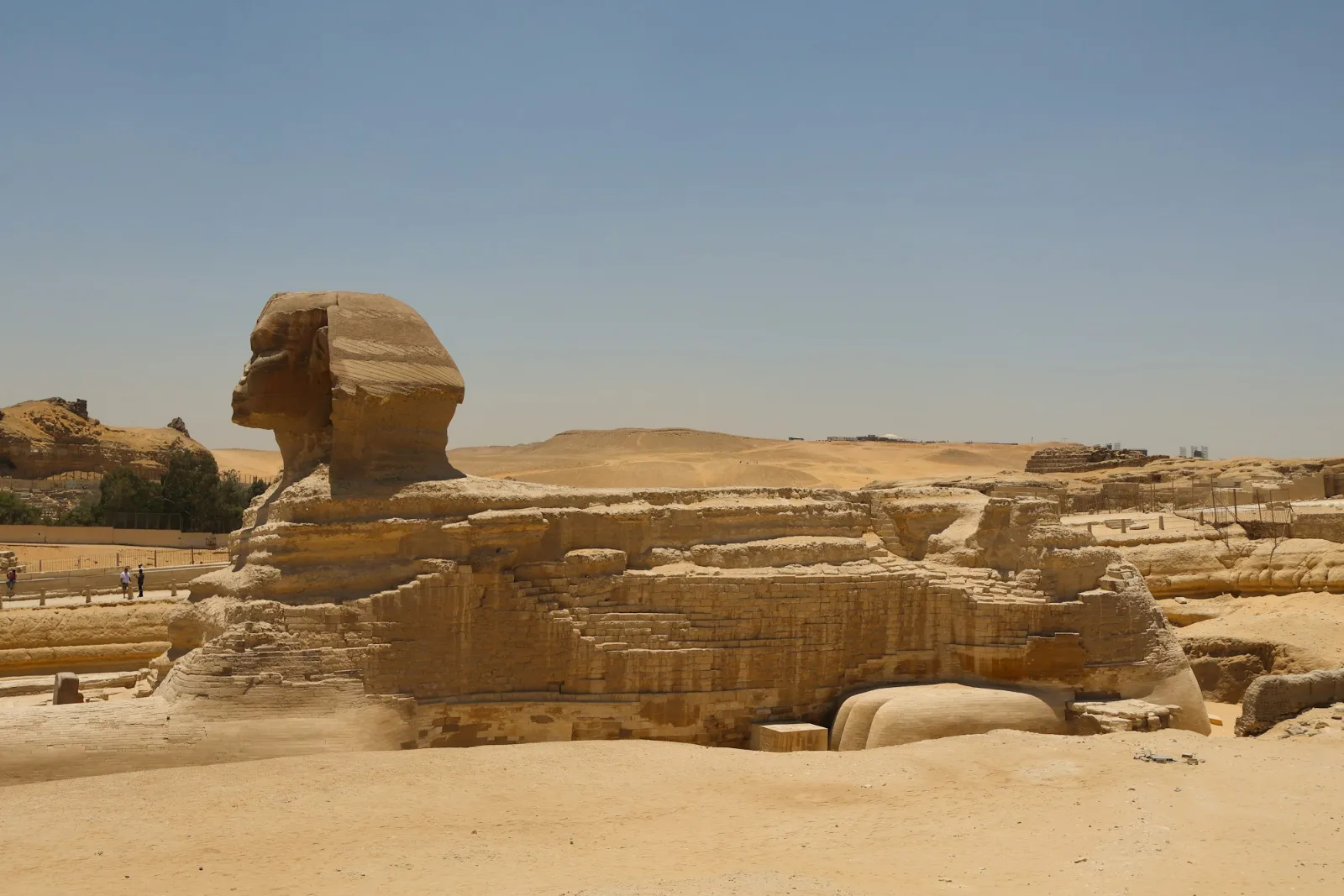
The Sphinx measures roughly 73 metres long and 20 metres high. Its head wears the striped royal *nemes* headcloth, and traces of a uraeus cobra once rose from the brow.
The head was carved from harder limestone than the softer layers of the body. That is why the face survives in better shape, while the body has needed repeated masonry repairs since antiquity.
Directly in front of the statue lie the remains of the Sphinx Temple, built of huge limestone blocks and never finished. Scholars have noted its strict east–west alignment, linking the Sphinx to the movement of the sun.
Visitors usually reach the Sphinx viewing terrace through the Valley Temple of Khafre. Its pillars and walls are made of polished red granite blocks, some weighing many tonnes, and it is a highlight in its own right.
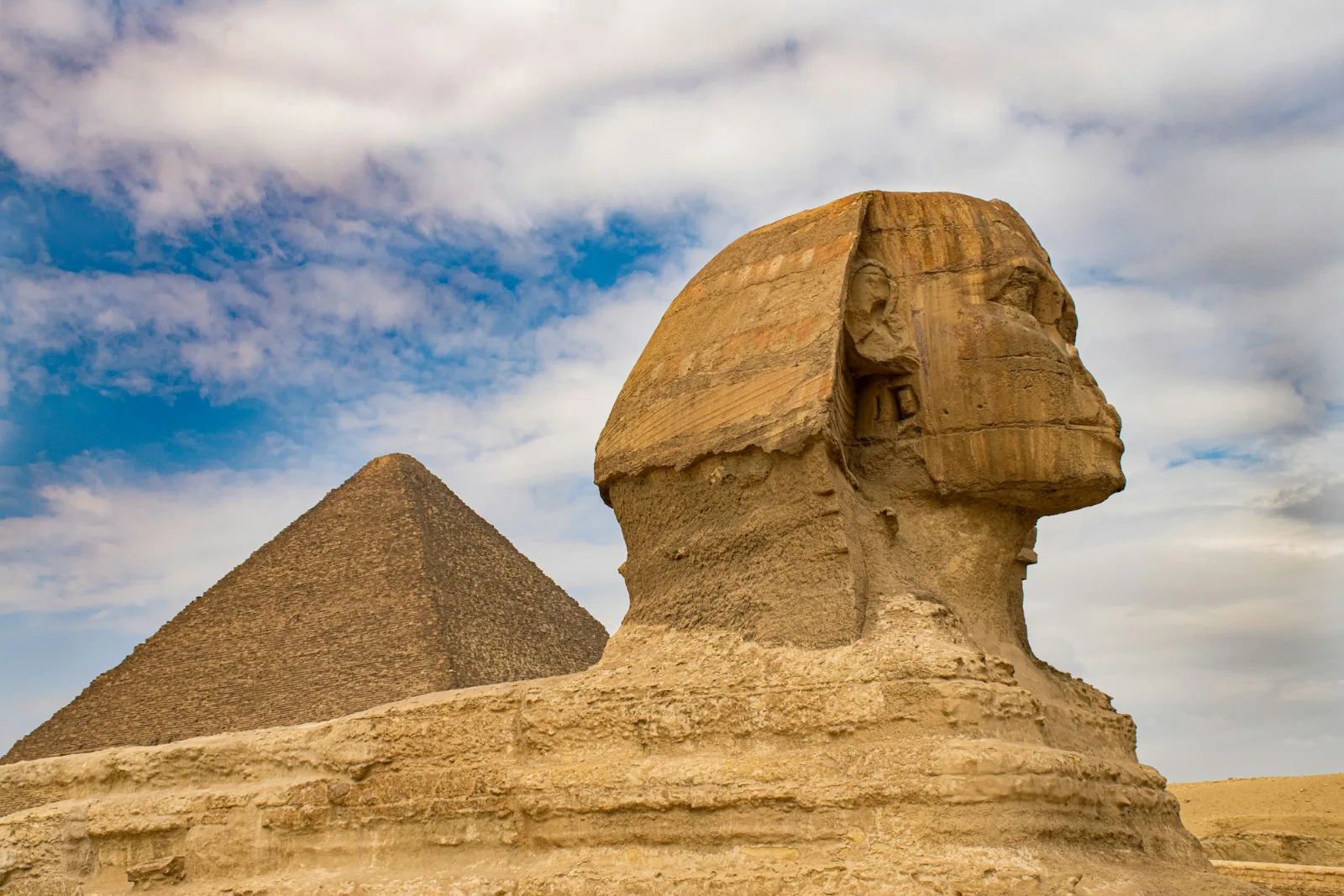
Napoleon did not shoot off the nose. Drawings by the Danish traveller Frederic Louis Norden, published in the 18th century before Napoleon’s expedition, already show the Sphinx without its nose. The medieval historian al-Maqrizi recorded that the face was deliberately damaged in the late 14th century.
A beard in London. Fragments of a stone beard, probably added in the New Kingdom, were found between the paws. One piece is now in the British Museum.
The “Father of Terror”. In Arabic the Sphinx is called *Abu al-Hol*, often translated as the “Father of Dread”.
Painted once. Traces of red pigment on the face suggest the statue was originally painted.
A Greek name for an Egyptian idea. “Sphinx” is a Greek word. In Egypt, sphinxes symbolised royal power, combining the strength of a lion with the intelligence of the king.
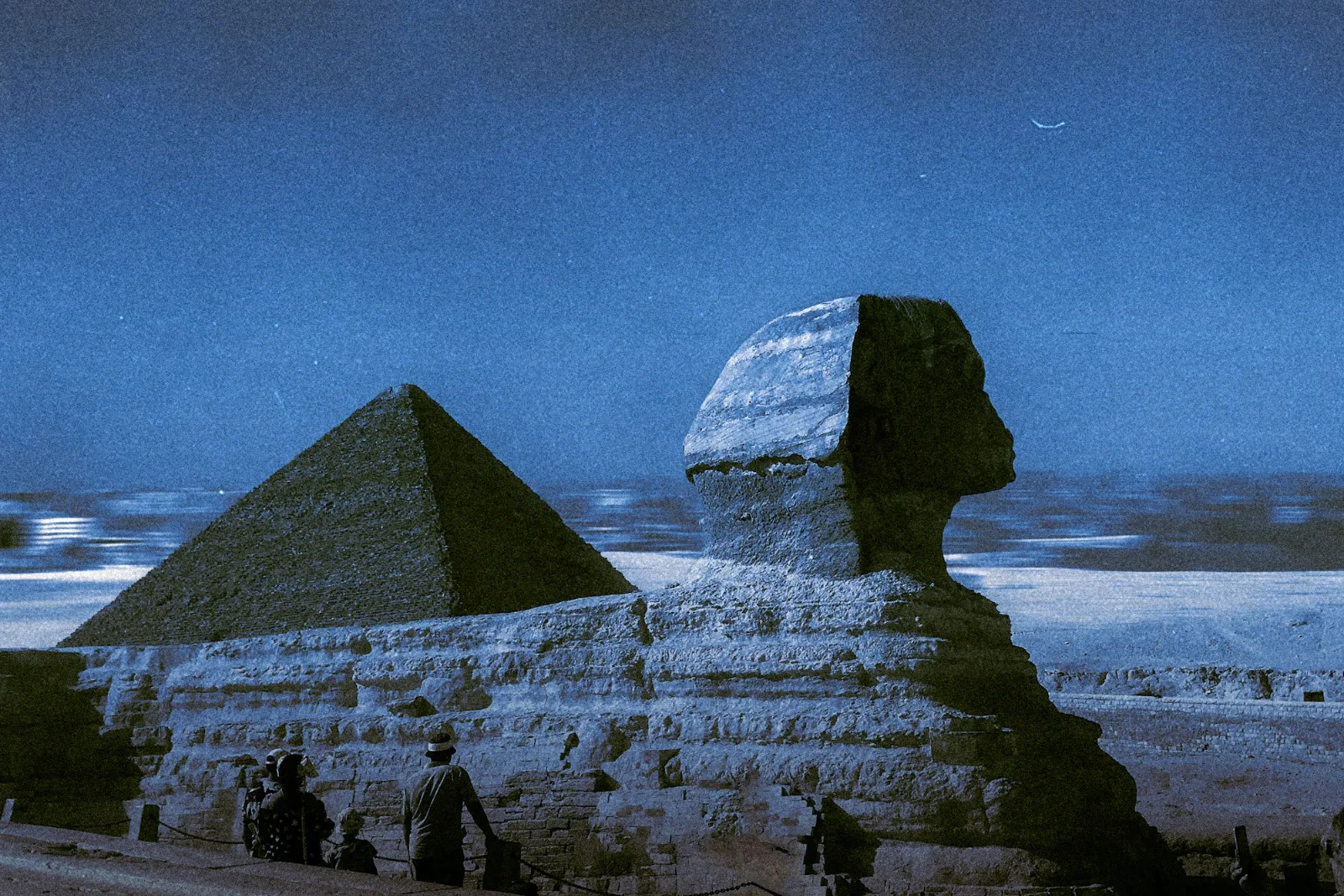
Stand on the viewing terrace next to the Valley Temple of Khafre for the classic face-on view.
Walk the causeway up towards Khafre’s pyramid to understand how the Sphinx fits into the royal complex.
Line up the perfect photograph. From the terrace you can frame the Sphinx with the pyramids of Khafre and Khufu behind it.
Watch the Sound and Light Show, where the Sphinx narrates the story of the plateau after dark.
Continue to the GEM to see royal statues and sphinxes up close at the Grand Egyptian Museum.
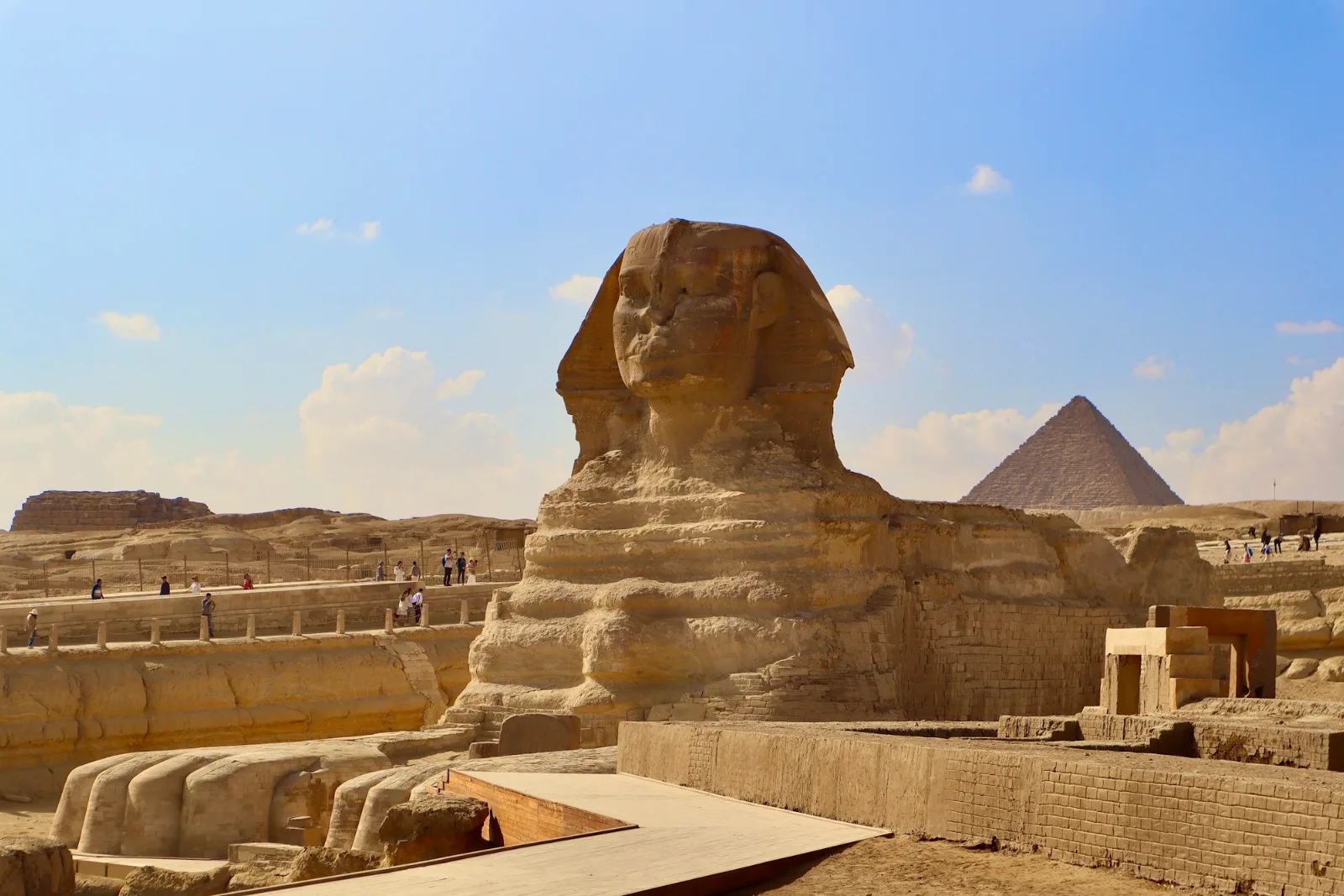
The Sphinx faces east, so its face is best lit in the morning, which is also the coolest and quietest time on the plateau. By late afternoon the face is in shadow, though the warm light on the pyramids behind it is beautiful.
The pleasant season runs from October to April. In summer, plan your visit for the first hours after opening and bring sun protection.
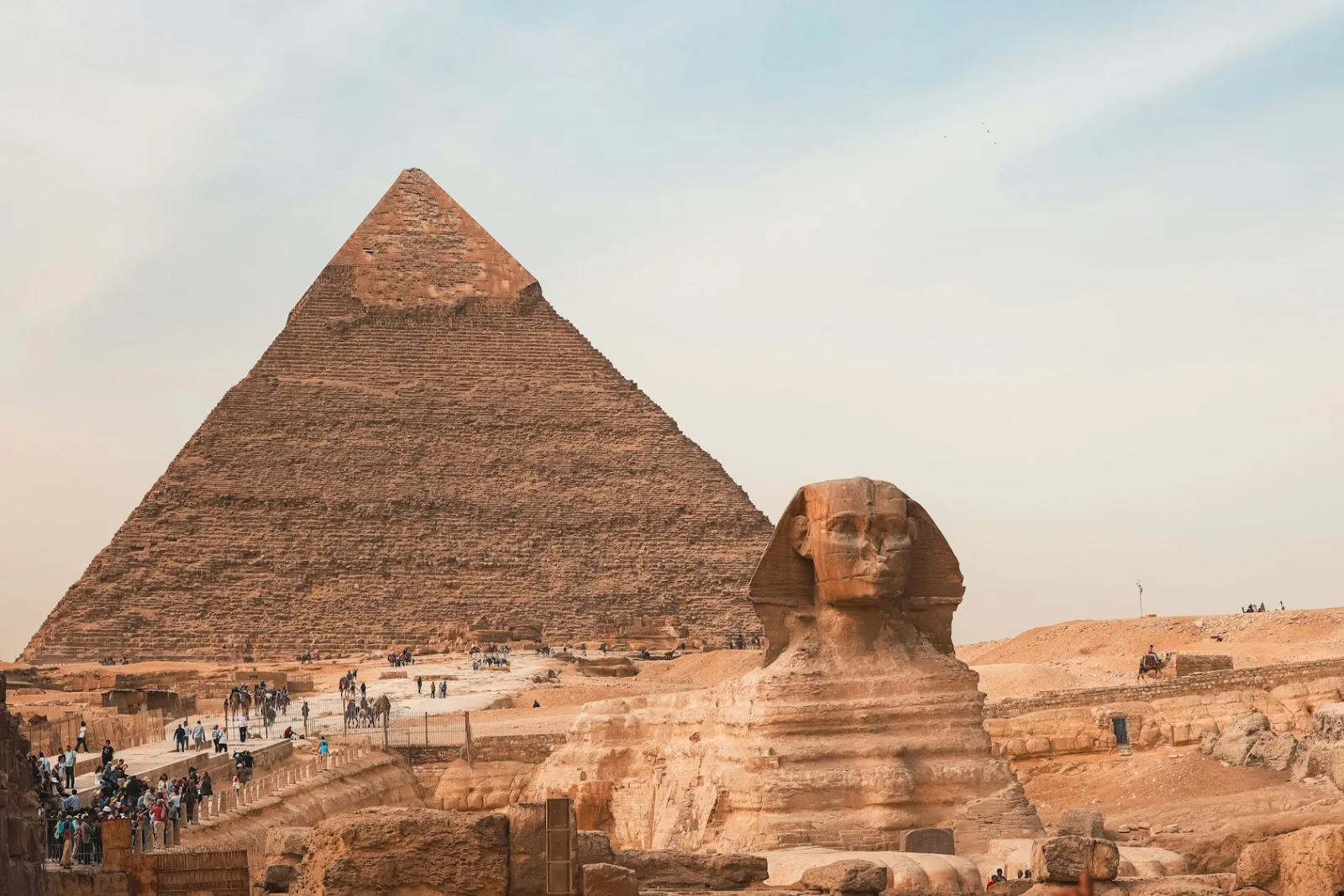
The Sphinx is on the eastern edge of the Giza Plateau, about 15–20 km south-west of downtown Cairo. It sits close to the plateau’s Sphinx entrance in the Nazlet el-Samman district.
By taxi or ride-hailing app: Ask for the Sphinx gate to start your visit at the statue.
On a guided tour: Most tours combine the Sphinx with the pyramids and the nearby Grand Egyptian Museum.
On foot from the pyramids: From Khufu’s pyramid, the walk downhill takes around 15–20 minutes.
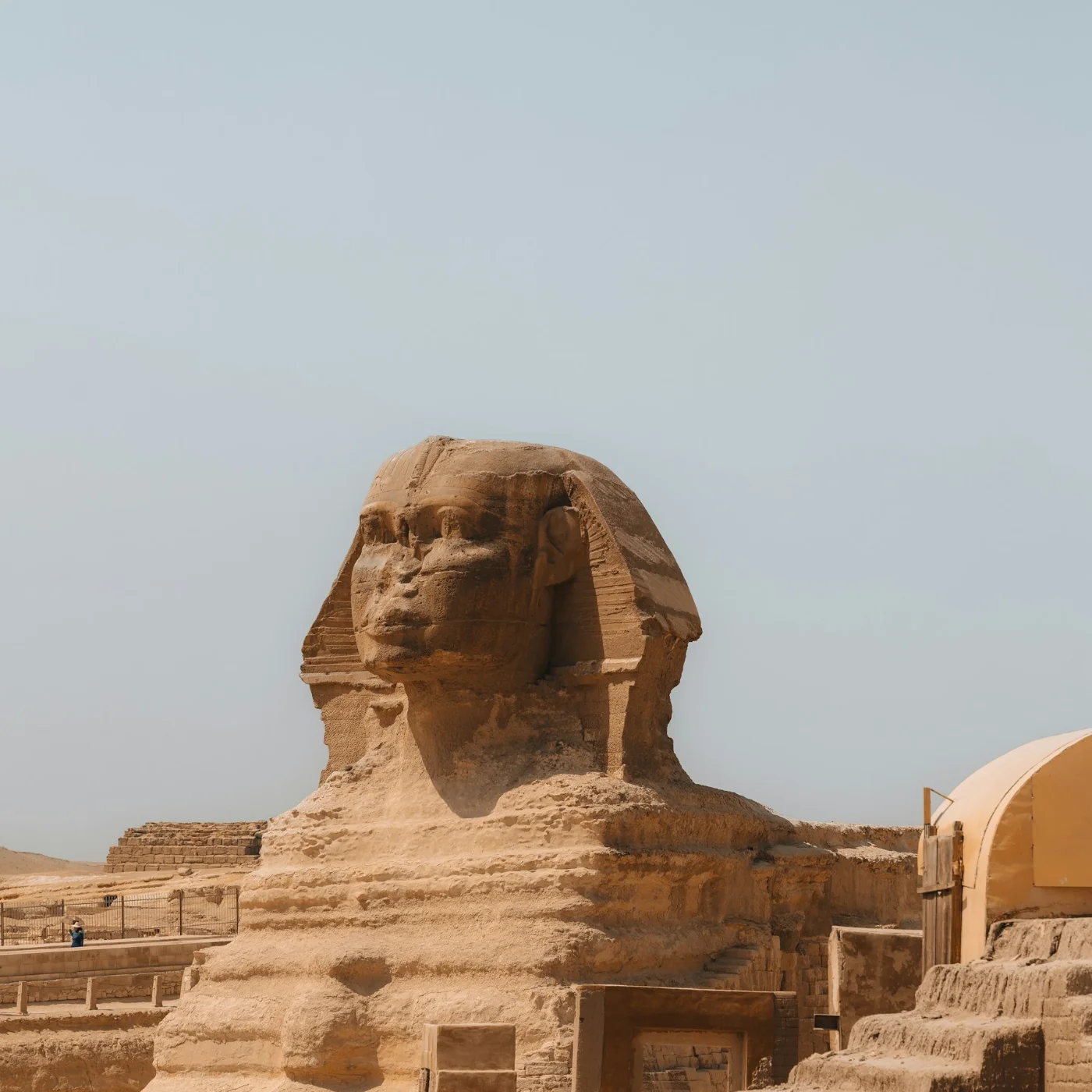
The Dream Stele. Between the Sphinx’s paws stands a granite stele placed by Thutmose IV. It tells how the young prince fell asleep in the Sphinx’s shadow and dreamed that he would become king if he cleared away the sand that covered it.
Carved from the bedrock. The Sphinx was not built from blocks but carved directly from a limestone outcrop. Look closely at its body and you can see the natural layers of rock.
Facing the sunrise. The Sphinx gazes due east, towards the rising sun, linking it to the sun god and to the king’s eternal rebirth.
The Valley Temple of Khafre. Right beside the Sphinx, this temple is built of huge pink granite blocks with a floor of alabaster. It is where the king’s funeral procession began before climbing the causeway to his pyramid.
Traces of colour. Experts have found traces of red pigment on the face, a reminder that the Sphinx was once brightly painted. Pair your visit with the Great Pyramids of Giza.
Ticket: The Sphinx is included in the Giza Plateau ticket, which costs EGP 700 for foreign adults and EGP 350 for students.
Opening hours: Daily from 7:00 AM, last entry 4:00 PM. During Ramadan, 8:00 AM with last entry at 3:30 PM.
Sound and Light Show: This has a separate ticket and schedule.
Ticket prices and hours were checked on the official EgyMonuments platform in November 2026 and may change, so please confirm them before your visit.
Tip: Visitors are not allowed to climb or touch the statue. The best views are from the terrace beside the Valley Temple.
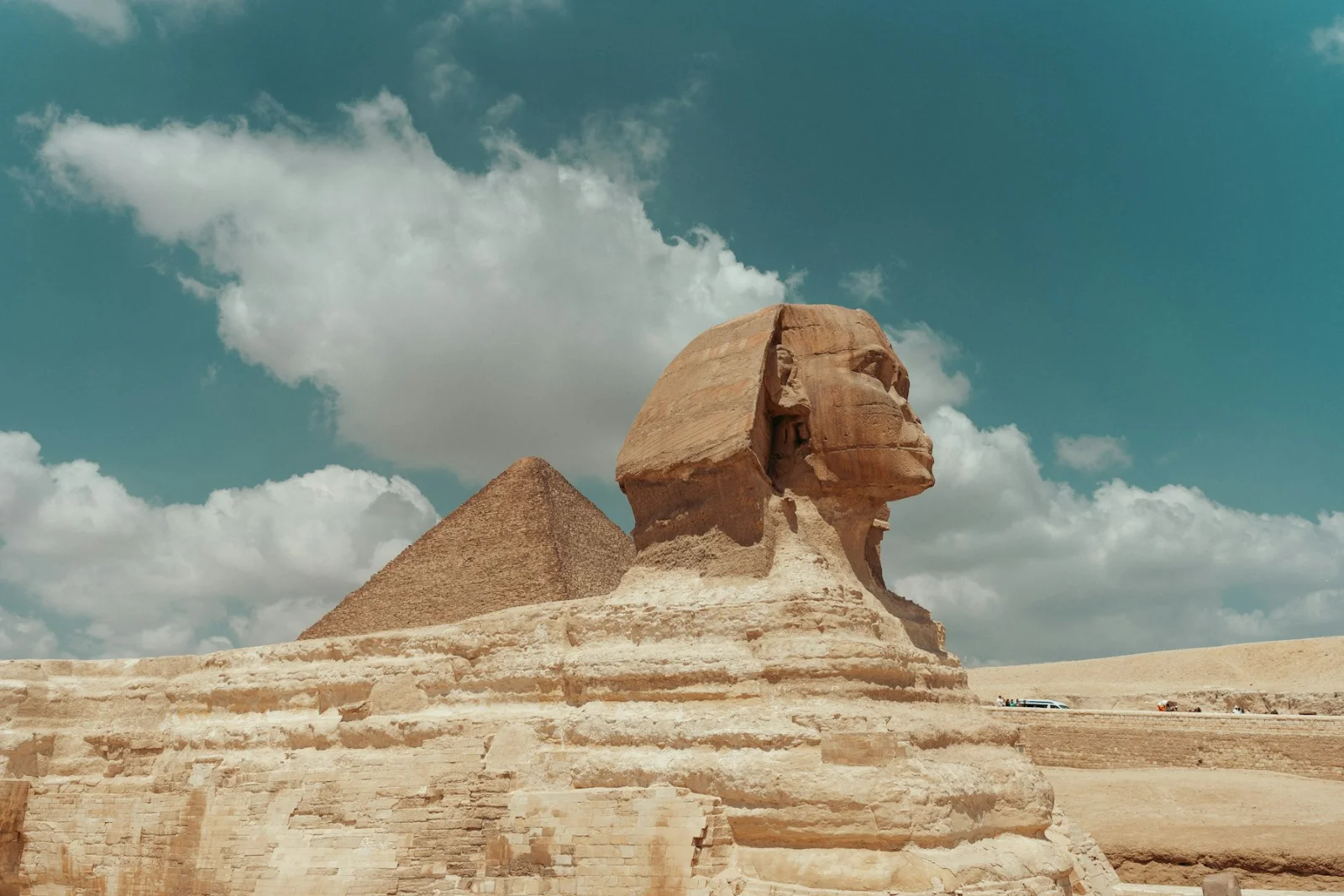
Photograph the Sphinx from the Valley Temple terrace for a classic side view with the pyramids behind.
Early morning light brings out the details of the face and headdress.
A wide-angle shot from the front shows the Sphinx lined up with the Pyramid of Khafre.
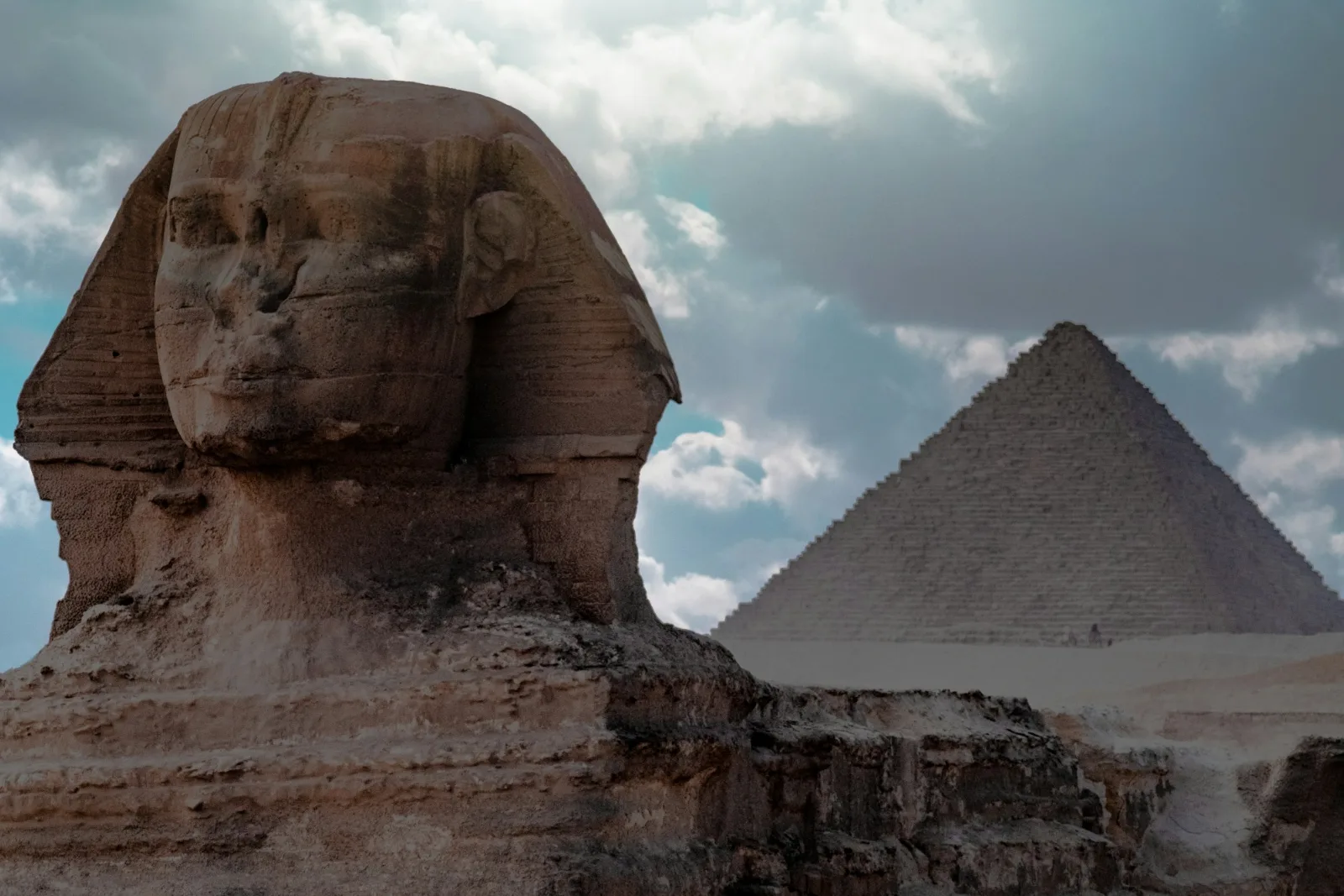
The Sphinx is where ancient Egypt looks back at you. Seeing that weathered face against the pyramids makes the scale of the Old Kingdom personal in a way no photograph can.
It is also a lesson in survival: the statue has outlived its builders, desert storms, the loss of its nose and centuries of sand. Its long story of devotion, neglect and rediscovery is part of what makes it so memorable.
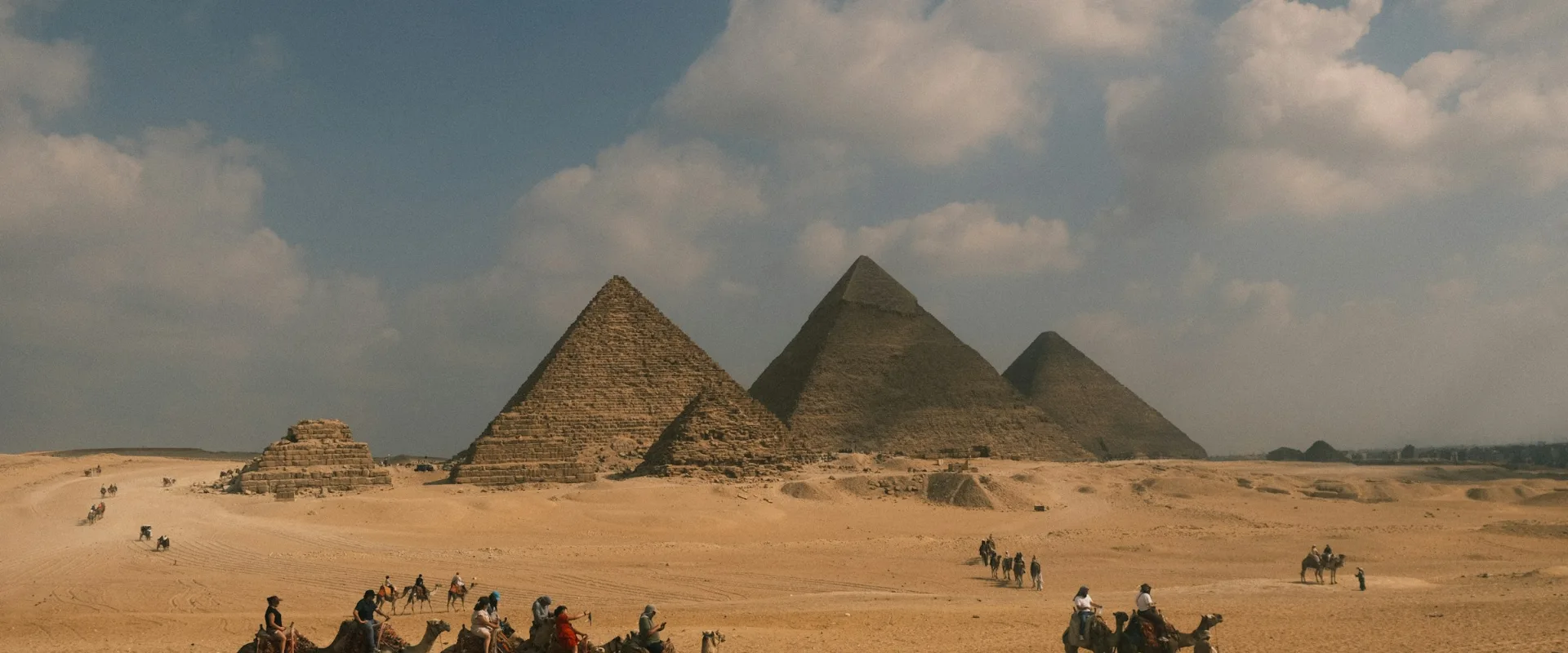
The Great Pyramids of Giza: explore the royal tombs that the Sphinx guards.
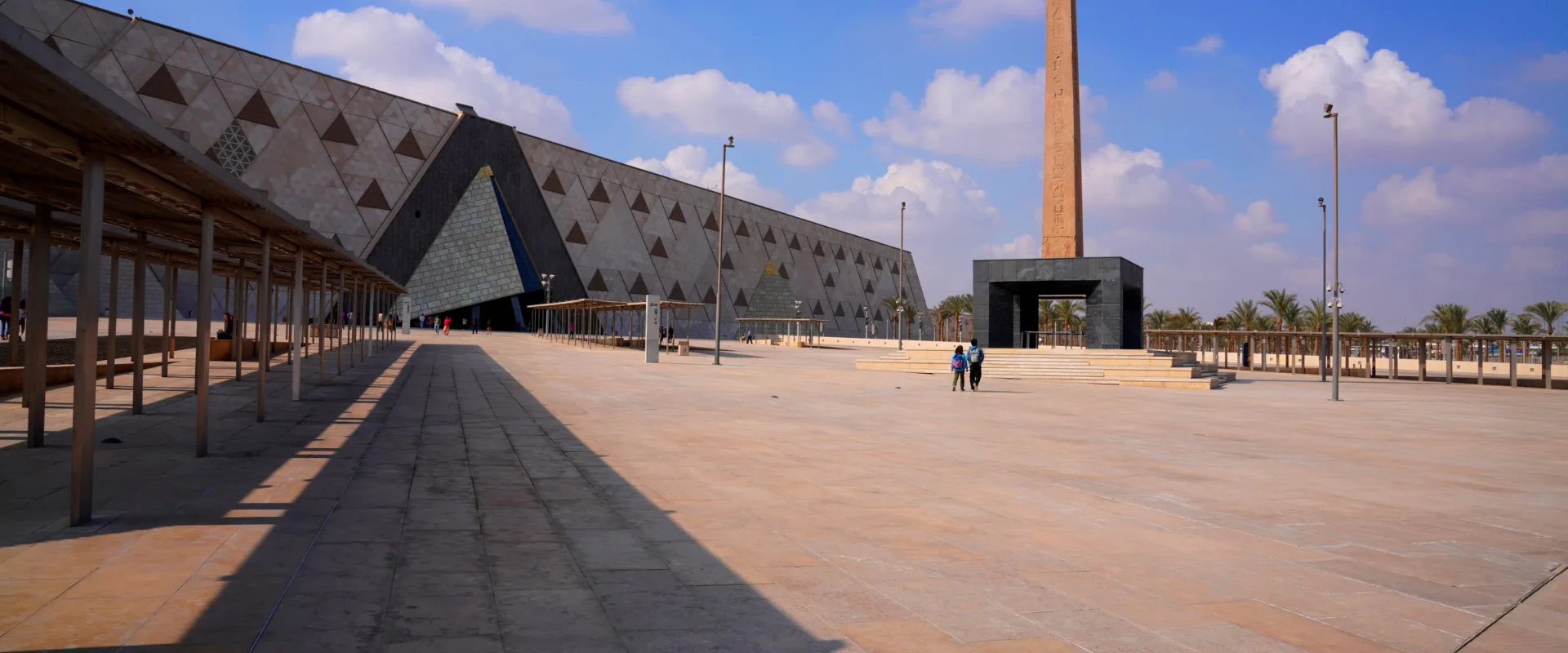
The Grand Egyptian Museum: colossal royal statues and Tutankhamun’s treasures, just 2 km away.
Khan el-Khalili Bazaar: spend the evening in historic Cairo.
Abu Simbel Temples: another face of royal power, carved into a Nubian mountain.

Round-the-clock 24/7 support from expert local guides and a professional customer care team, before and throughout your trip.


Copyright © 2026 Egyptista