There is a moment on almost every trip to Egypt when history stops being something you read about. It might come at the foot of the Great Pyramid, in the cool dark of a pharaoh’s tomb, or on the deck of a boat as the sun sets over the Nile.
Egypt has been welcoming travellers for more than two thousand years, from Greek historians to Victorian explorers, and it still has the power to astonish.
This guide follows the route that most of our travellers take, from the capital in the north to the temples of the south. It also shows which Egyptista tours bring each place to life.
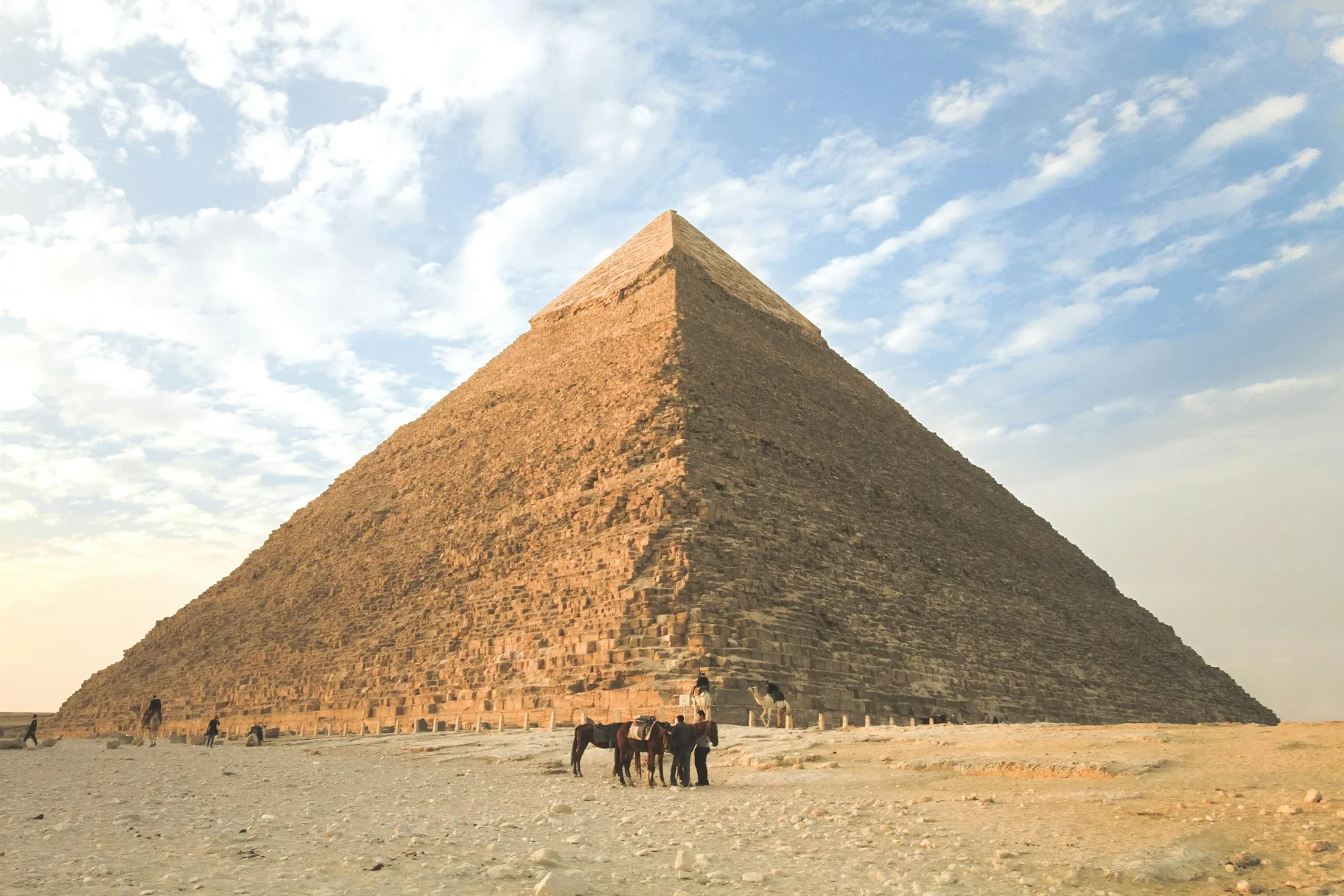
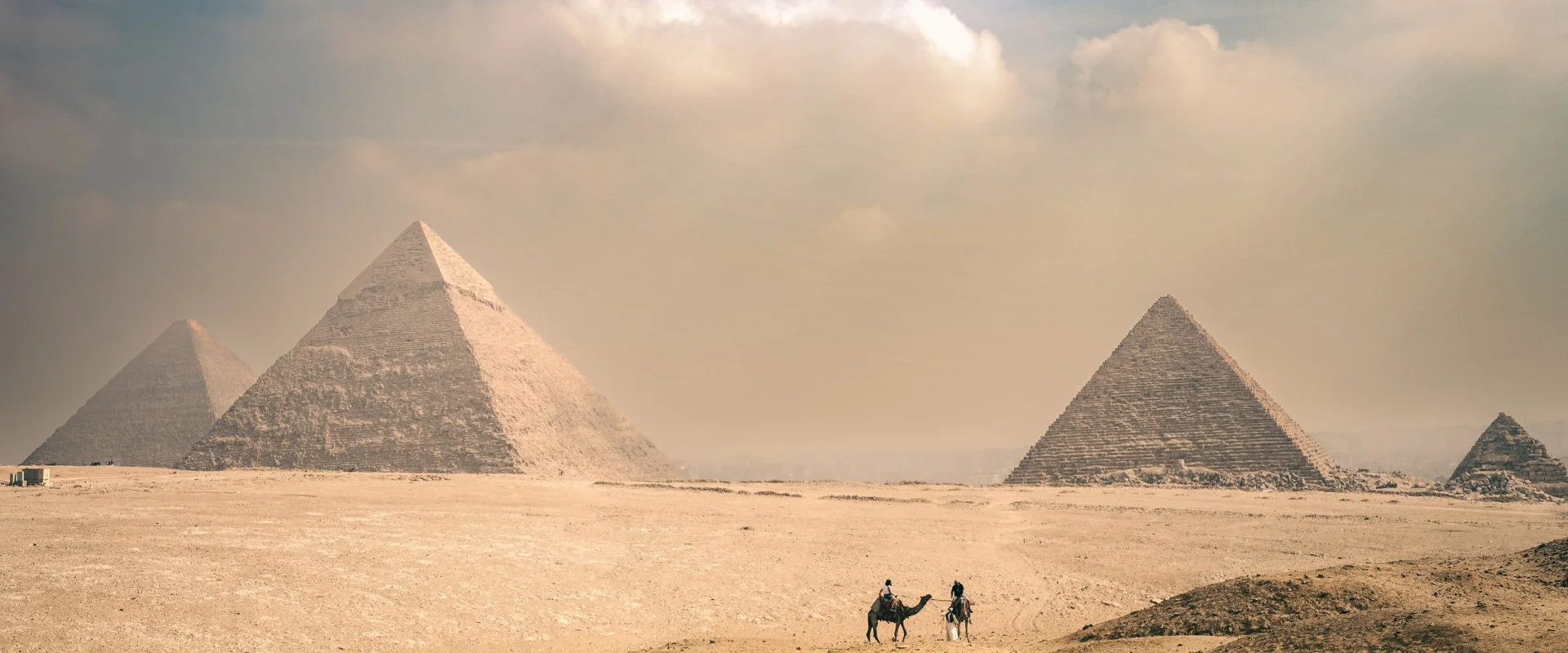
Cairo is a city of more than 20 million people, loud, warm and full of life. On its western edge rise the Pyramids of Giza, built for the kings Khufu, Khafre and Menkaure around 4,500 years ago. They are the only one of the Seven Wonders of the Ancient World still standing.
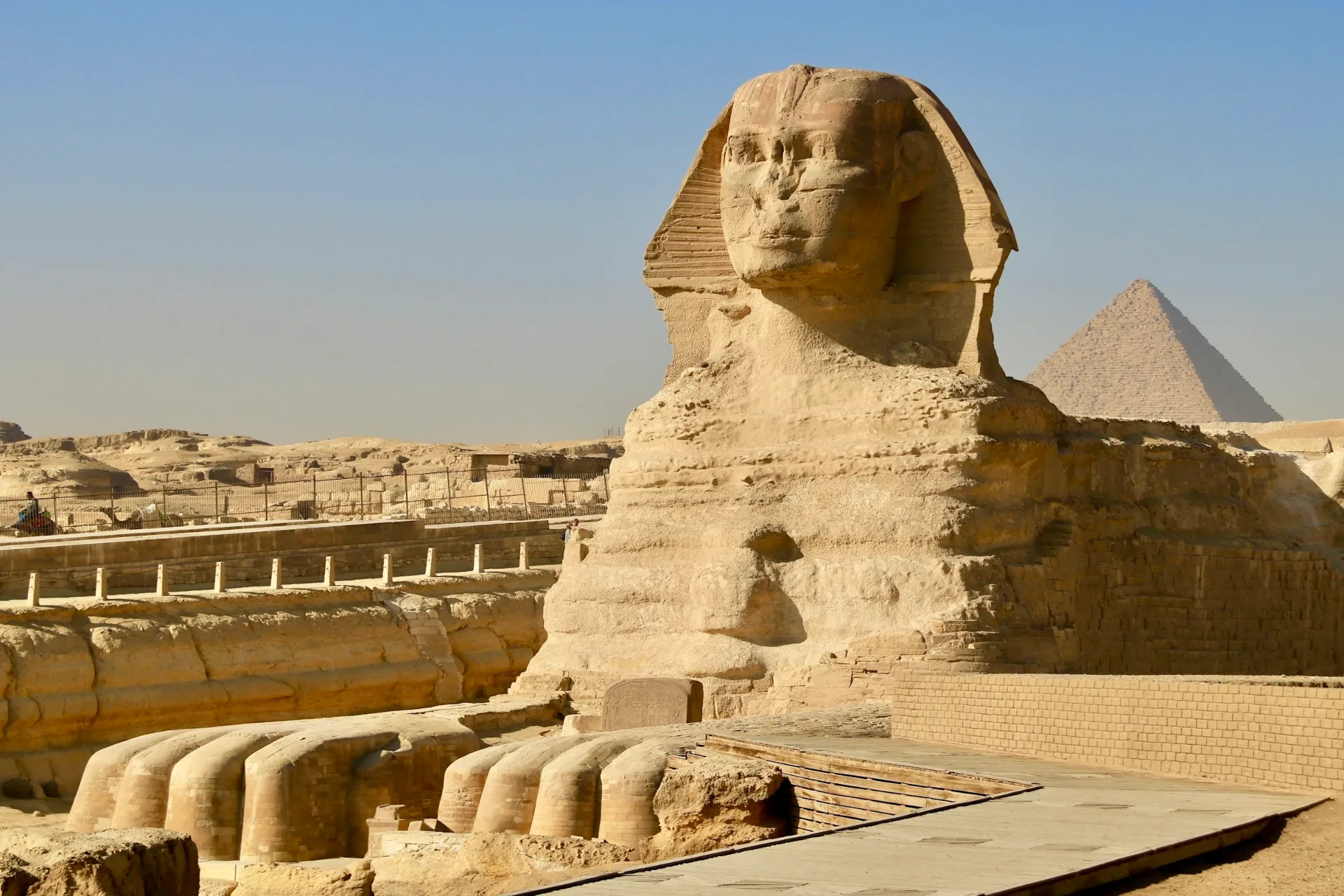
Below them lies the Great Sphinx, carved from the bedrock of the plateau. Many of our tours also include Saqqara, home to the Step Pyramid of Djoser, the oldest pyramid in Egypt, and Memphis, the first capital of a united Egypt.
Cairo’s story continues long after the pharaohs. In Coptic Cairo you will find some of Egypt’s oldest churches. Islamic Cairo is a maze of mosques, madrasas and medieval gates, crowned by the Citadel of Saladin and the Mosque of Muhammad Ali.
Opened to the public in November 2025, the Grand Egyptian Museum stands about two kilometres from the pyramids. Its highlights include the colossal statue of Ramesses II in the Grand Hall, the monumental Grand Staircase, Khufu’s 4,600-year-old boat and, for the first time, the complete treasure of Tutankhamun displayed together. Allow at least three to four hours.
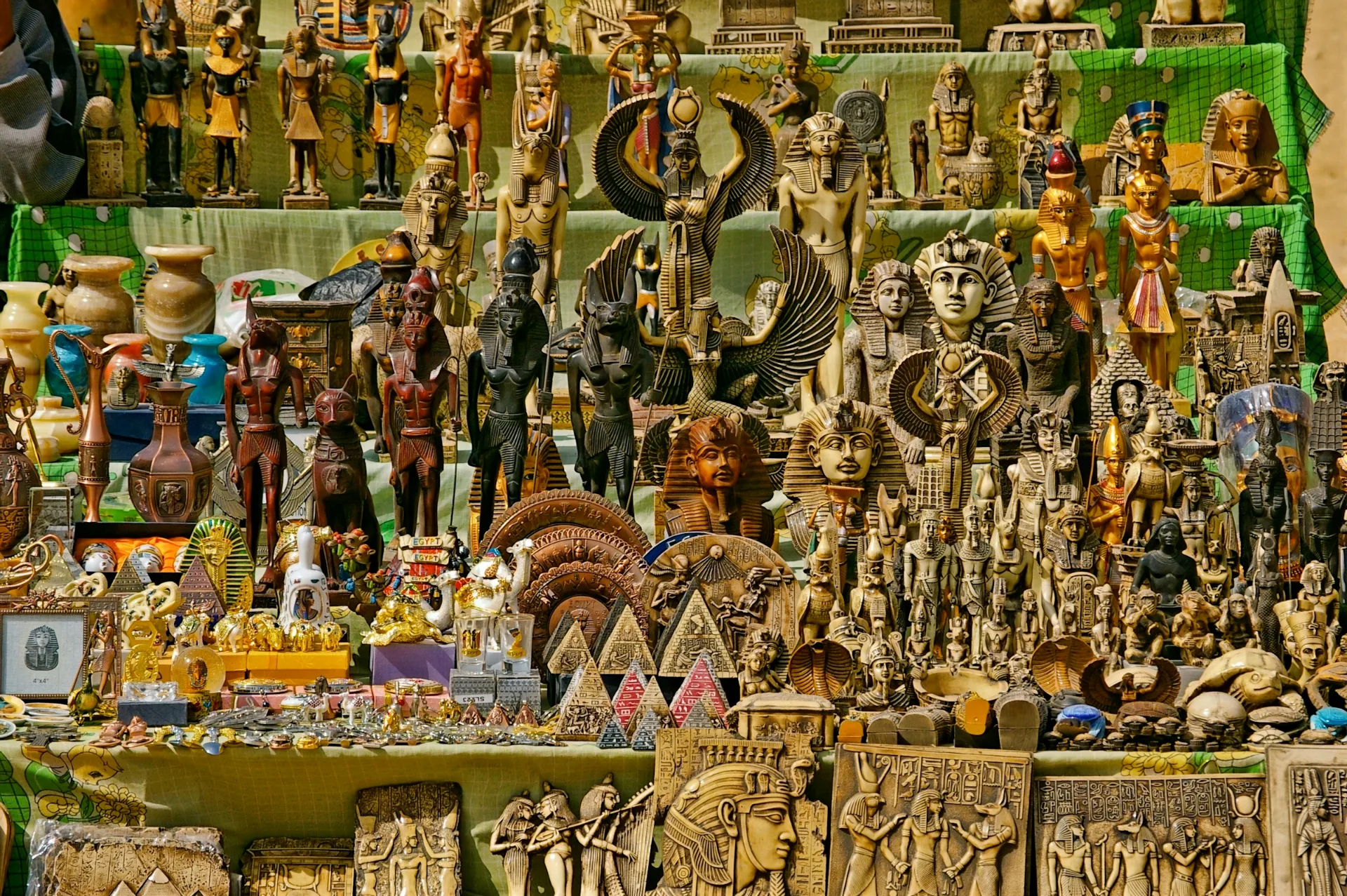
As evening falls, head to Khan el-Khalili, Cairo’s great bazaar since the 14th century. Bargain for brass lanterns, spices and silver, then sit down for mint tea at a traditional café while the lanes fill with Cairo families.
A short flight south brings you to Luxor, ancient Thebes, the religious capital of Egypt’s New Kingdom.
On the East Bank, the Karnak Temple Complex grew over two thousand years into one of the largest religious complexes ever built. Its Great Hypostyle Hall holds 134 giant columns. A processional avenue of sphinxes links it to Luxor Temple, which is especially beautiful when lit up at night.
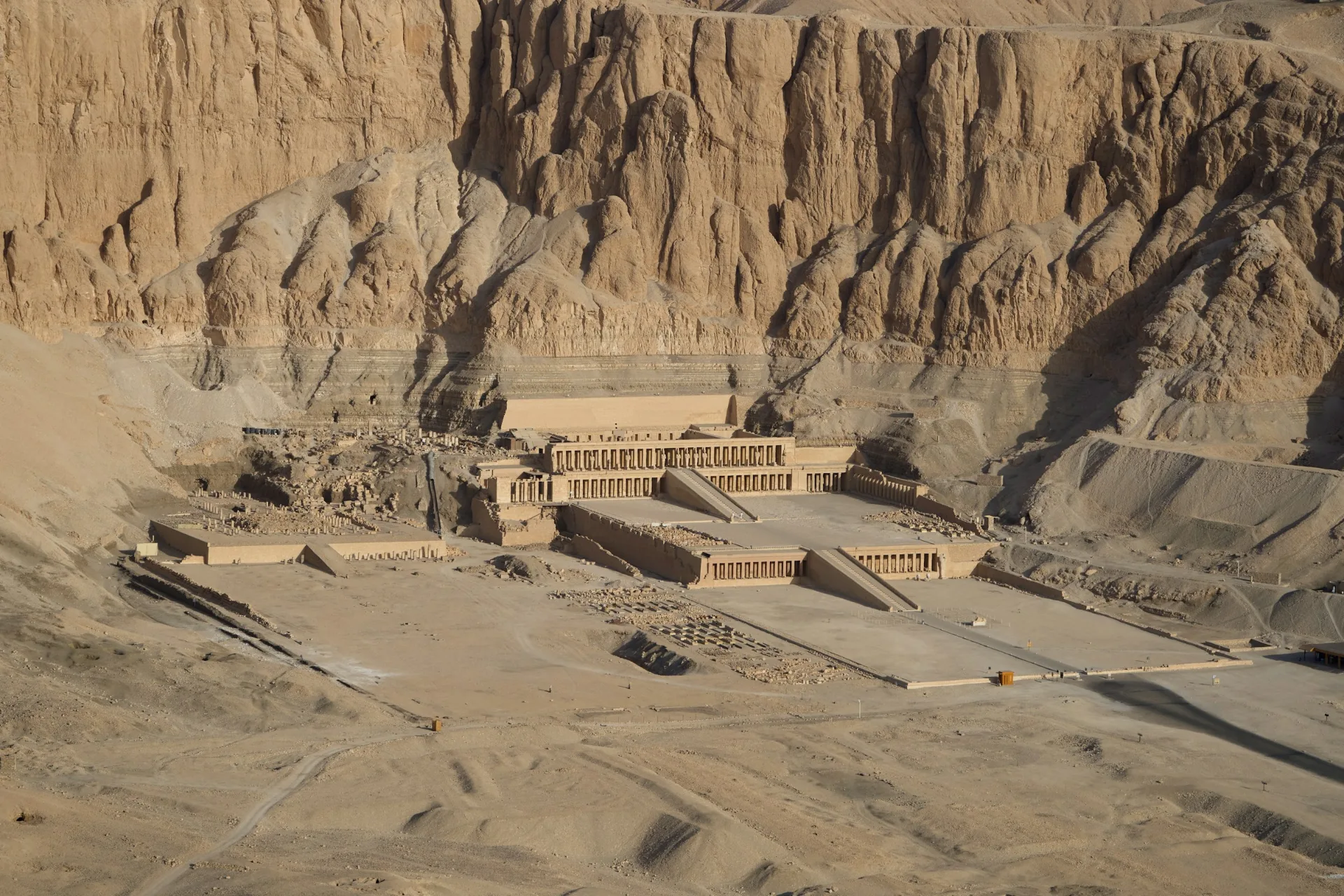
Across the river, the Valley of the Kings hides the painted tombs of the pharaohs, including Tutankhamun. Nearby stand the terraced Temple of Hatshepsut and the Colossi of Memnon. For a different view, a sunrise hot air balloon flight over the West Bank is unforgettable.
Aswan is Egypt at its most relaxed, with granite boulders, palm-fringed islands and colourful Nubian villages. The Philae Temple, dedicated to the goddess Isis, sits on an island and is reached by boat. In Aswan you can also see the High Dam and the Unfinished Obelisk, or sail on a traditional felucca at sunset.
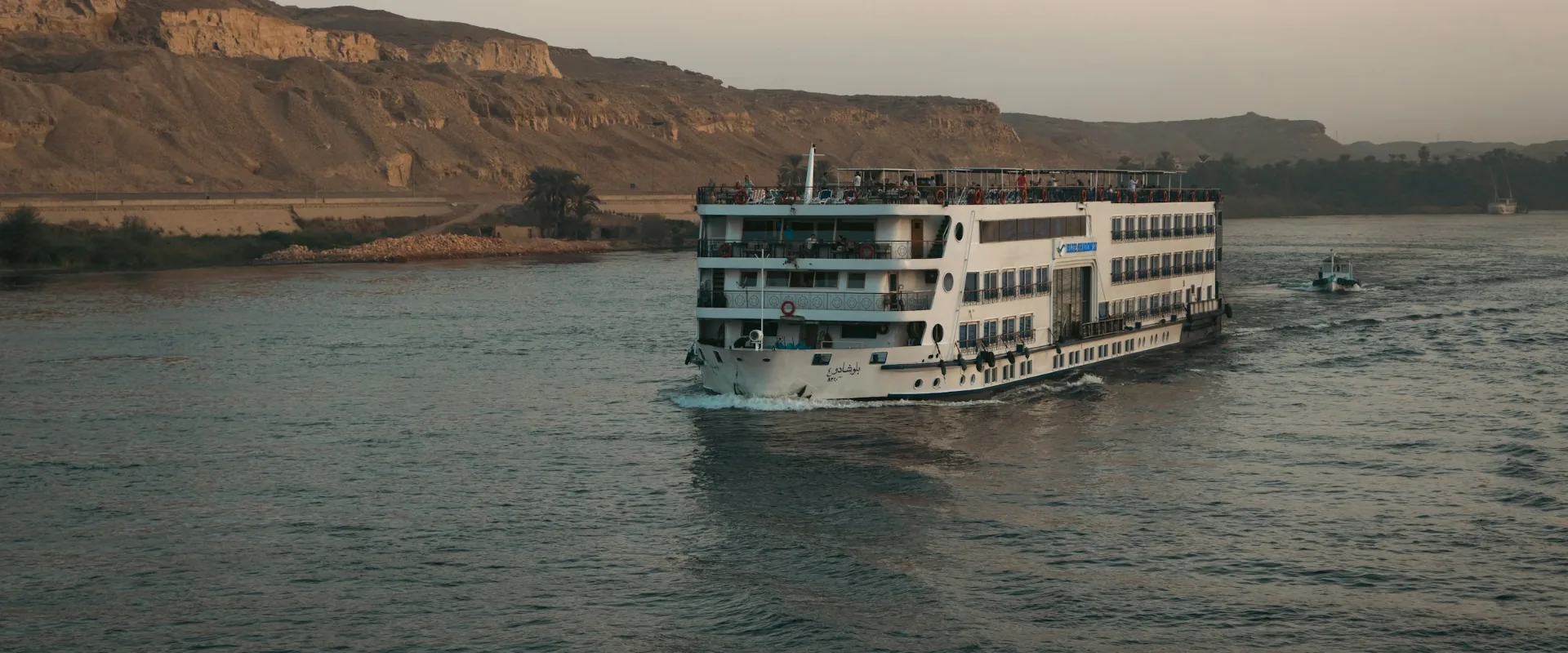
Between Luxor and Aswan, a Nile cruise stops at the temples of Edfu and Kom Ombo. For many travellers, it is the highlight of the trip.
Some 280 km south of Aswan, close to the border with Sudan, the Abu Simbel Temples were carved into a mountain for Ramesses II and his queen Nefertari.
In the 1960s they were cut into more than 1,000 blocks and rebuilt on higher ground to save them from Lake Nasser. Twice a year, around 22 February and 22 October, the rising sun lights up the statues in the inner sanctuary.
Food: Try koshari, Egypt’s favourite street food, along with ful medames, fresh falafel (ta’amiya) and sweet basbousa.
Hospitality: Expect to be offered tea, often more than once.
The Red Sea: Several of our tours end with a few days of sunshine and snorkelling in Hurghada or Sharm El Sheikh.
2–3 days: Cairo and Giza, ideal for a stopover.
6–8 days: Cairo plus a Nile cruise between Luxor and Aswan, the classic Egypt trip.
9–10 days: the classic trip plus the Red Sea, or a slower luxury itinerary.
Best time to visit: October to April for comfortable sightseeing. Summers in Luxor and Aswan are very hot.
Dress: Light, modest clothing that covers the shoulders and knees is ideal, especially at religious sites.
Money: The currency is the Egyptian pound (EGP). Carry small notes for tips and small purchases.
Entry requirements: Visa rules depend on your nationality, so check the latest requirements before you travel.
Guides: A licensed Egyptologist guide brings the monuments to life and helps you make the most of limited time.
If you have a little more time, Egypt rewards curious travellers with places that are just as impressive as the famous names:
Saqqara: home to the Step Pyramid of Djoser, the oldest pyramid in Egypt.
Coptic Cairo: peaceful churches and a historic synagogue inside the walls of a Roman fortress.
The Colossi of Memnon: two giant statues guarding Luxor’s West Bank.
Kom Ombo: a rare double temple dedicated to two gods.
A Nubian village: colourful houses and warm hospitality on the banks of the Nile.
Watching the sun rise over the pyramids of Giza.
Floating above Luxor’s West Bank in a hot-air balloon at dawn.
Sailing a felucca at sunset in Aswan.
Standing before the colossal statues of Abu Simbel.
Sharing a glass of sweet tea with a local family.
After the temples, many travellers finish their journey on the Red Sea coast. Hurghada and the Red Sea is a short drive from Luxor, while Sharm El Sheikh and Ras Mohammed is reached by a short flight and offers some of the most beautiful coral reefs in the world.
Read more in our guide to the Nile and the Red Sea.
Egyptian food is generous and full of flavour. Start the day with ful medames and ta’ameya (Egyptian falafel), try koshari for lunch, and finish with om ali, a warm bread pudding. Fresh mango and sugarcane juice are perfect on a sunny afternoon. Our first-time guide to Egypt has more ideas.
Explore This Tour: Cairo & Luxor Express – 3 Days by Flight →
Explore This Tour: Best of Egypt – 8 Days (optional Abu Simbel) →
Discover All Our Egypt Tours →
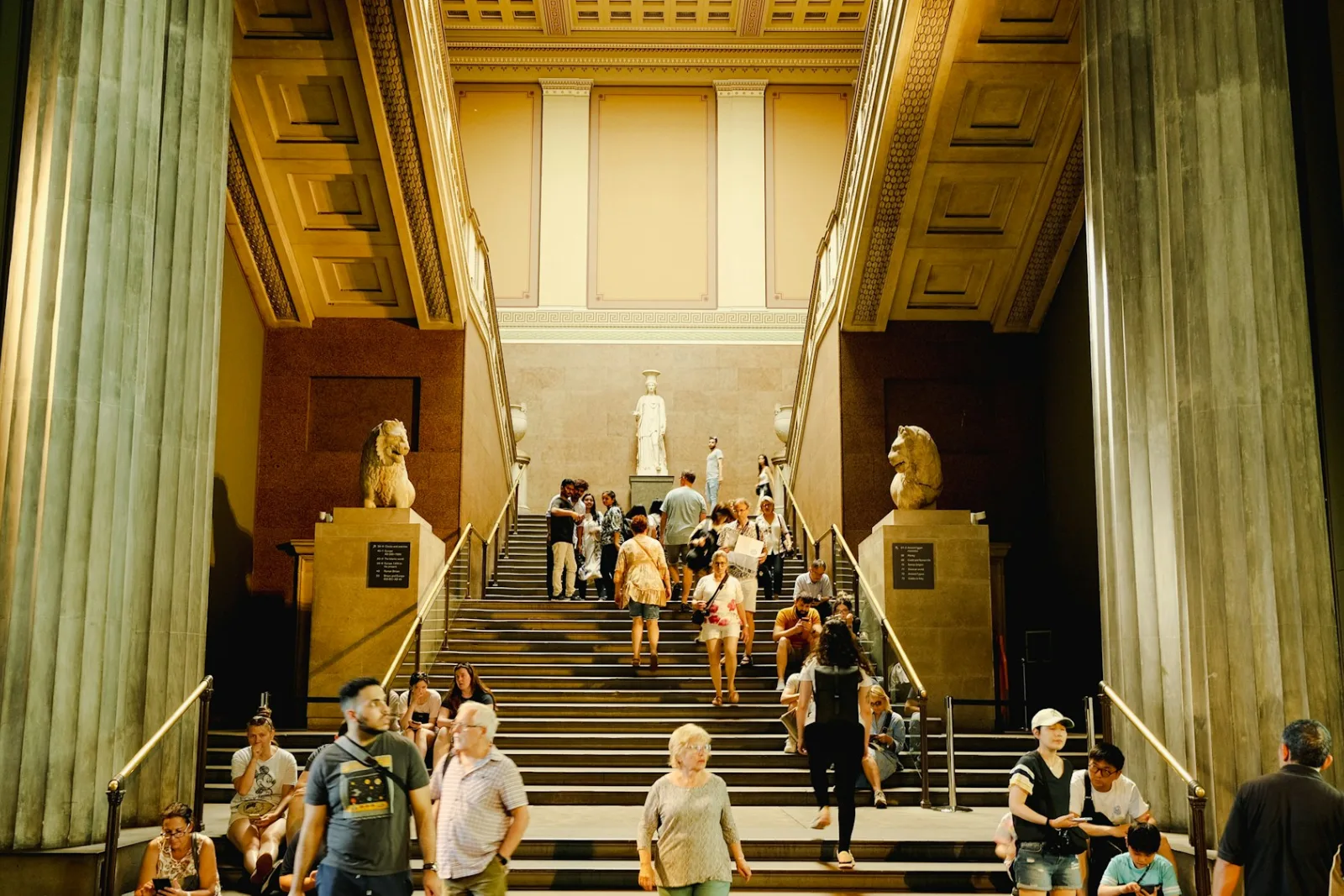
The Grand Egyptian Museum: Tutankhamun’s complete treasure, a short drive from the pyramids. Read the GEM guide →
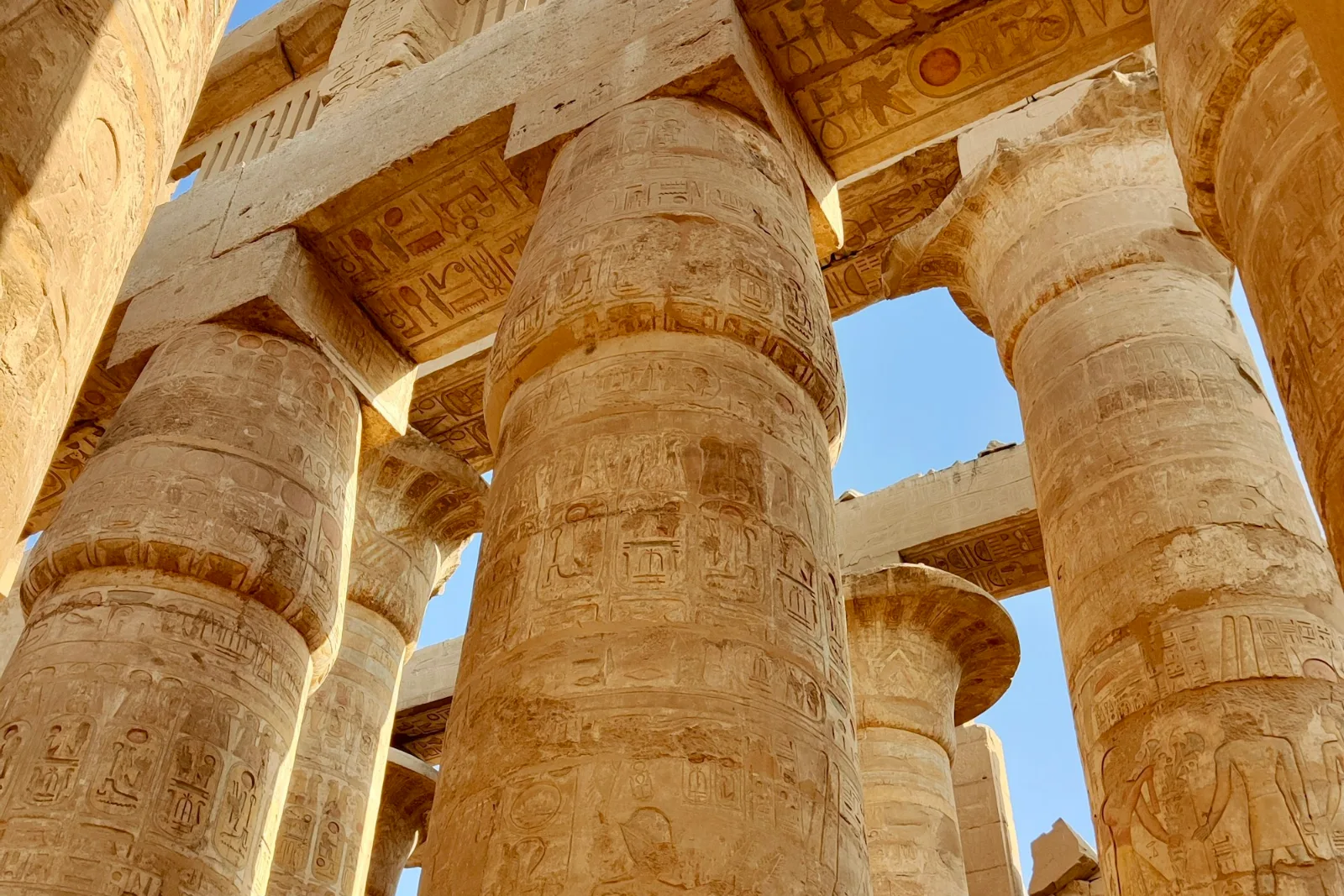
Karnak, Luxor: a forest of 134 columns built for the god Amun. Explore the Cairo & Luxor Express tour →
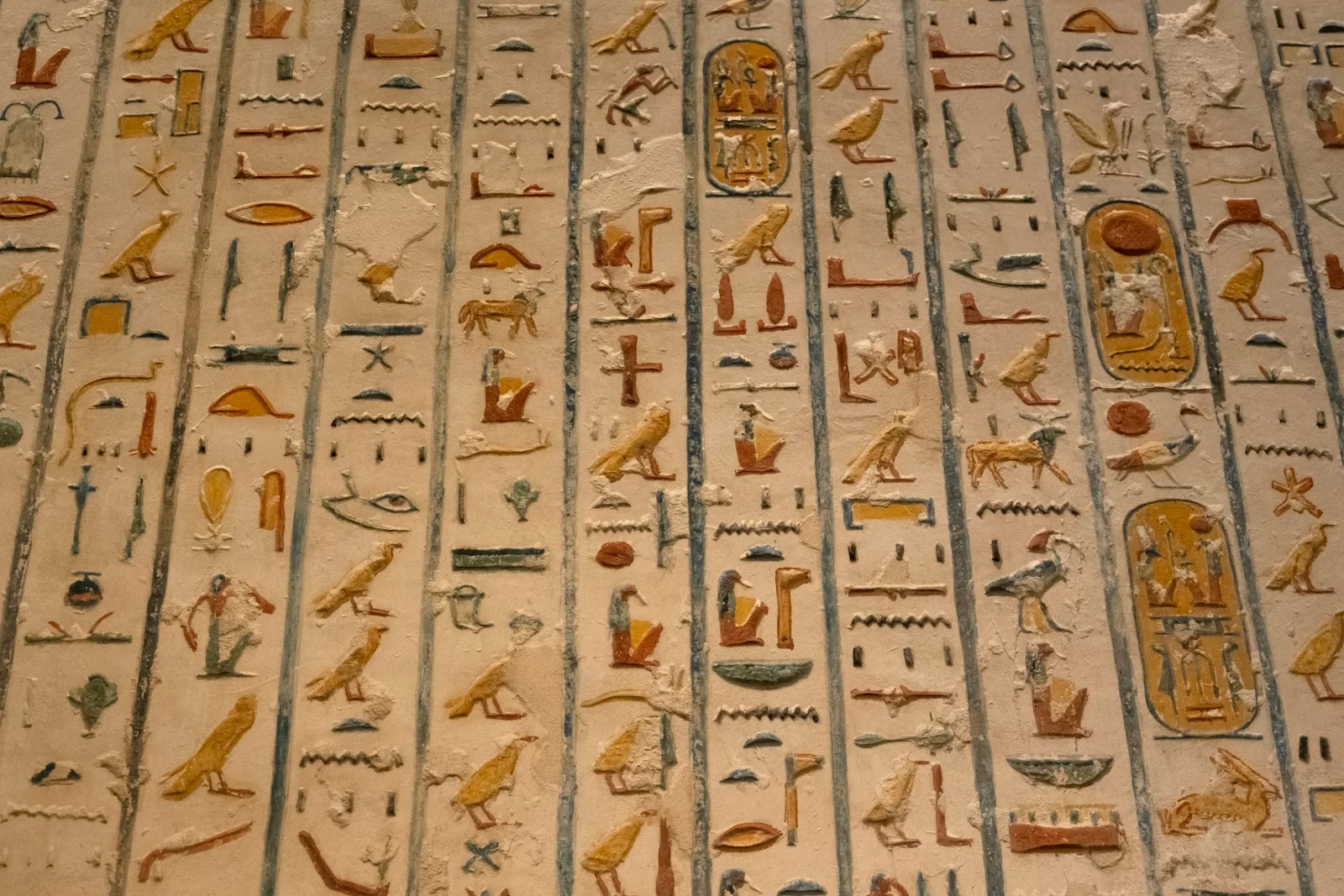
The Valley of the Kings: colours that have survived for over 3,000 years. Read the Valley of the Kings guide →
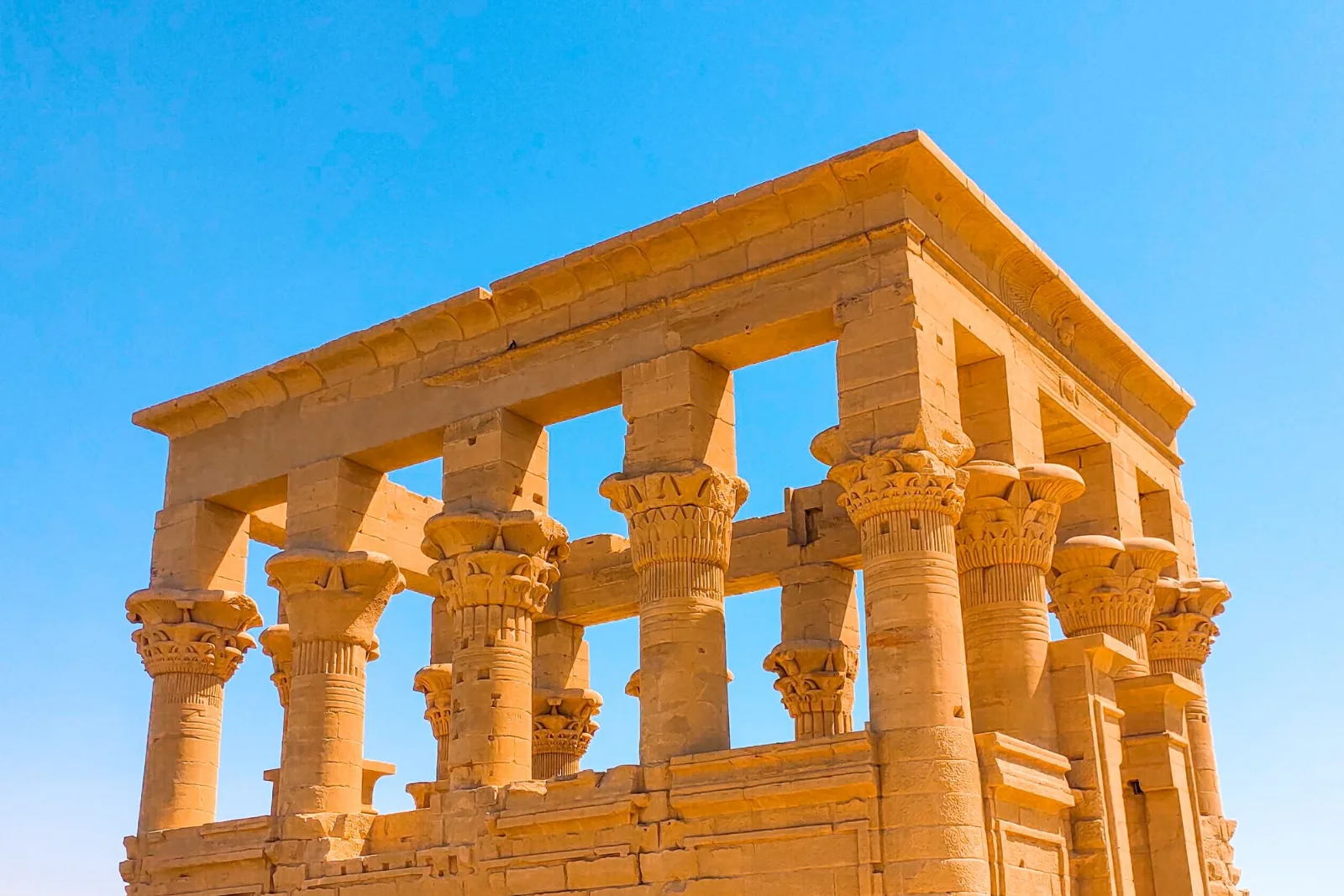
Philae, Aswan: the island temple of Isis, reached by boat. Explore the Pyramids & Nile Cruise Escape →
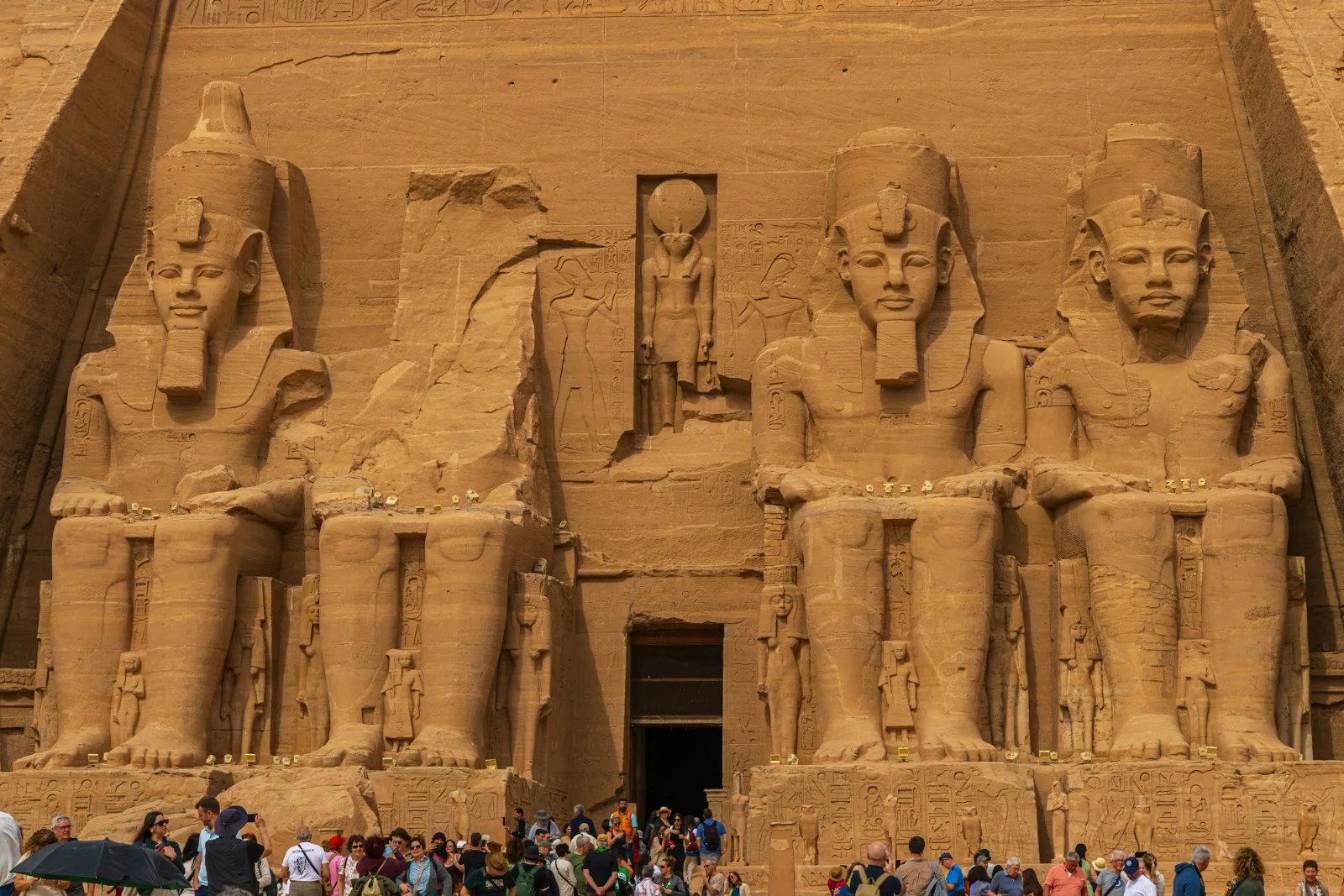
Abu Simbel: an optional excursion on our Best of Egypt tour. Explore Best of Egypt – 8 Days →
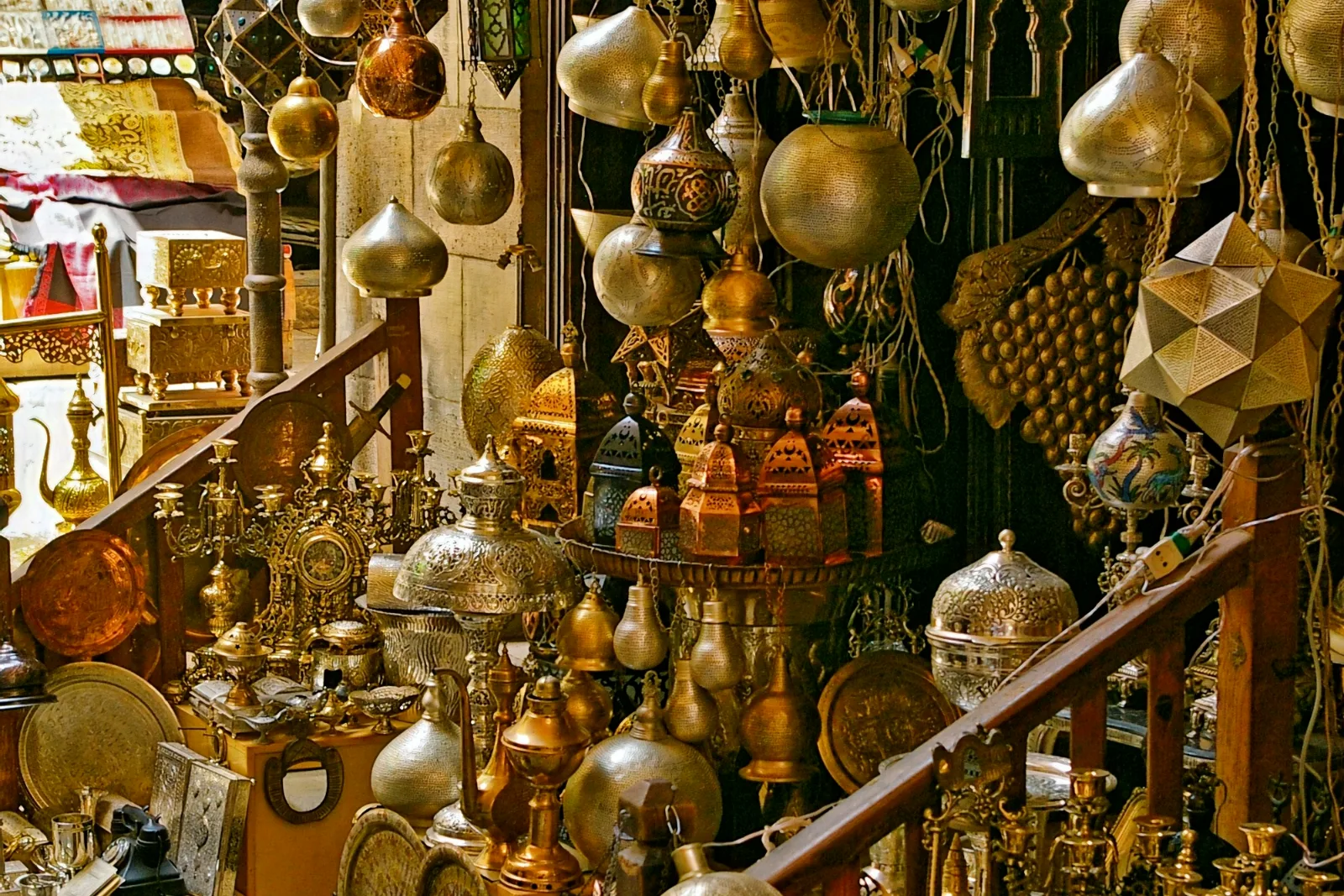
Khan el-Khalili, Cairo: lanterns, spices and mint tea in the old bazaar. Explore the Cairo Stopover tour →

Round-the-clock 24/7 support from expert local guides and a professional customer care team, before and throughout your trip.


Copyright © 2026 Egyptista