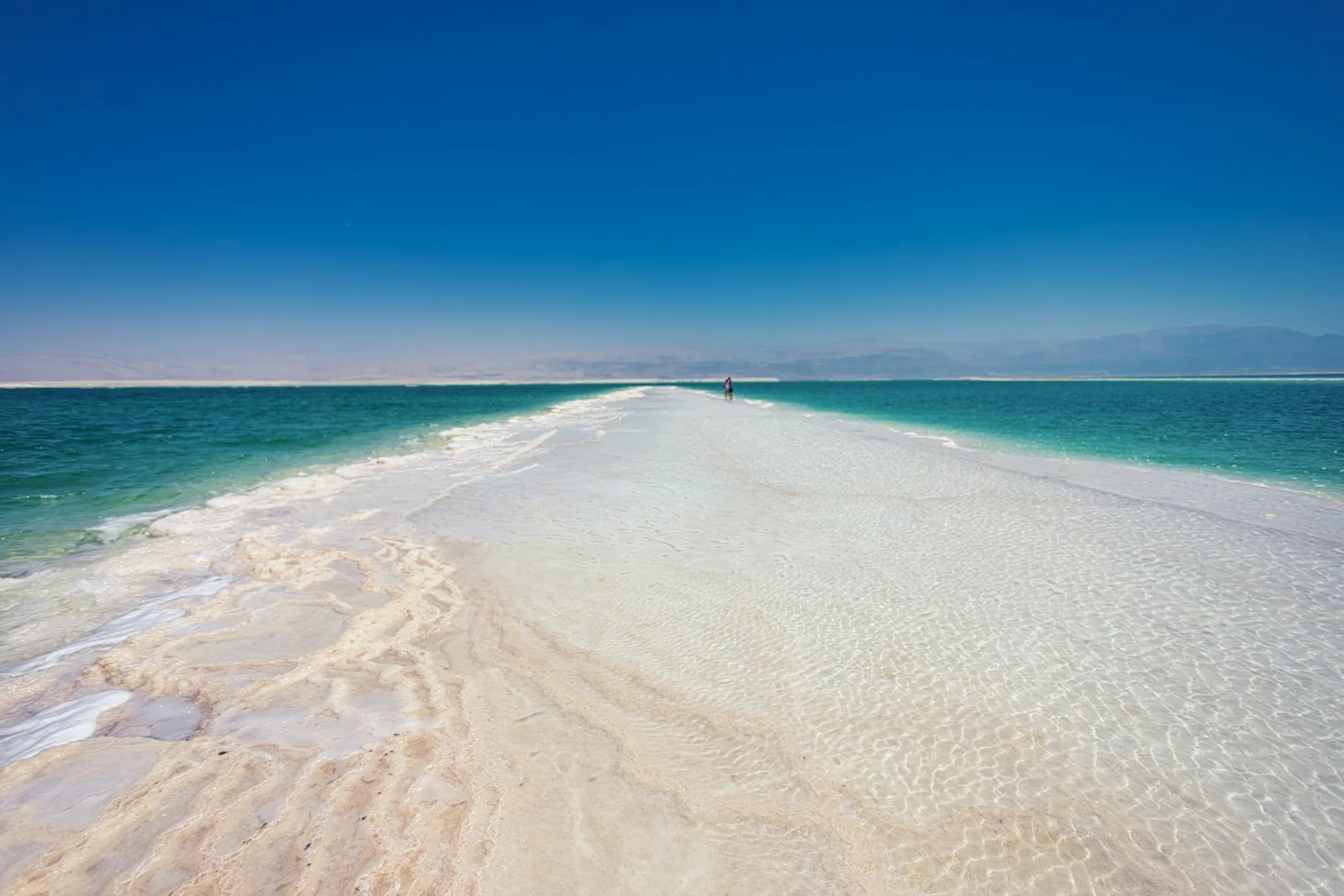
Lie back, lift your feet and the water does the rest. At the Dead Sea you float effortlessly, buoyed by water so dense with salt that you can sit up as if in an armchair. It is one of the most surreal and delightful experiences in the Middle East.
The Dead Sea lies at the bottom of the Jordan Rift Valley. Its shore is the lowest point on land on Earth, more than 430 metres below sea level. Around it, white salt crusts, mineral springs, desert mountains and sites from the Bible create a landscape found nowhere else.
On the Jordanian side, a string of resorts, spas and public beaches makes it easy to visit, whether for an afternoon from Amman or a few days of rest.
The Dead Sea is a terminal lake. It is fed mainly by the Jordan River but has no outlet, so water escapes only by evaporation. Over thousands of years this process has concentrated salts and minerals to extraordinary levels.
People have valued the lake since ancient times for its salt, bitumen and minerals, which were traded across the region. Its shores and the surrounding hills are rich in history. Mount Nebo, the Baptism Site of Jesus at Bethany Beyond the Jordan, and the traditional Cave of Lot near the southern shore are all close by.
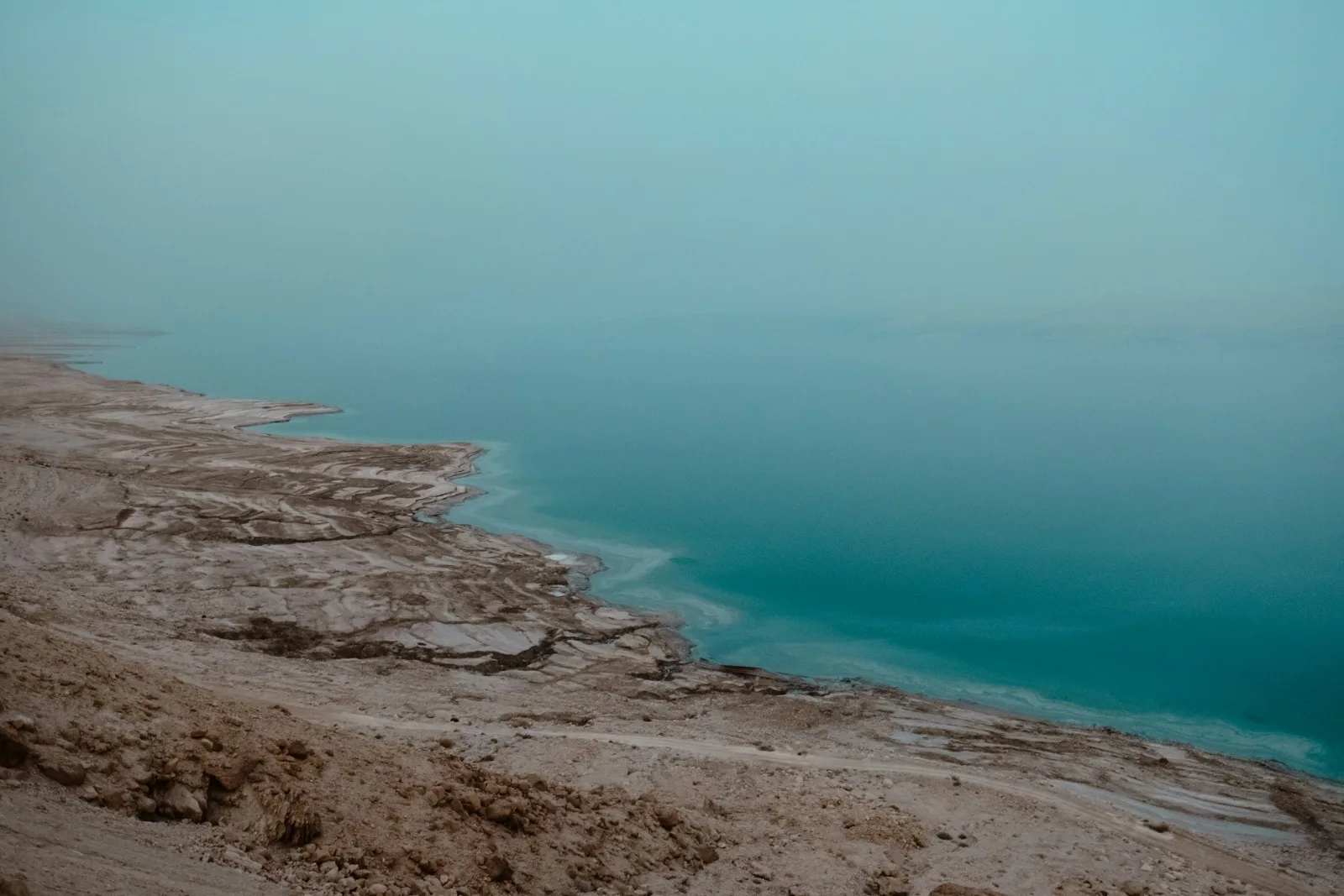
Over recent decades the water level has been falling by about one metre per year, mainly because water from the Jordan River is diverted upstream for agriculture and drinking water. The retreat has exposed new shorelines and created sinkholes in some areas.
The Dead Sea’s attractions are natural rather than built, with some landmarks nearby.
Floating: The salinity is around 34%, almost ten times saltier than the ocean, so everyone floats.
Mineral mud: Black mud from the shore is rich in minerals. Covering yourself in it, letting it dry and washing it off is a Dead Sea ritual.
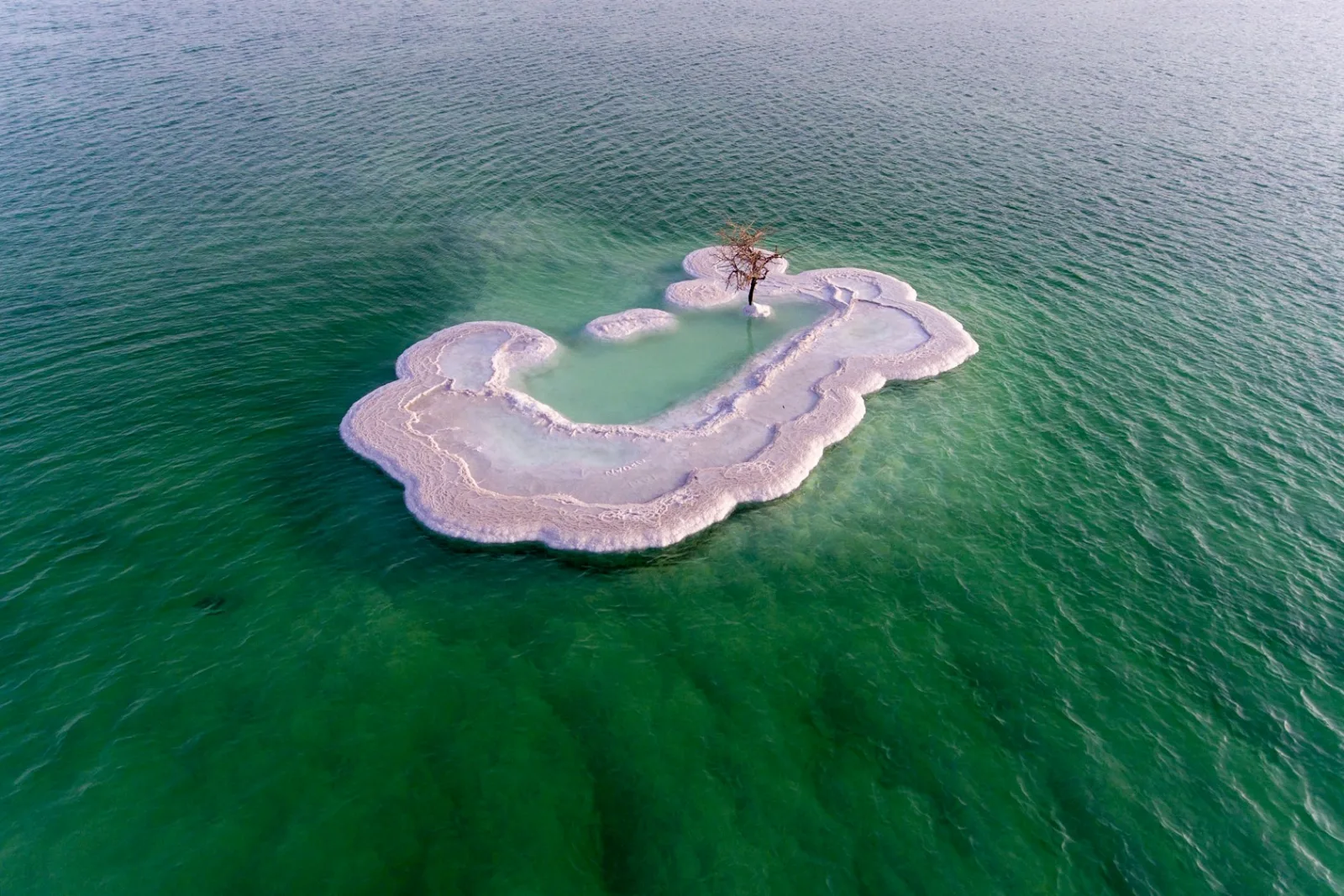
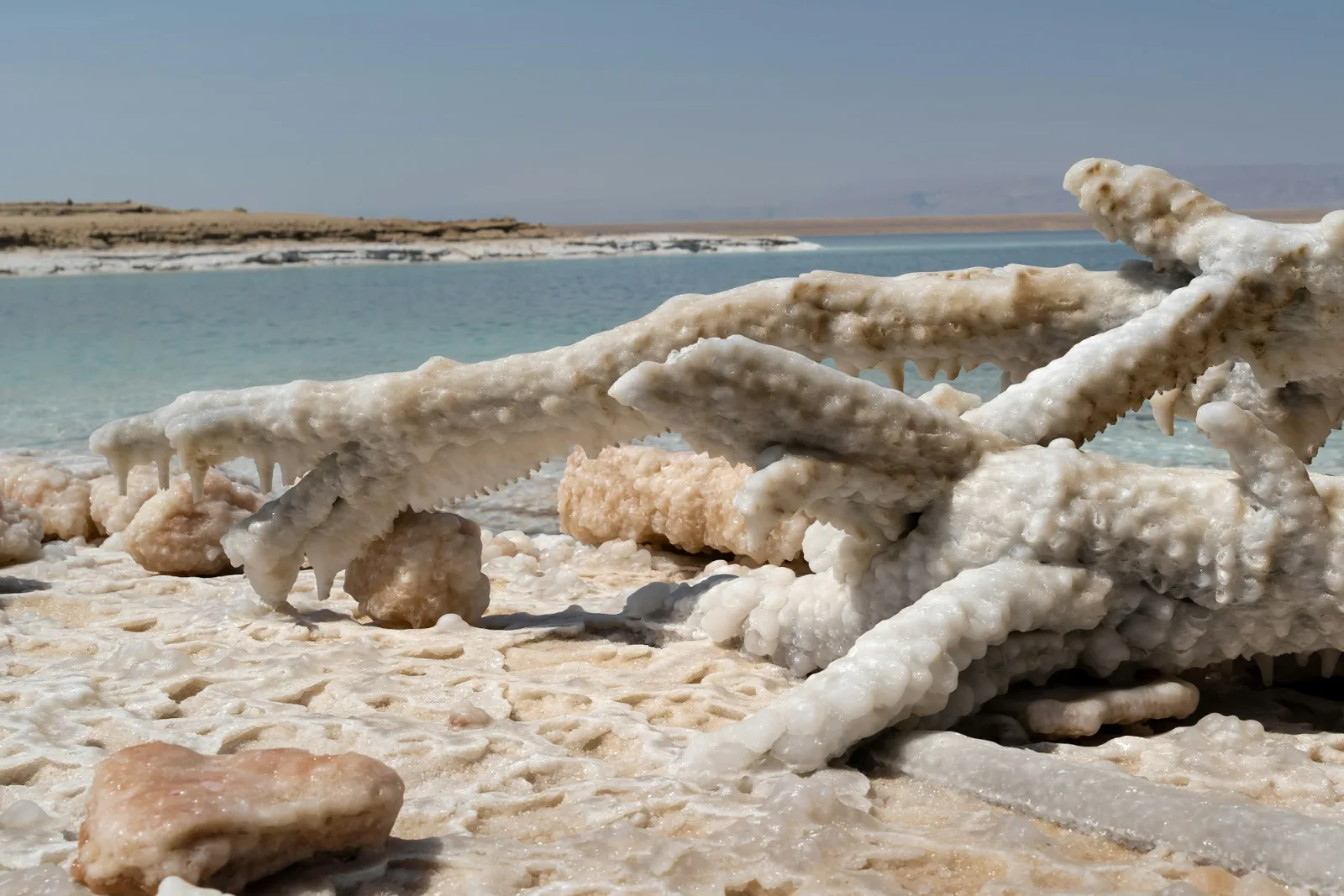
Salt formations: Crystallised salt creates sculptures, crusts and white beaches along the shore.
Resorts and spas: The Sweimeh area on the northern shore has many hotels with private beaches, pools and spa treatments.
Wadi Mujib: Often described as the lowest nature reserve in the world, it is famous for its water-filled canyon trail.
Ma’in Hot Springs: Thermal waterfalls in the hills above the sea.
No fish. Apart from microbes, the extreme salinity means almost no life can survive in the water, which gave the lake its name.
Getting lower every year. Because the level keeps dropping, the lowest point on land on Earth is literally getting lower.
Salt you can stand on. In places the salt forms thick crusts and pillars along the beach.
A museum at the lowest point. The Museum at the Lowest Place on Earth, near the southern shore, tells the region’s story from prehistory.
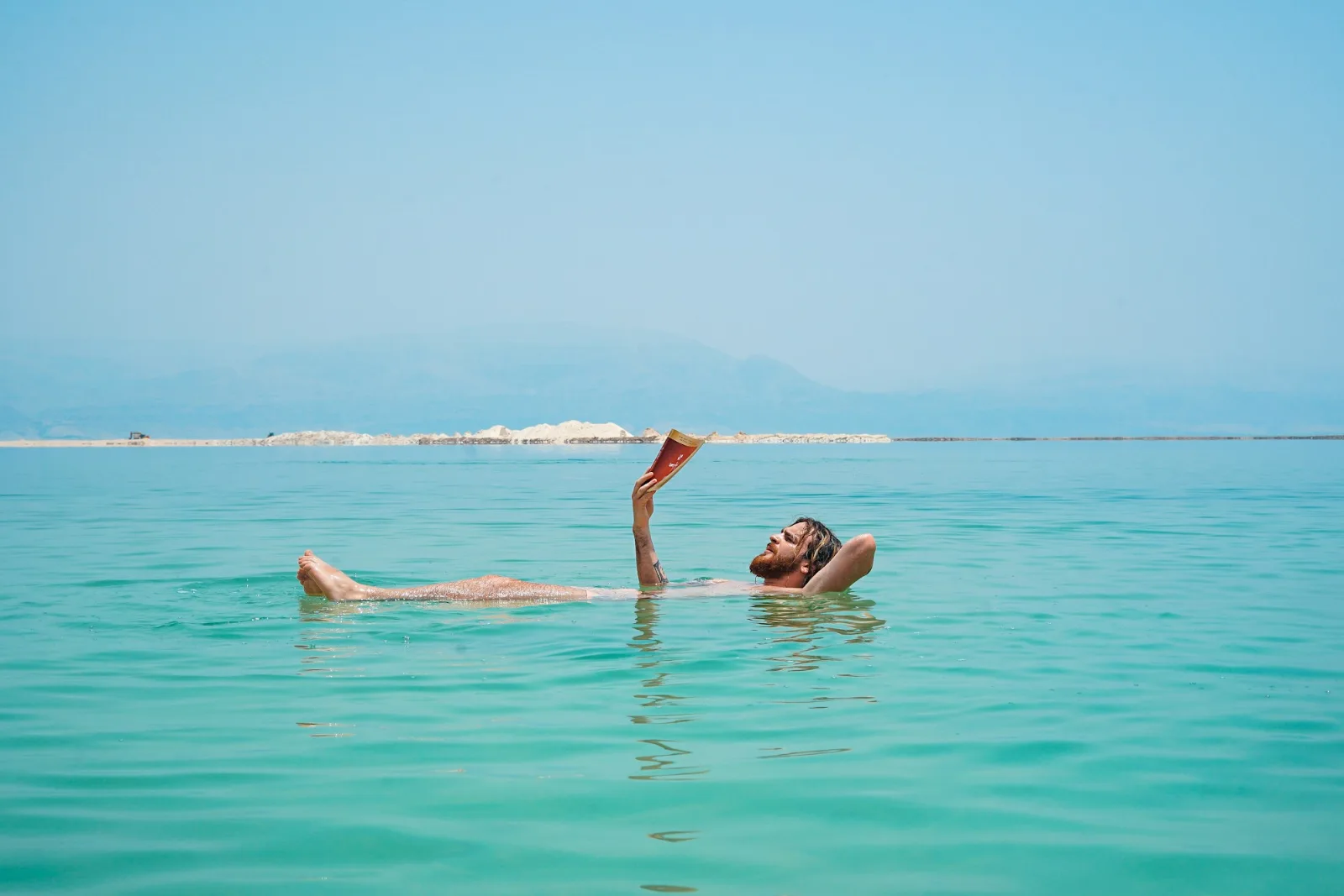
Float for 10–20 minutes at a time, then rinse off in the beach showers.
Try a mud treatment on the beach or in a resort spa.
Enjoy the sunset over the hills on the opposite shore.
Hike Wadi Mujib’s Siq Trail when it is open, usually during the warmer months.
Visit the Baptism Site at Bethany Beyond the Jordan, a UNESCO World Heritage Site.
Drive up to Mount Nebo, where tradition says Moses saw the Promised Land.
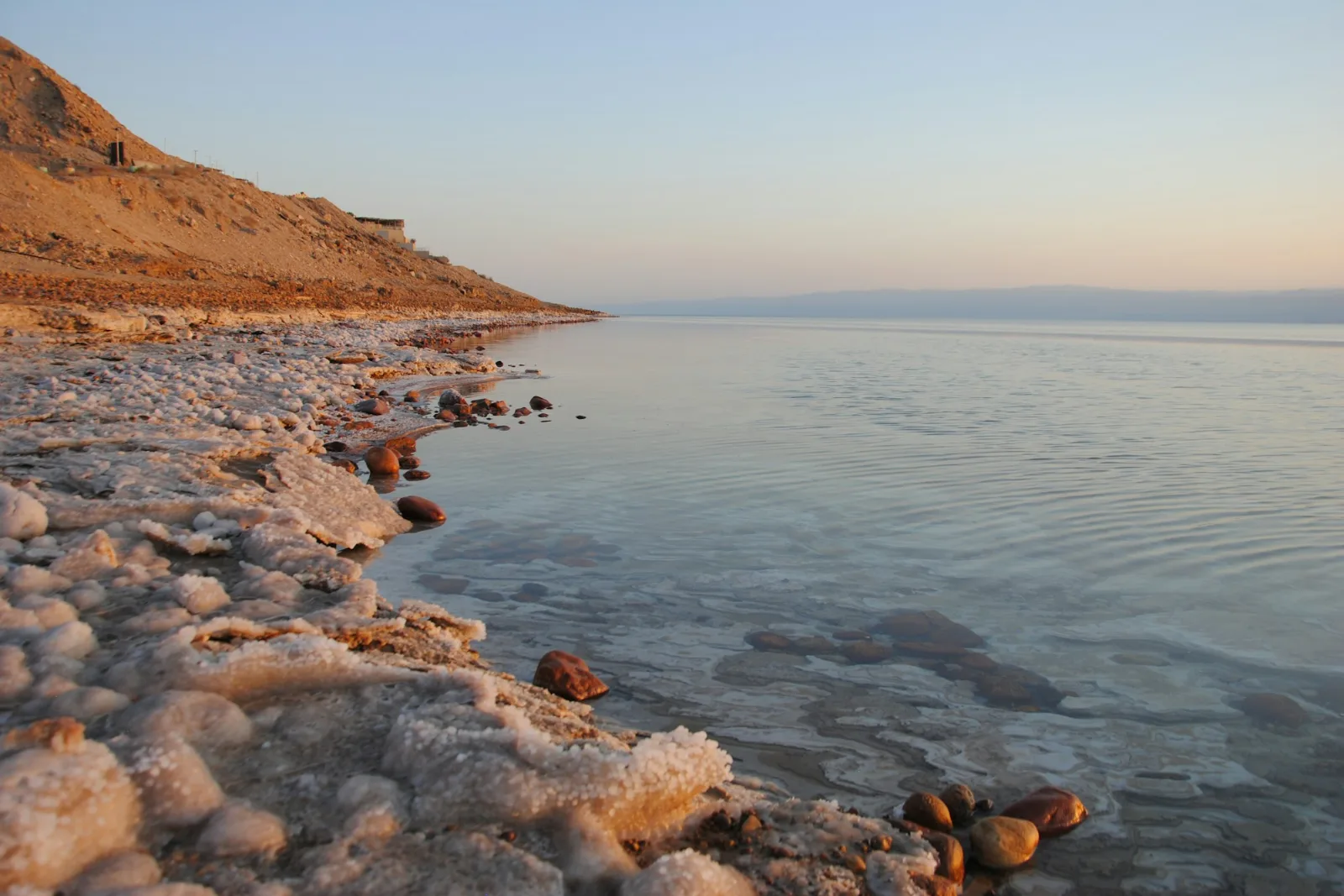
The Dead Sea is warm for much of the year. Spring (March to May) and autumn (September to November) offer the best balance of warm water and comfortable air temperatures. Winter is mild and pleasant for floating on sunny days. Summer is extremely hot, so visit early in the morning or late in the afternoon.
Late afternoon is especially beautiful, as the light softens over the water.
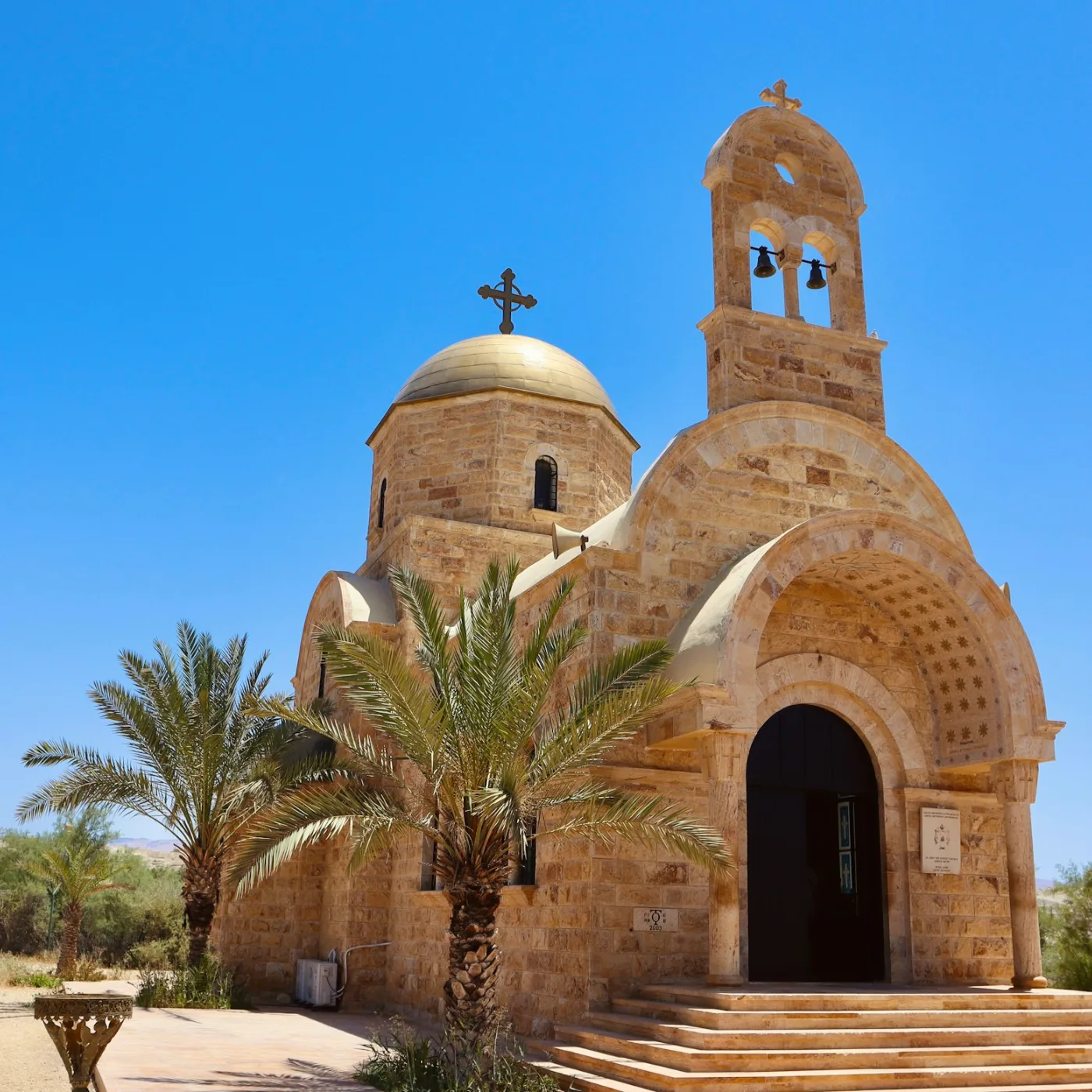
The Jordanian shore of the Dead Sea is about 50 km south-west of Amman, roughly 45–60 minutes by car.
From Amman: Taxis, private drivers and day tours are the easiest options.
From Queen Alia International Airport: About an hour’s drive.
From Petra or Aqaba: Take the Dead Sea Highway along the shore for a scenic route.
Where to swim: Use a resort day pass or a public beach with lifeguards, showers and facilities. Avoid unofficial access points, as the shoreline can be unstable.
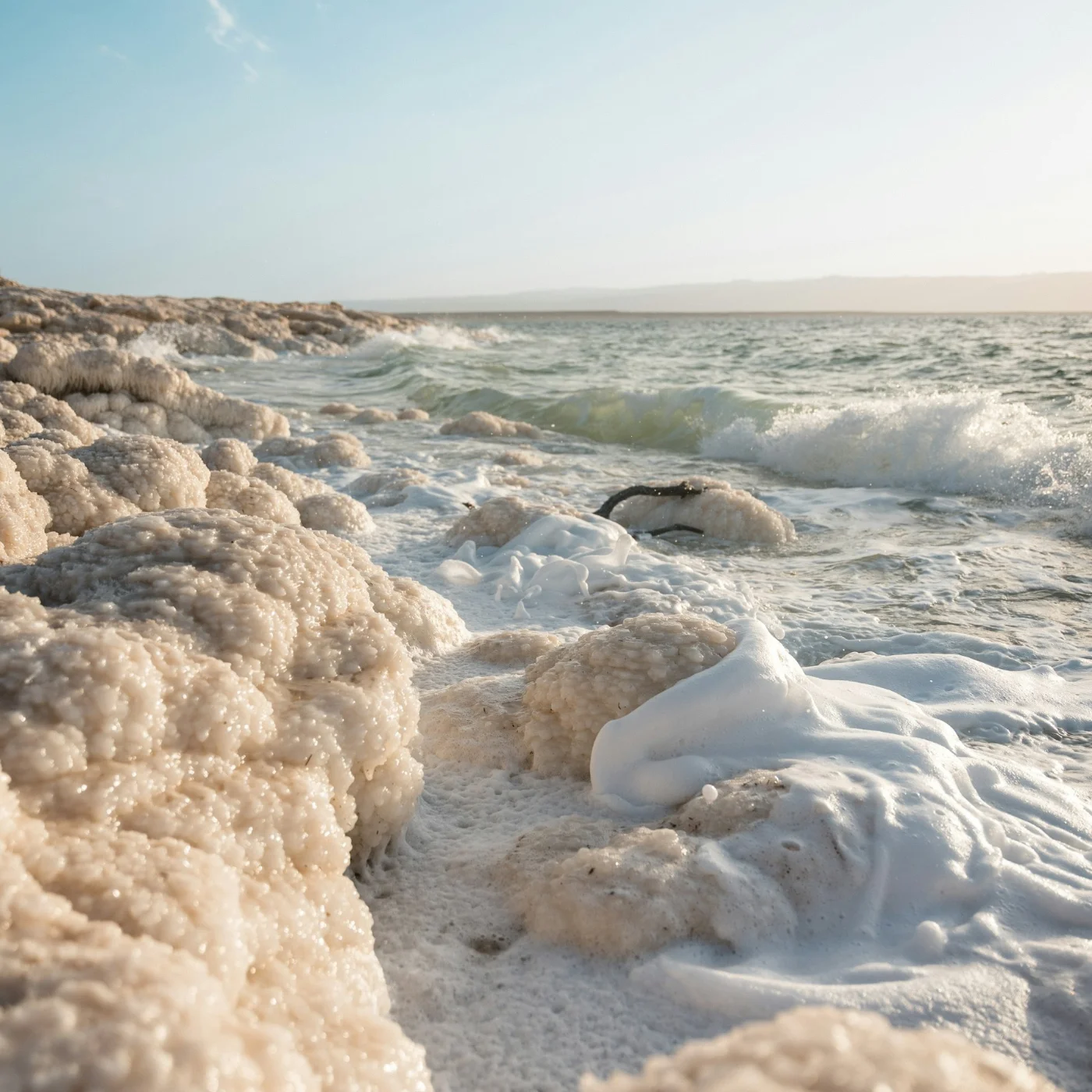
The lowest point on land. The shore of the Dead Sea lies about 430 metres below sea level, the lowest place on the surface of the Earth.
Floating effortlessly. The water is almost ten times saltier than the ocean, so you float without even trying. Lying back and reading a newspaper on the water is a classic photo.
Mineral-rich mud. The dark mud along the shore is full of minerals. Covering yourself in it, letting it dry in the sun and rinsing off is part of the experience.
Salt sculptures. Along the shore, salt crystallises into white formations on rocks and pebbles, creating unusual landscapes.
Nearby wonders. Close by are the Baptism Site at Bethany Beyond the Jordan, a UNESCO World Heritage Site, and the dramatic Wadi Mujib canyon. In the evening, sunsets over the water are unforgettable. Combine it with madaba-mount-nebo.
Access: There is no single ticket for the Dead Sea. Visitors use hotel beaches, resort day passes or public beaches.
Prices: Day-pass and beach fees vary by resort and season and often include showers and pool access. Ask your hotel or tour operator for current prices.
Nearby sites: Mount Nebo and the Baptism Site have their own entrance tickets. Some are included in the Jordan Pass.
Safety tips: - Never put your head underwater or splash, as the water stings the eyes badly and is harmful if swallowed. - Do not shave for a day before swimming, and cover small cuts. - Wear water shoes, because salt crystals are sharp. - Drink plenty of fresh water, rinse off after swimming and keep a close eye on children.
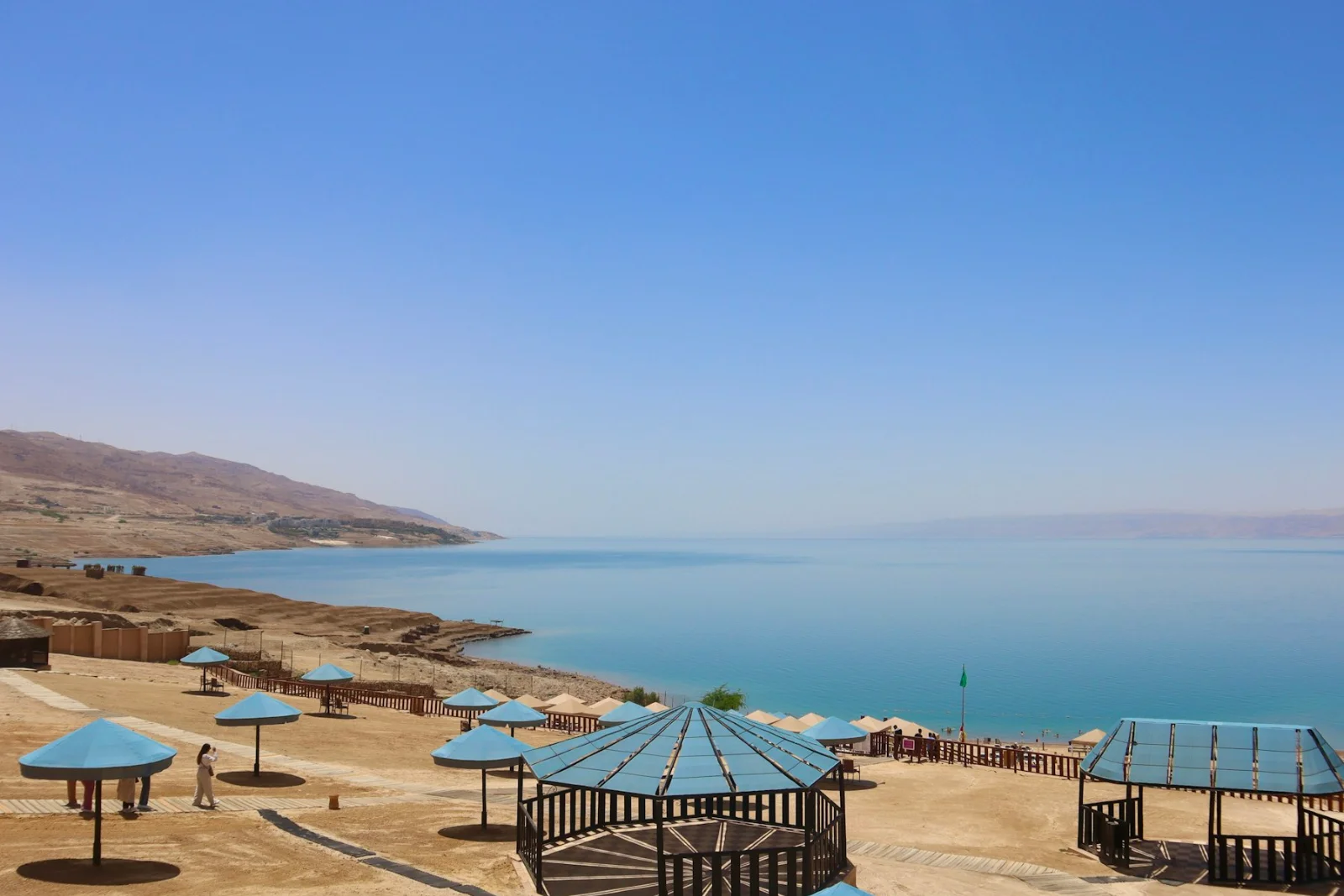
The classic photo is someone floating and reading a newspaper or a book on the water.
The white salt formations along the shore create beautiful patterns, especially in the morning.
At sunset, the mountains on the other side of the sea turn pink and gold.
Nowhere else on Earth lets you float so effortlessly while gazing at desert mountains. The Dead Sea is the perfect place to slow down after the trails of Petra and Wadi Rum. It combines a unique natural phenomenon with wellness traditions and some of the most significant religious sites in the region.
Petra: Jordan’s legendary Nabataean city.
Wadi Rum: red dunes, desert camps and starry nights.
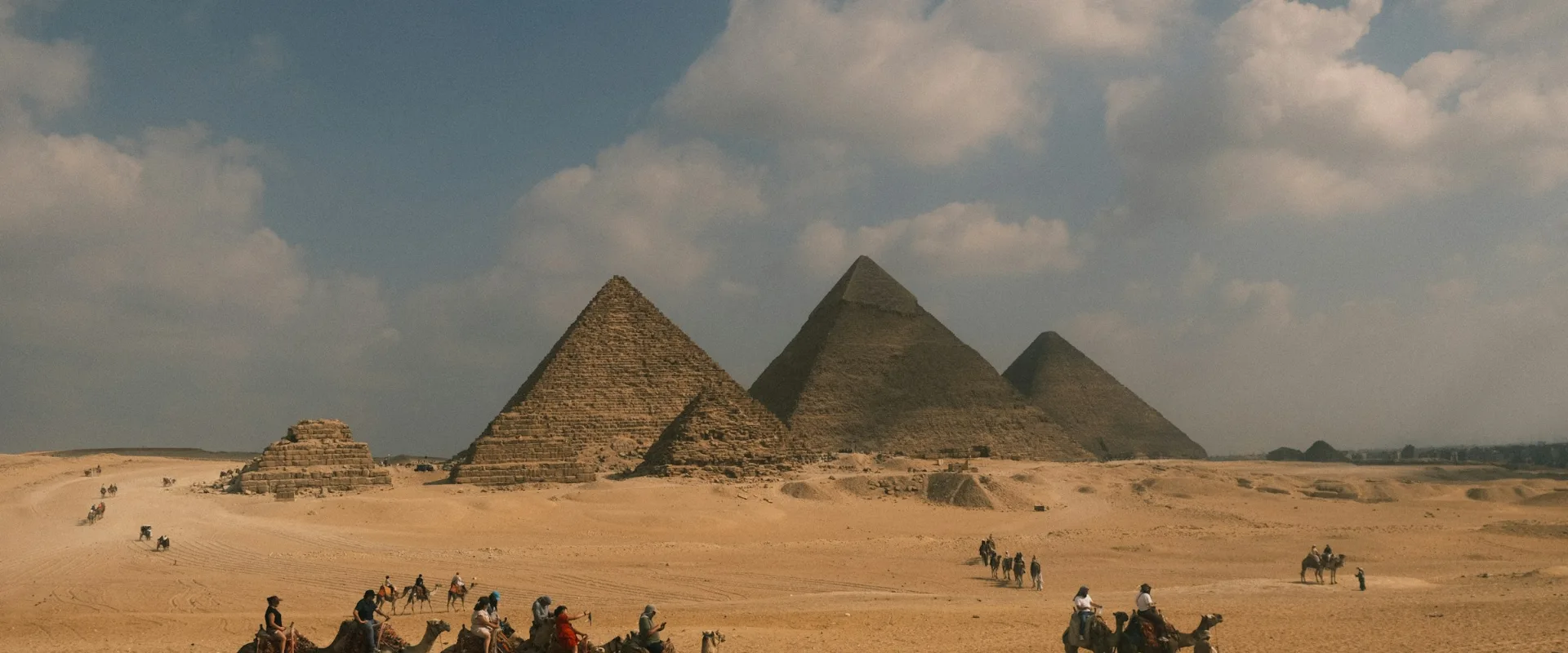
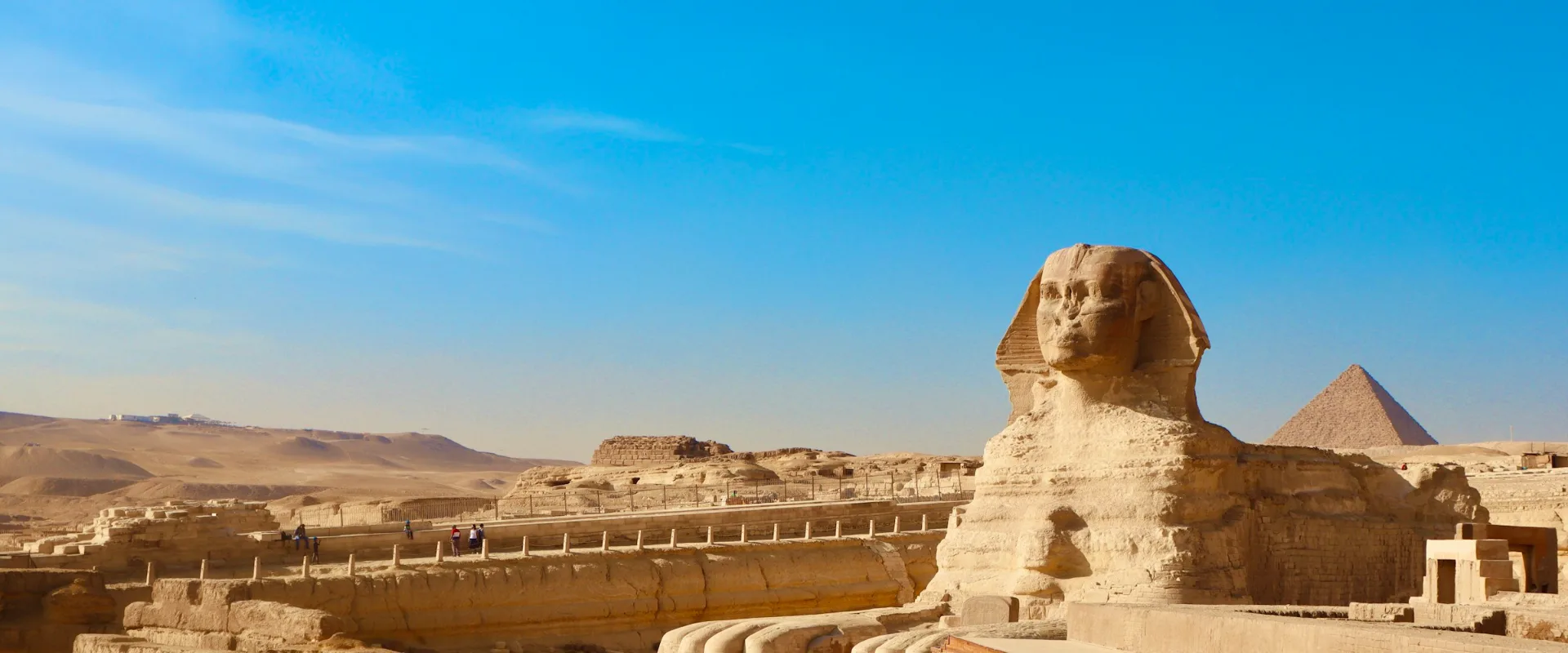
The Great Pyramids of Giza: combine Jordan with Egypt on a multi-country trip.
Khan el-Khalili Bazaar: end your journey in historic Cairo.

Round-the-clock 24/7 support from expert local guides and a professional customer care team, before and throughout your trip.


Copyright © 2026 Egyptista