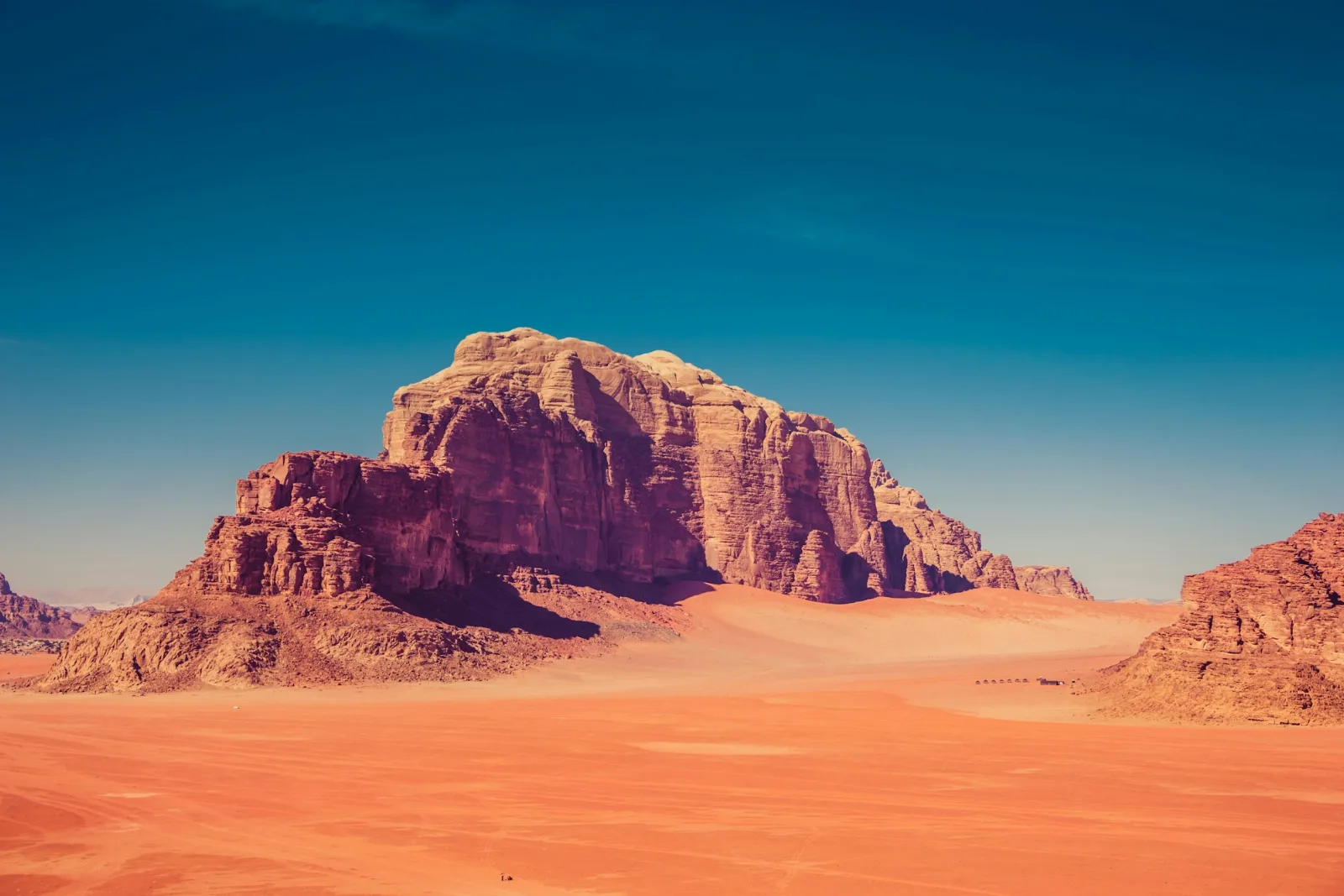
Wadi Rum does not look like an ordinary desert. Sheer mountains of sandstone and granite rise straight out of rust-red sand, carved by wind into arches, domes and canyons.
At sunset the cliffs turn crimson, and after dark the sky fills with more stars than most visitors have ever seen. It is no surprise that filmmakers have used it to stand in for Mars and distant worlds.
Known as the Valley of the Moon, Wadi Rum is also a human landscape. People have lived and travelled here for thousands of years, leaving rock drawings and inscriptions on its cliffs. Today it is home to Bedouin communities who guide visitors across the sands.
The Wadi Rum Protected Area was inscribed on the UNESCO World Heritage List in 2011 for both its natural and cultural value.
Archaeologists have found evidence of human activity in Wadi Rum stretching back around 12,000 years. UNESCO notes about 25,000 rock carvings and 20,000 inscriptions in the protected area. These were left by hunters, herders and caravan travellers in scripts such as Thamudic and Nabataean.
The Nabataeans, builders of Petra, worshipped here too. The remains of a Nabataean temple can still be seen near Rum Village.
During the Arab Revolt of 1916–1918, the British officer T. E. Lawrence travelled through Wadi Rum with the forces of Prince Faisal. He described its grandeur in his memoir *Seven Pillars of Wisdom*, and several sites now carry his name.
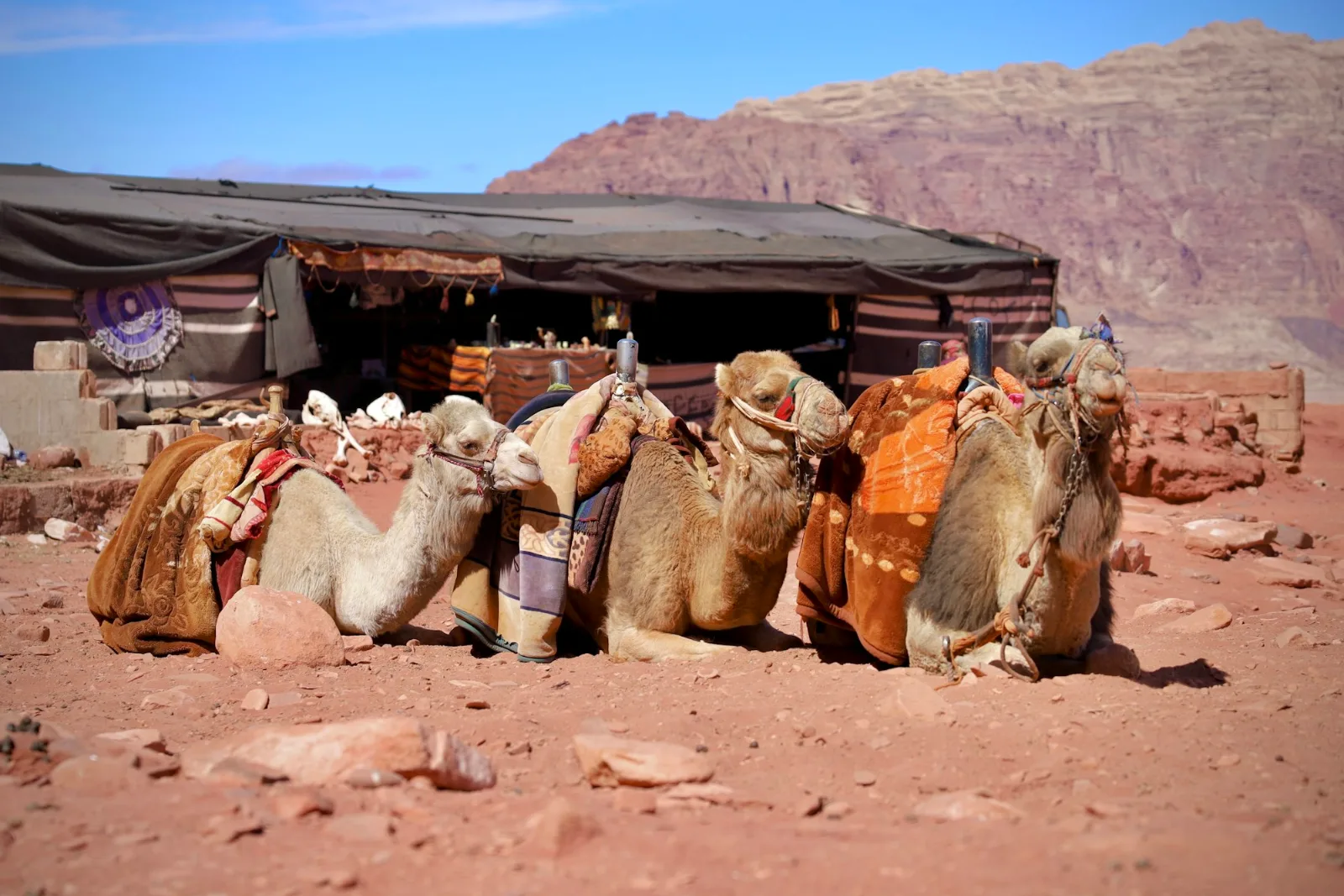
Local Bedouin tribes, especially the Zalabia, live in and around Rum Village. They run most of the camps, jeep tours and camel treks, so a visit directly supports the local community.
Wadi Rum’s “architecture” was shaped by nature, with a few human touches.
The Seven Pillars of Wisdom: A massive rock formation near the visitor centre, named after Lawrence’s book.
Khazali Canyon: A narrow cleft in the mountain with ancient inscriptions and carvings of people and animals.
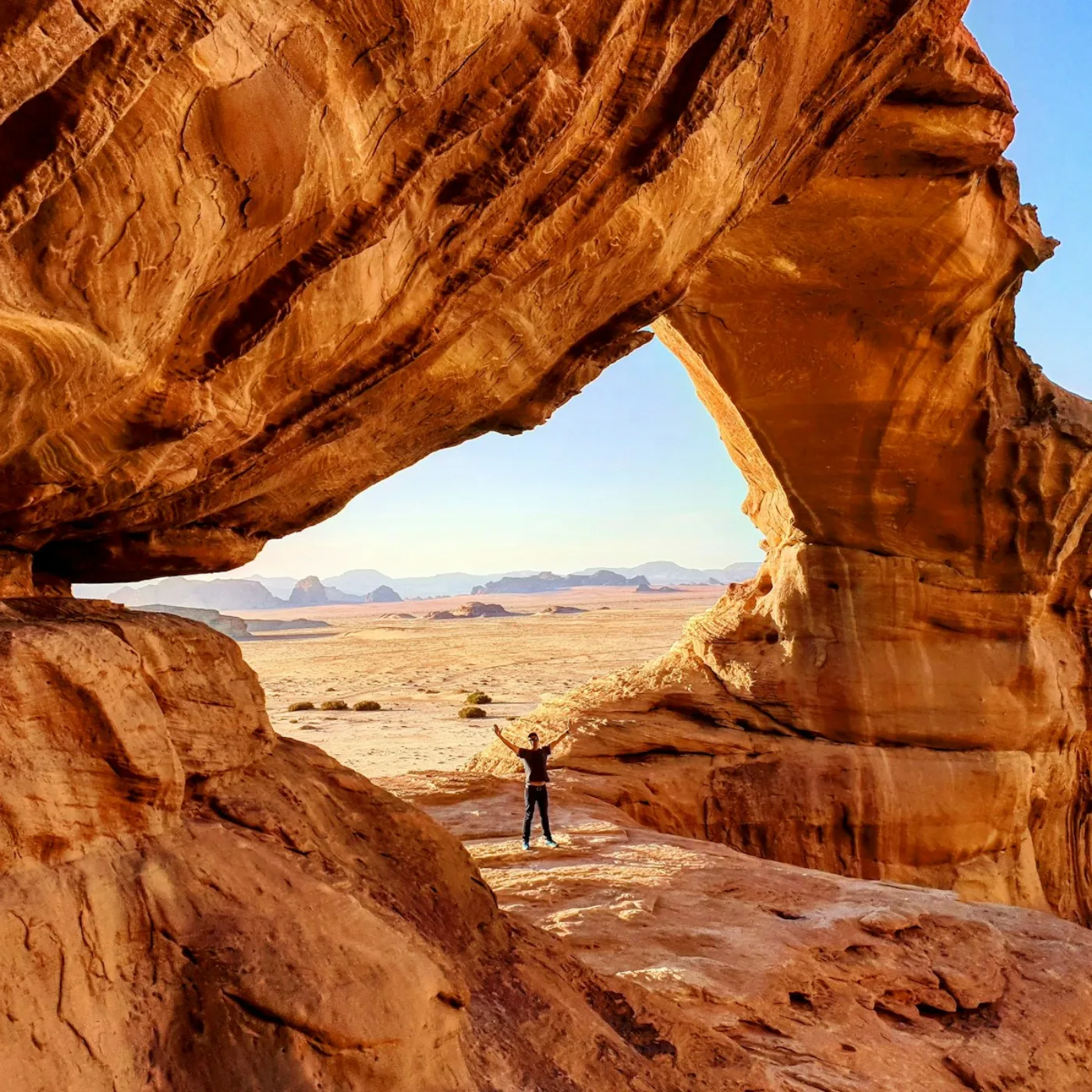
Burdah and Um Fruth rock bridges: Natural arches. Um Fruth is easy to climb, while Burdah requires a guided hike.
Lawrence’s Spring: A spring high on the mountainside, with views over the valley.
The red sand dunes: Perfect for climbing and sandboarding.
Jabal Umm ad-Dami: On the region’s southern edge, Jordan’s highest mountain at about 1,854 metres, with views towards Saudi Arabia from the summit.
A film-maker’s favourite. Wadi Rum has appeared in *Lawrence of Arabia* (1962), *The Martian* (2015), *Rogue One: A Star Wars Story* (2016) and *Dune* (2021), among many others.
A double World Heritage Site. It is one of only a few places in the region recognised by UNESCO for both nature and culture.
Colourful sands. Iron oxides give the sand its shades of red and orange, which change throughout the day.
Wildlife in the desert. The protected area supports hardy species including foxes, hyraxes and many birds, as well as the reintroduced Arabian oryx in the wider region.
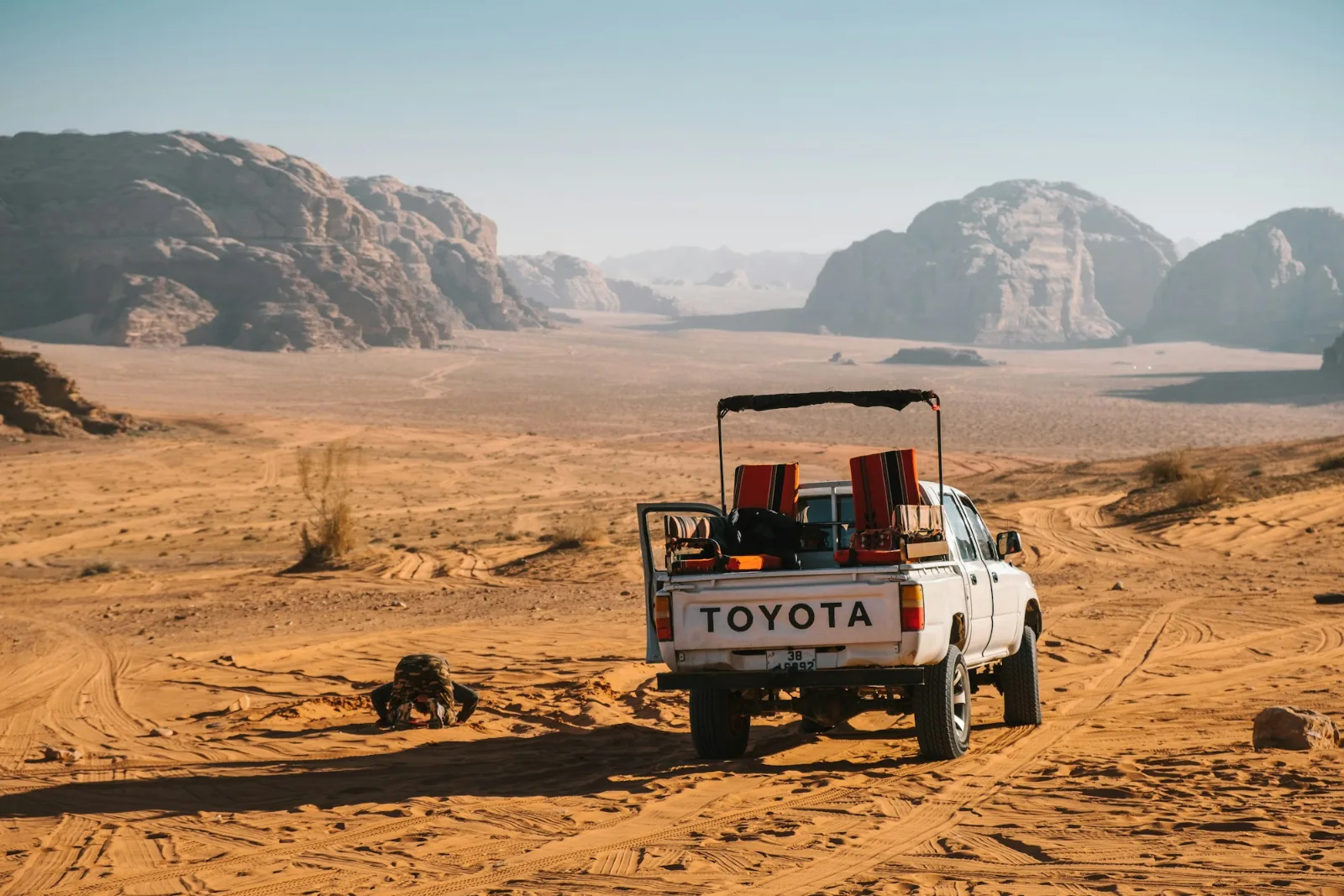
Take a 4x4 jeep tour with a Bedouin driver, lasting from two hours to a full day.
Ride a camel for a slower, more traditional journey across the sand.
Spend a night in a desert camp, from simple Bedouin tents to comfortable glamping domes with private bathrooms.
Taste zarb, the Bedouin barbecue of meat and vegetables slow-cooked in an underground pit.
Go stargazing far from city lights.
Fly in a hot air balloon at sunrise, weather permitting.
Hike or climb with a licensed local guide.
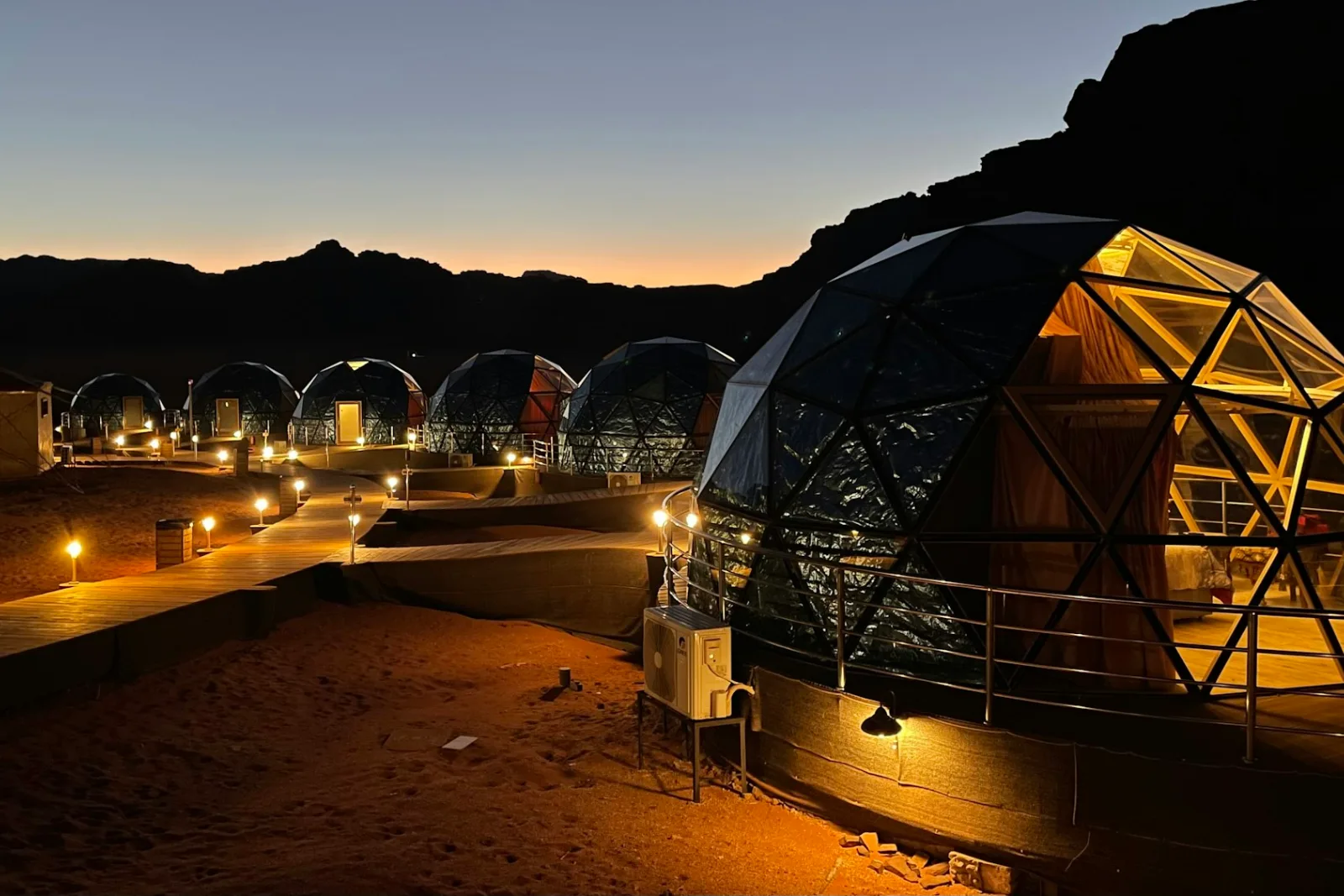
The best seasons are spring (March to May) and autumn (September to November), with warm days and pleasant evenings. Summer days are very hot, though nights remain cooler. In winter, days are mild but nights can drop close to freezing, so bring warm layers if you are camping.
The magic hours are sunrise and sunset, when the mountains glow red. Spend at least one night to experience the desert at its quietest.
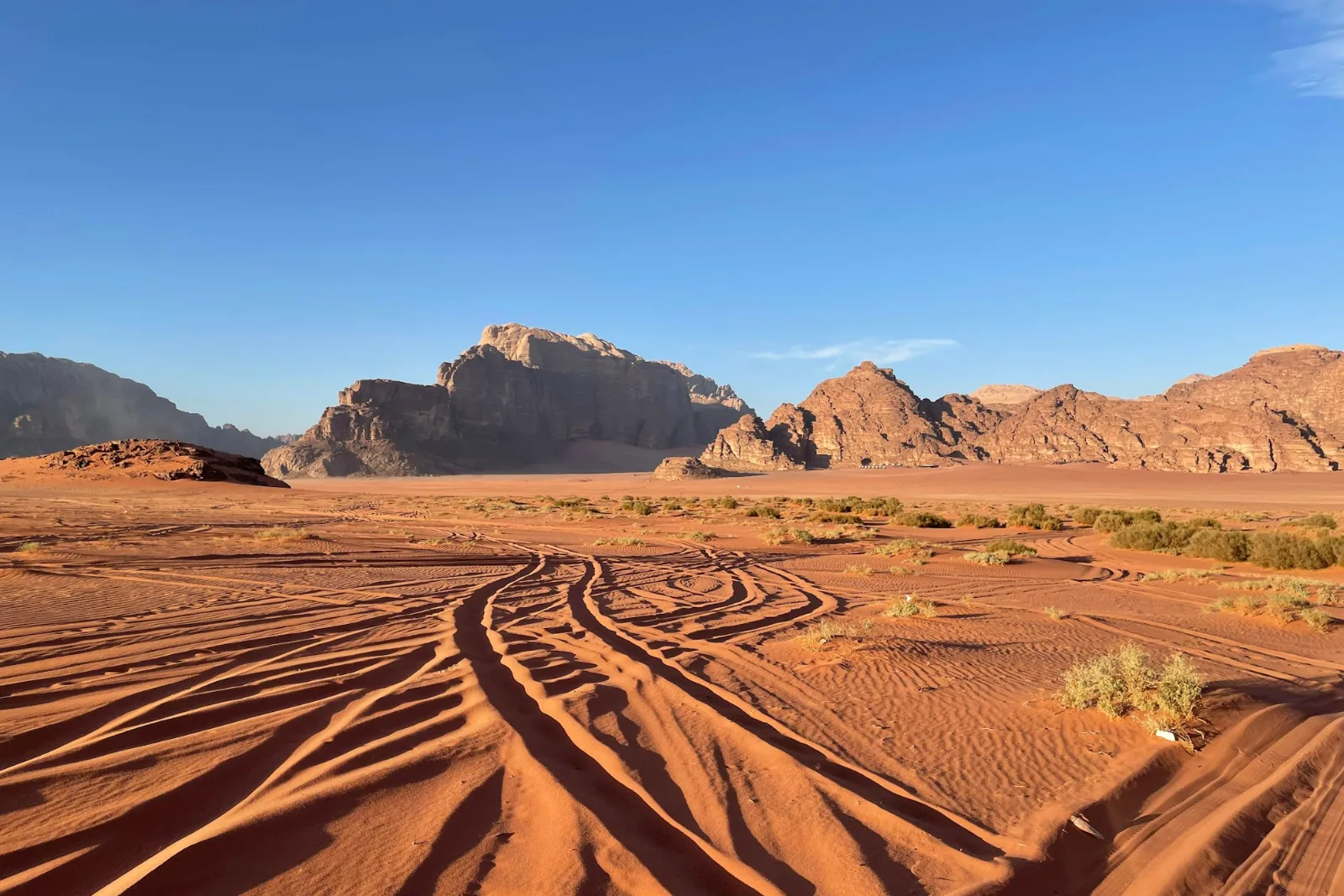
Wadi Rum is in southern Jordan, about 60 km north-east of Aqaba and roughly 110 km south of Petra.
From Aqaba: About one hour by car.
From Petra (Wadi Musa): About 1.5–2 hours by road, making a Petra and Wadi Rum combination very easy.
From Amman: Around four hours via the Desert Highway.
On arrival: All visitors pass through the Wadi Rum Visitor Centre, where most camps and guides meet their guests.
Lawrence’s Spring. A small spring in the rocks is linked to T. E. Lawrence, who described Wadi Rum in his book Seven Pillars of Wisdom.
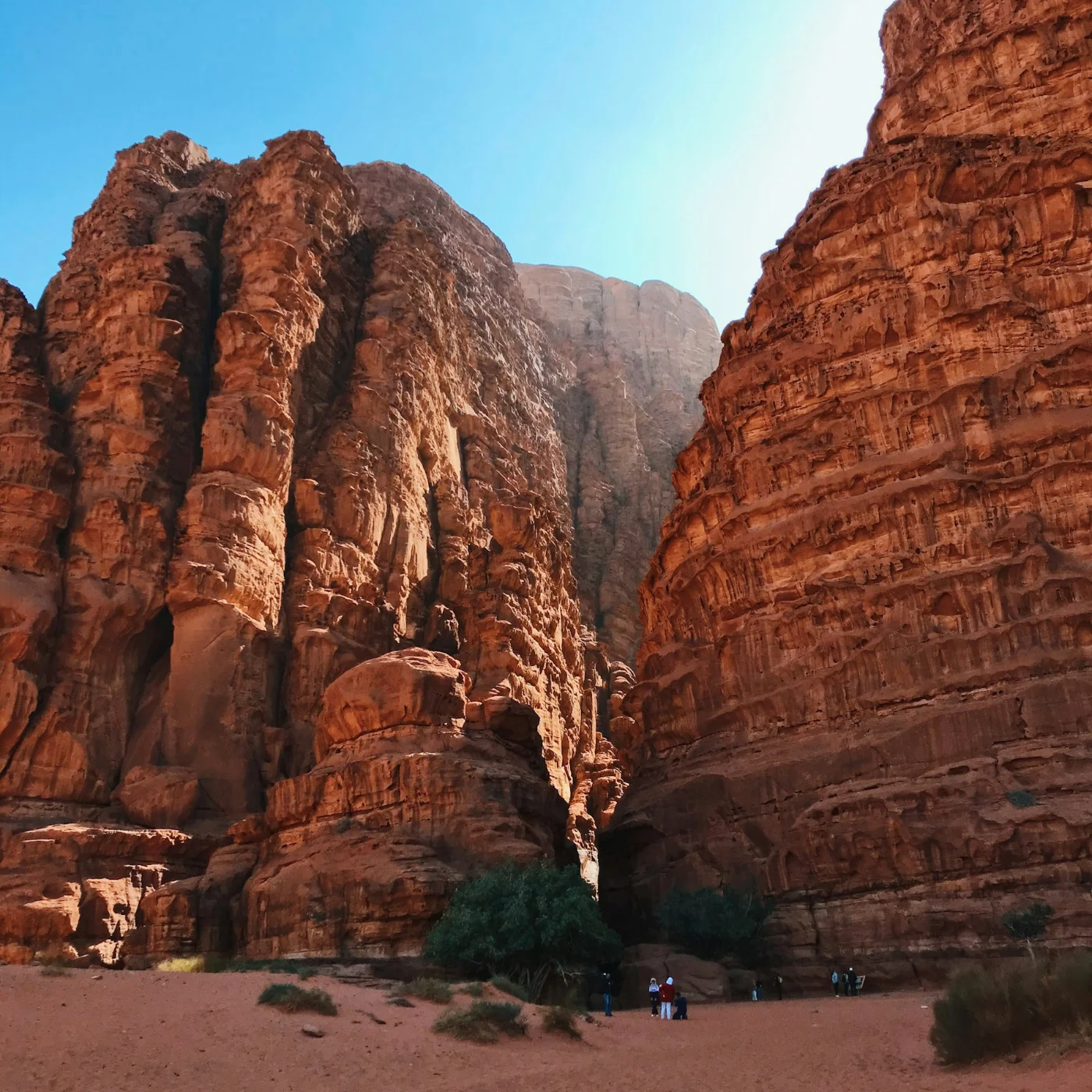
The Seven Pillars of Wisdom. Near the visitor centre, a huge mountain with deep vertical grooves was named after his book and is one of the first landmarks you see.
Khazali Canyon. Inside this narrow cleft you can see ancient Thamudic and Nabataean inscriptions and drawings of people and animals carved into the rock.
Rock bridges. Um Fruth and the higher Burdah arch are natural stone bridges sculpted by wind. Climbing Um Fruth gives one of the most famous photos in the desert.
A movie star landscape. The red sands have stood in for the planet Mars in films such as The Martian. At night, the clear skies make it one of the best places in Jordan for stargazing. Continue to Petra or relax at the Dead Sea.
Entry fee: Usually around 5 JD per person, paid at the visitor centre. It is included in the Jordan Pass.
Tours and camps: Book with licensed local operators and camps registered in the protected area.
Visitor centre: This is where you register, buy entry and meet your guide.
The entry fee is the commonly published rate in 2026, but we could not confirm it on an official website. Please confirm it on arrival or with your tour operator.
Tips: - Bring sun protection, a scarf against the wind and warm clothes for the evening. - Stick to existing vehicle tracks and never remove rocks, plants or artefacts. - Respect local customs, and dress modestly in the village.
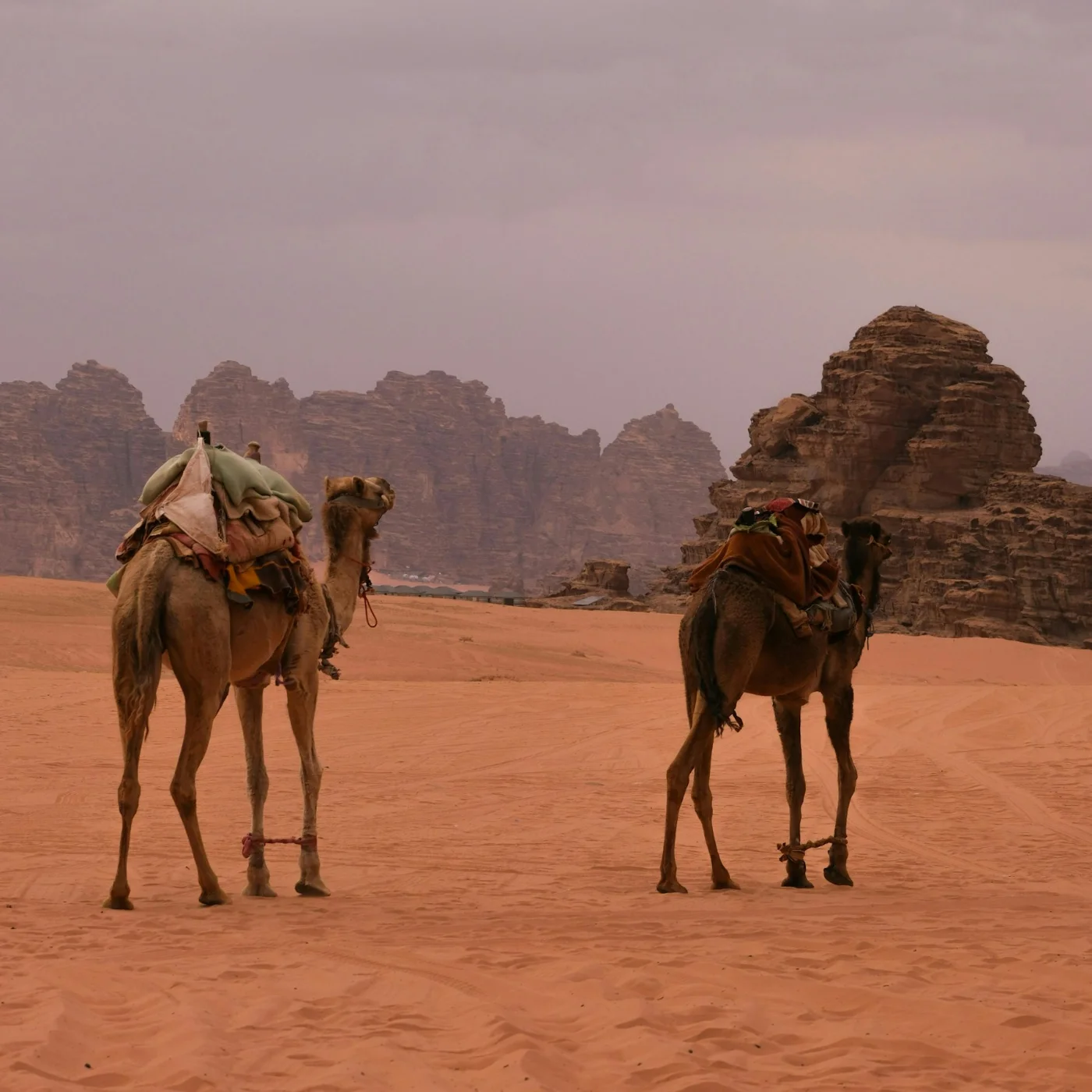
Sunset turns the sand deep red and the cliffs glowing orange, the most magical time for photos.
At night, the clear desert sky is perfect for photographing the stars and the Milky Way.
Include a jeep, a camel or a tent to give a sense of the vast scale of the landscape.
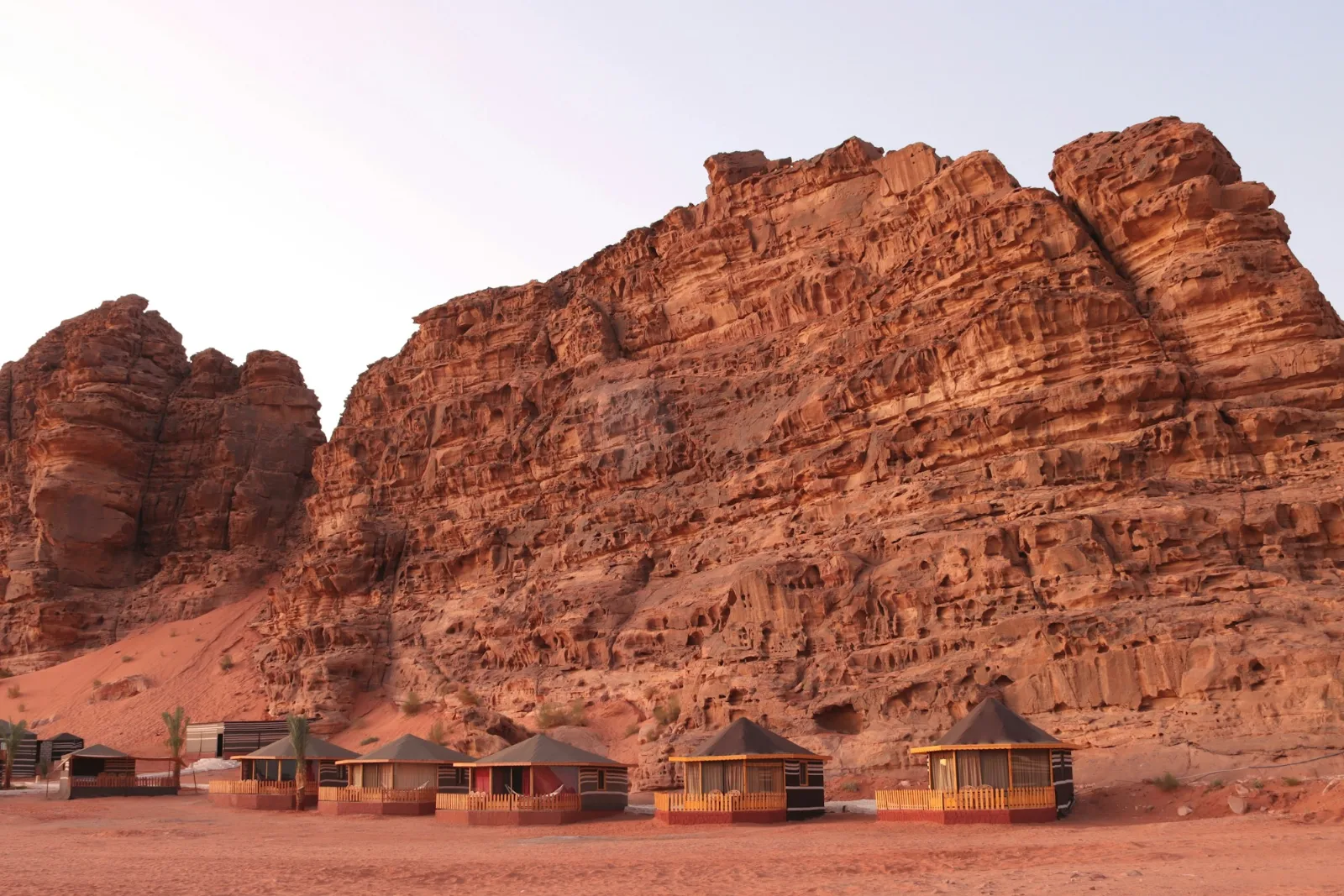
Wadi Rum offers silence on a grand scale. After the stone cities of Petra, the open desert brings a completely different kind of awe. Spending an evening with Bedouin hosts, sharing tea by the fire and falling asleep under a sky full of stars is one of the most memorable experiences in the Middle East.
Petra: Jordan’s Rose-Red City, less than two hours away.
The Dead Sea: relax and float after the desert.
Abu Simbel Temples: another desert wonder, in southern Egypt.
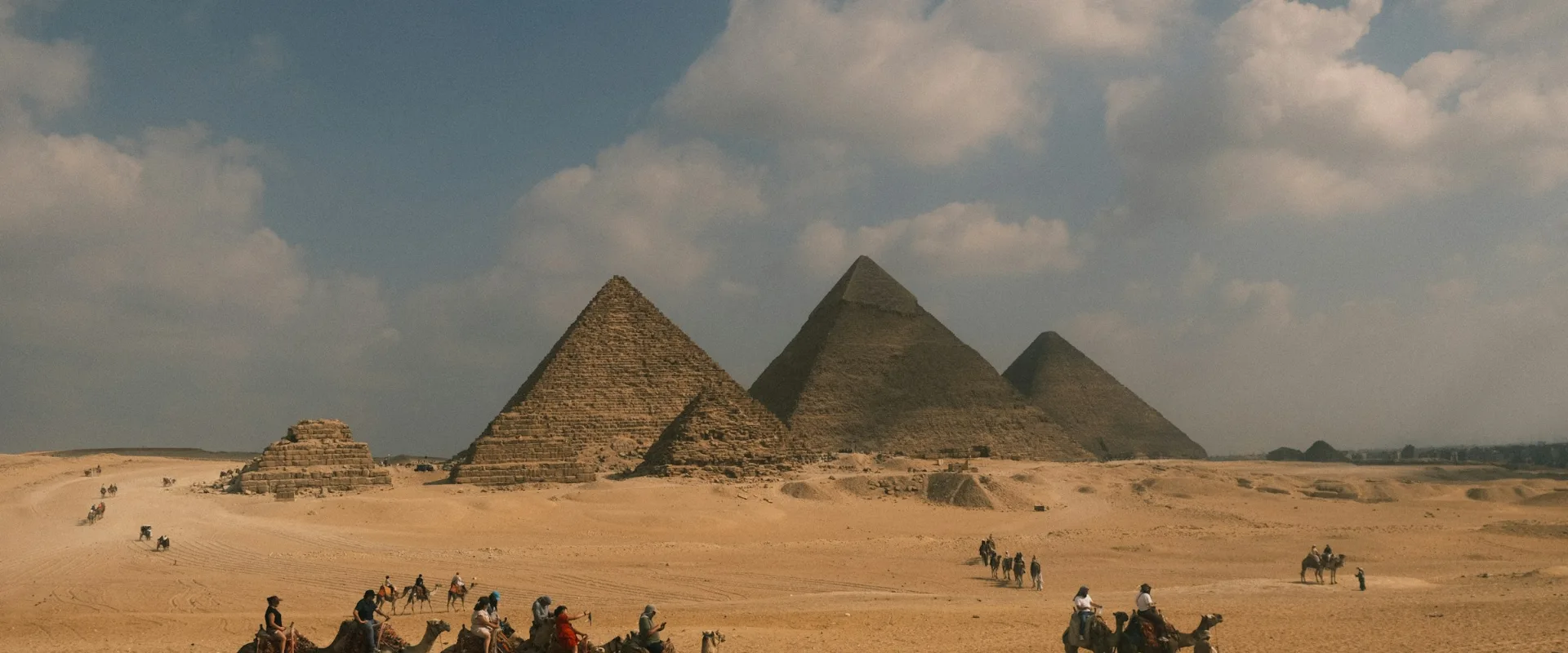
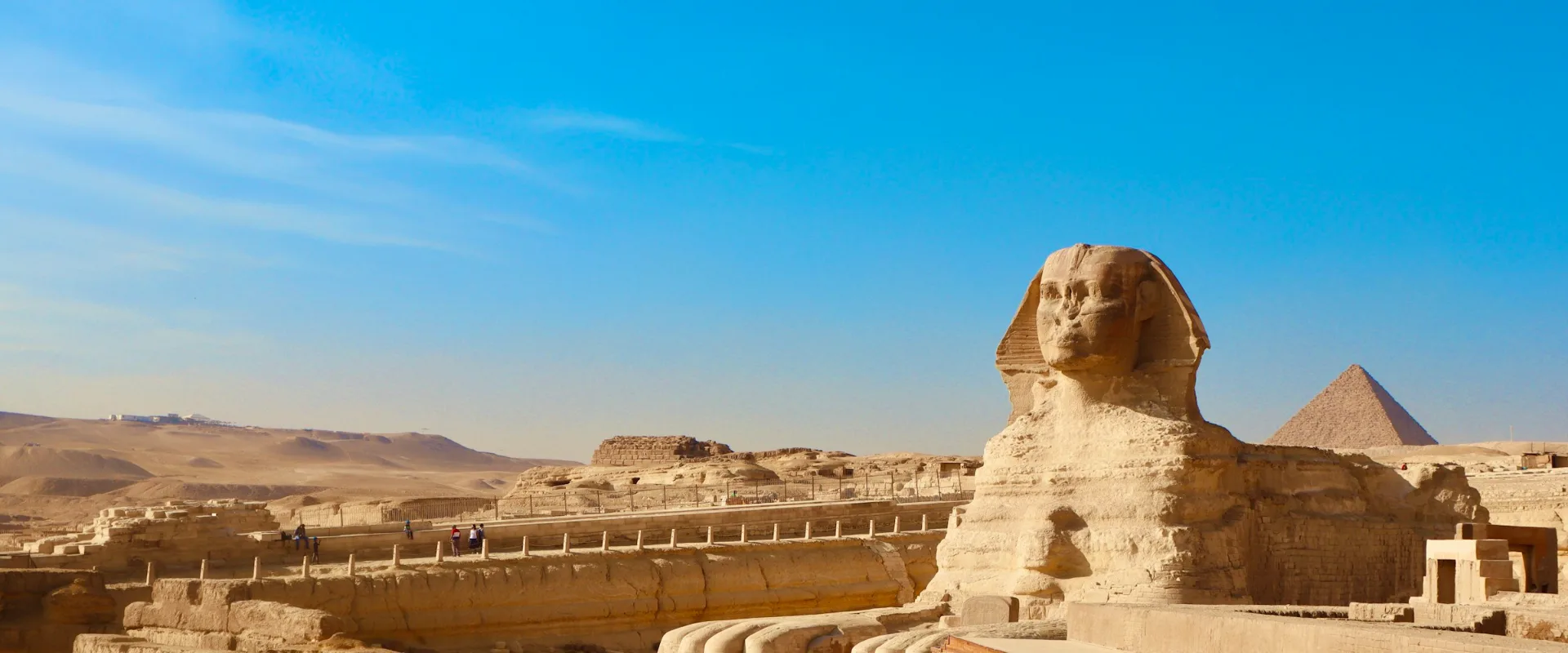
The Great Pyramids of Giza: pair Jordan’s desert with Egypt’s ancient icons.

Round-the-clock 24/7 support from expert local guides and a professional customer care team, before and throughout your trip.


Copyright © 2026 Egyptista