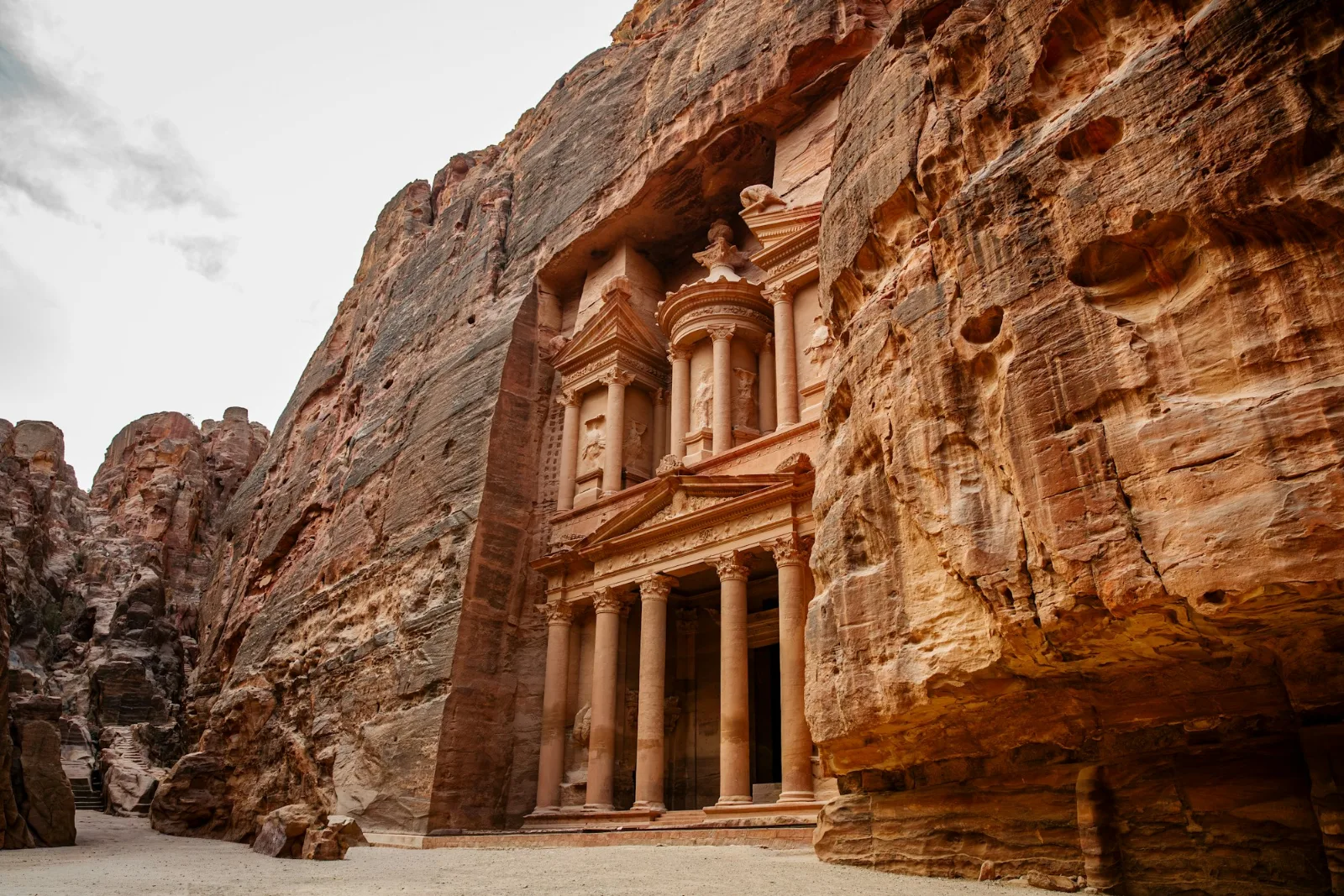
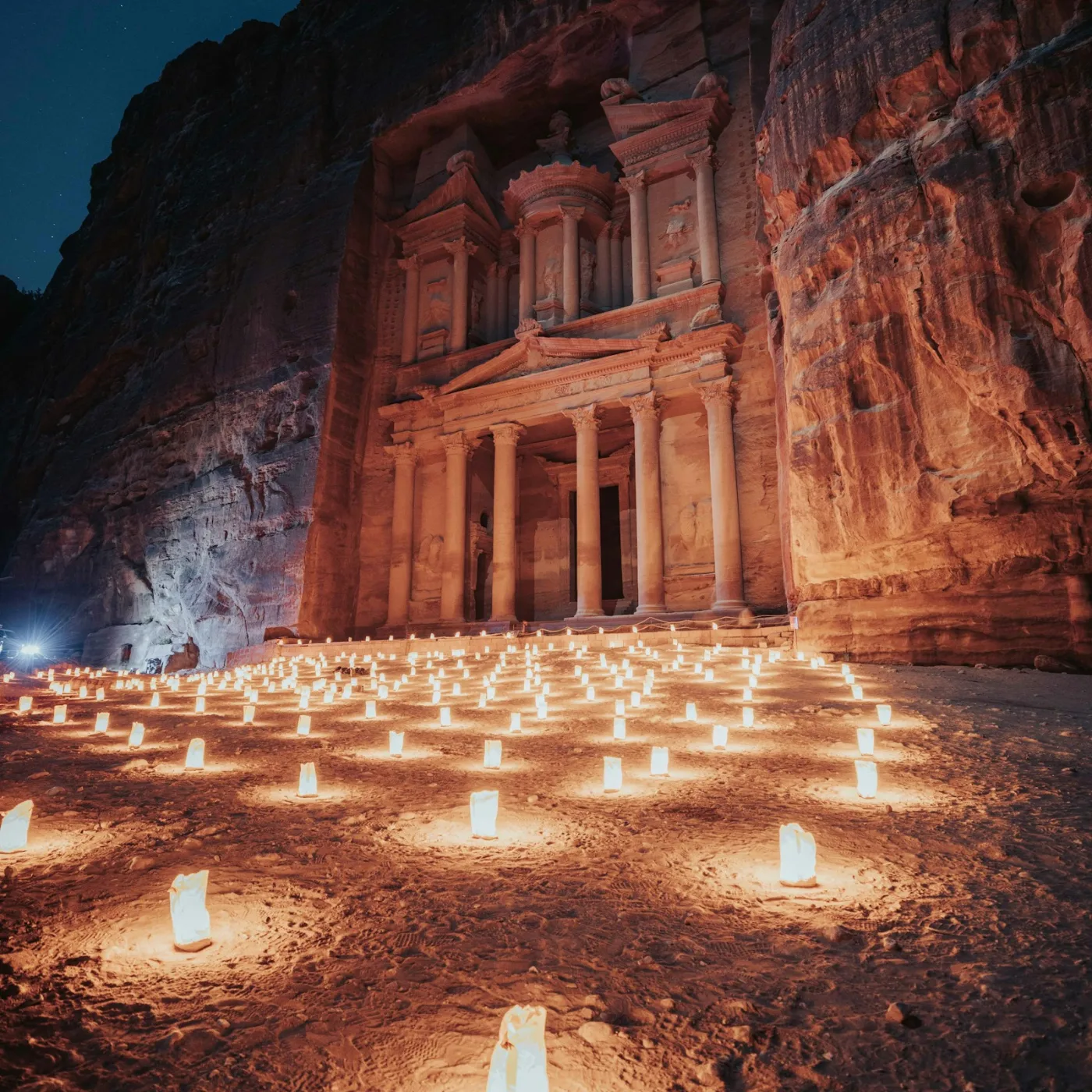
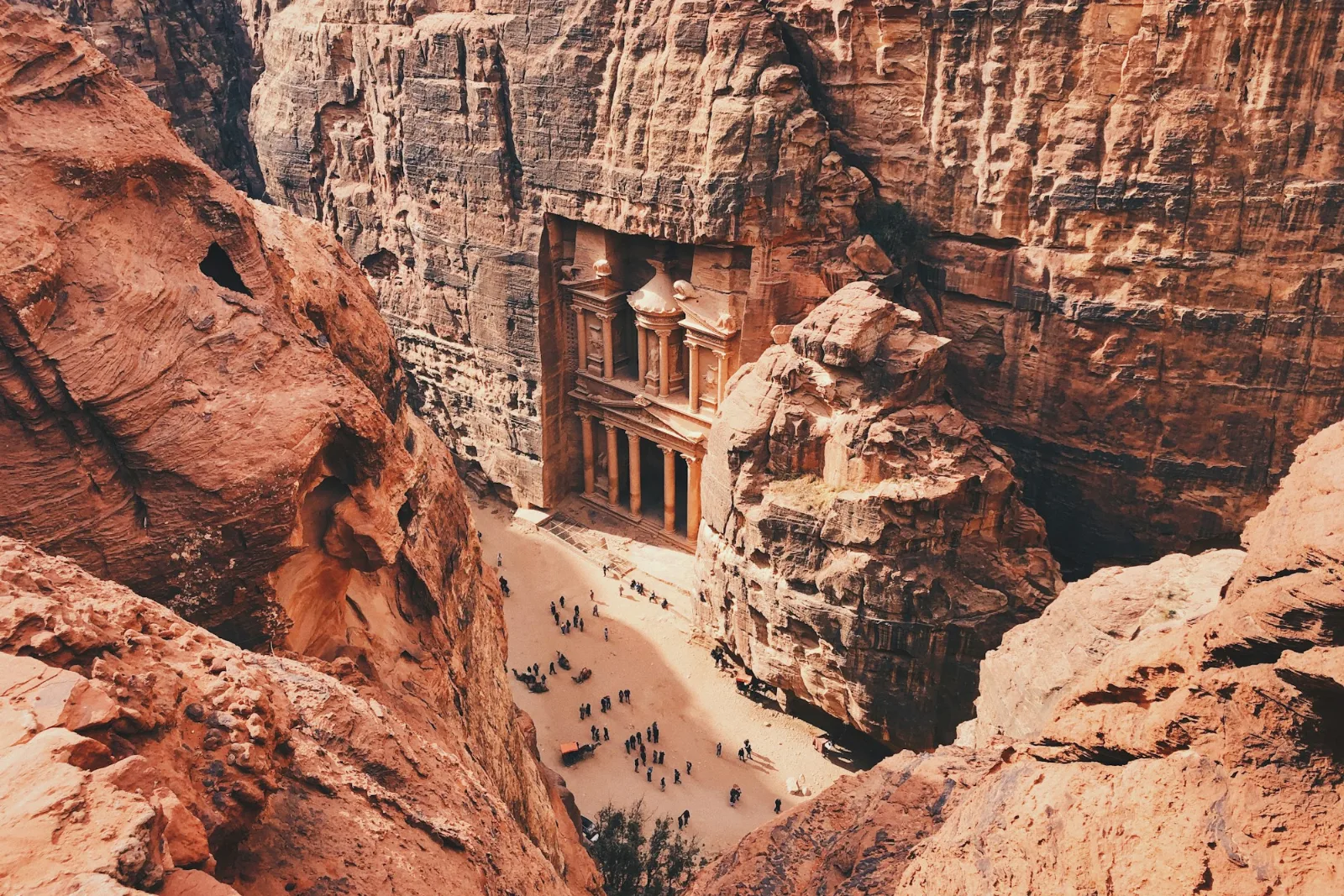
The first sight of Petra is famous. You walk for more than a kilometre through the Siq, a narrow gorge whose sandstone walls rise up to 80 metres overhead. Then, through a slit of rock, a pink facade appears, glowing in reflected sunlight: Al-Khazneh, the Treasury.
But the Treasury is only the doorway. Beyond it lies an entire city of tombs, temples, theatres and stairways, spread across a valley in the mountains of southern Jordan. Petra was the capital of the Nabataeans, an Arab people who controlled the caravan routes carrying incense, spices and luxury goods across Arabia.
Petra became a UNESCO World Heritage Site in 1985 and was named one of the New Seven Wonders of the World in 2007. Here is how to make the most of it.
The Nabataeans were originally nomadic traders. By the last centuries BC they had grown wealthy by controlling the trade routes between Arabia, the Mediterranean and Mesopotamia. Petra, protected by mountains and supplied by clever water engineering, became their royal capital.
The city reached its peak in the 1st century BC and 1st century AD, when the most famous monuments were carved. Its architecture blended Nabataean traditions with Hellenistic and Roman styles, reflecting a cosmopolitan population.
In 106 AD the Roman emperor Trajan annexed the Nabataean kingdom, and Petra became part of the province of Arabia. It remained important for some time, and Byzantine churches with fine mosaics were built here. Changing trade routes and a major earthquake in 363 AD contributed to its slow decline.
For centuries Petra was known only to local Bedouin. In 1812 the Swiss traveller Johann Ludwig Burckhardt, disguised as a pilgrim, became the first modern European to describe it.
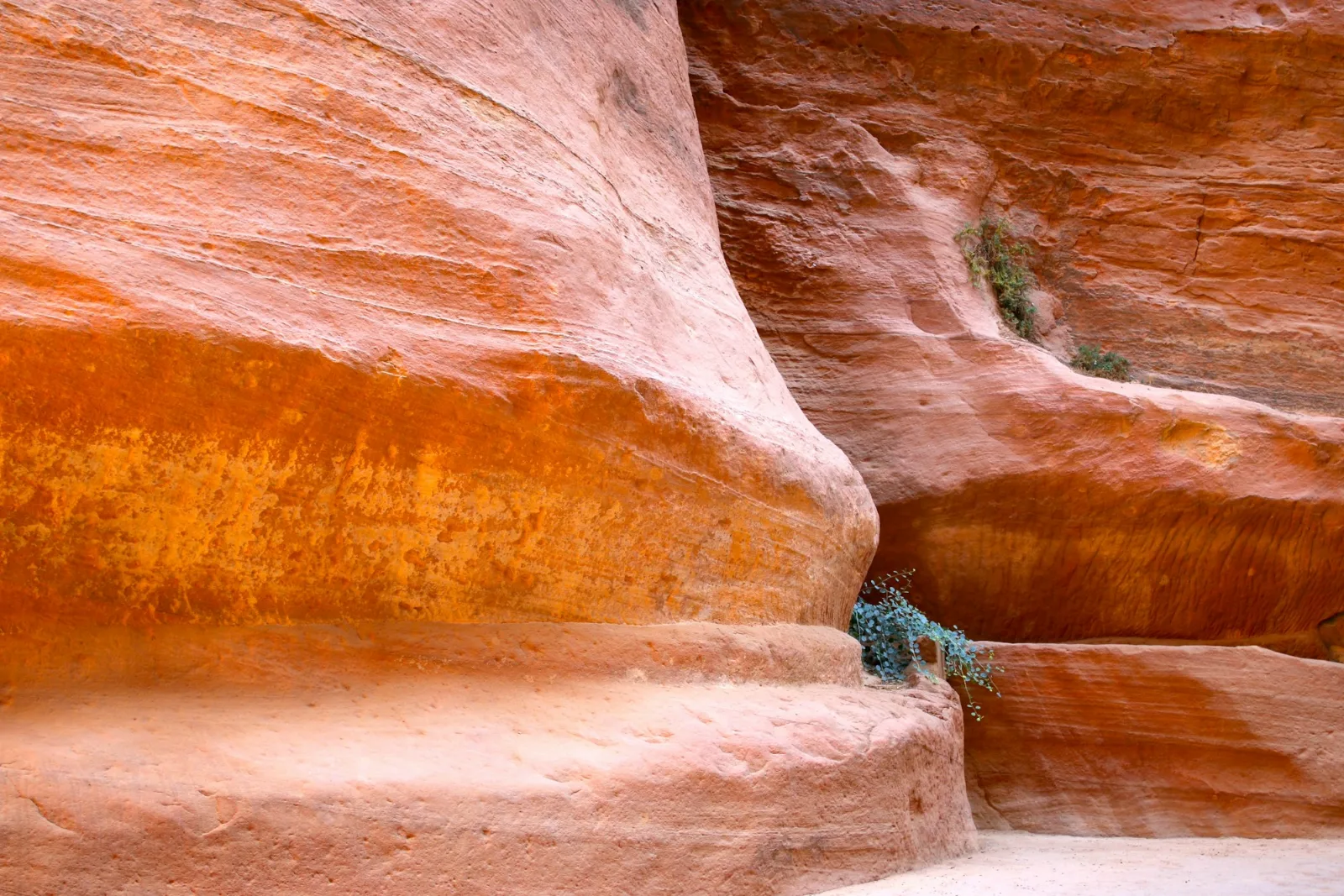
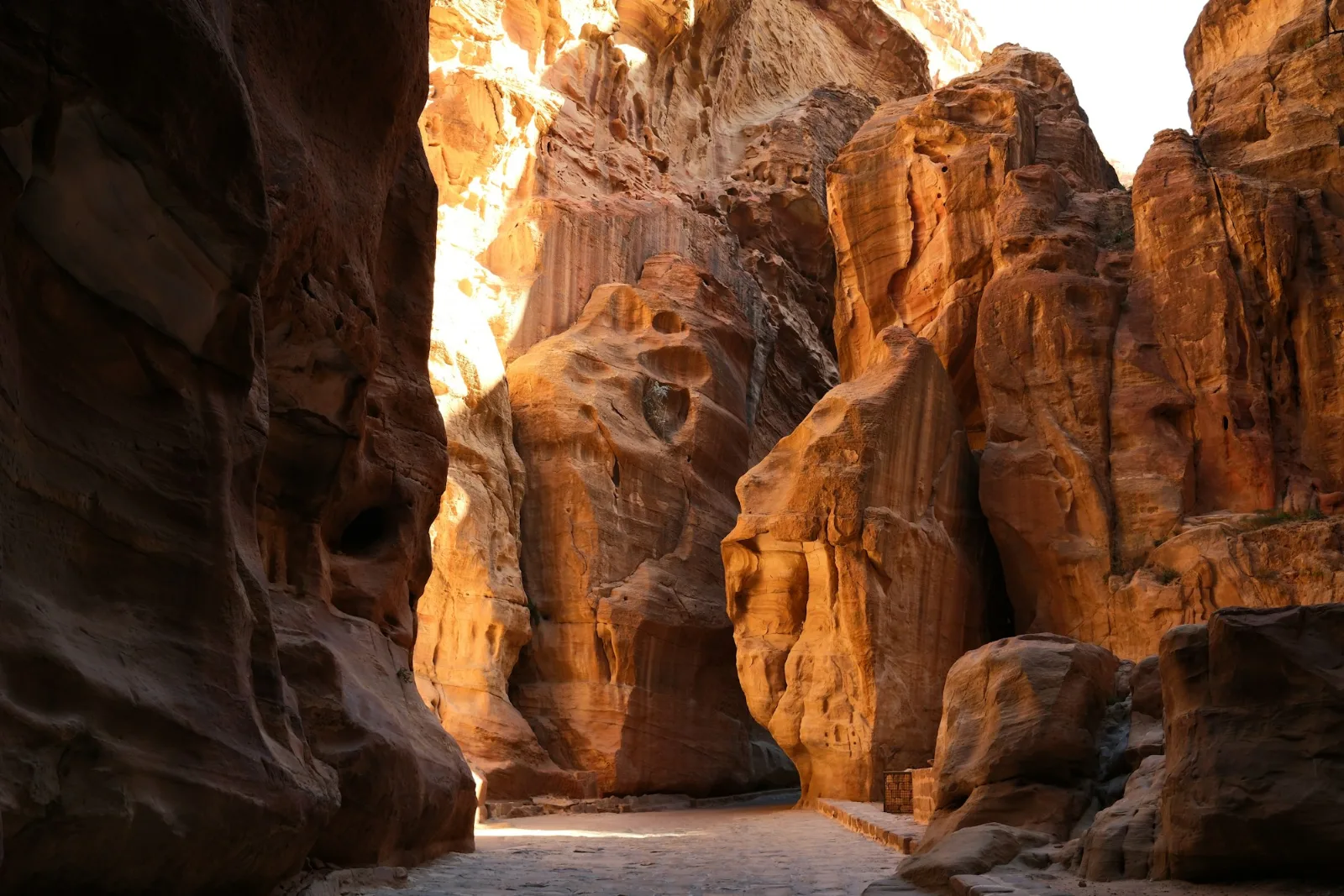
The main entrance is a natural gorge about 1.2 km long. Look for traces of Nabataean water channels cut into its walls and the remains of a paved road.
Carved directly into the cliff, the facade stands about 40 metres high. It was probably built in the 1st century AD as a royal tomb, possibly for King Aretas IV. Its name comes from a legend that pirates’ treasure was hidden in the urn at the top.
Beyond the Treasury, rows of tombs line the valley. The rock-cut Theatre could seat several thousand people. The Royal Tombs, including the Urn, Silk and Palace Tombs, are carved into the cliff of al-Khubtha.
The Colonnaded Street, the Great Temple and the free-standing temple of Qasr al-Bint formed the heart of the city.
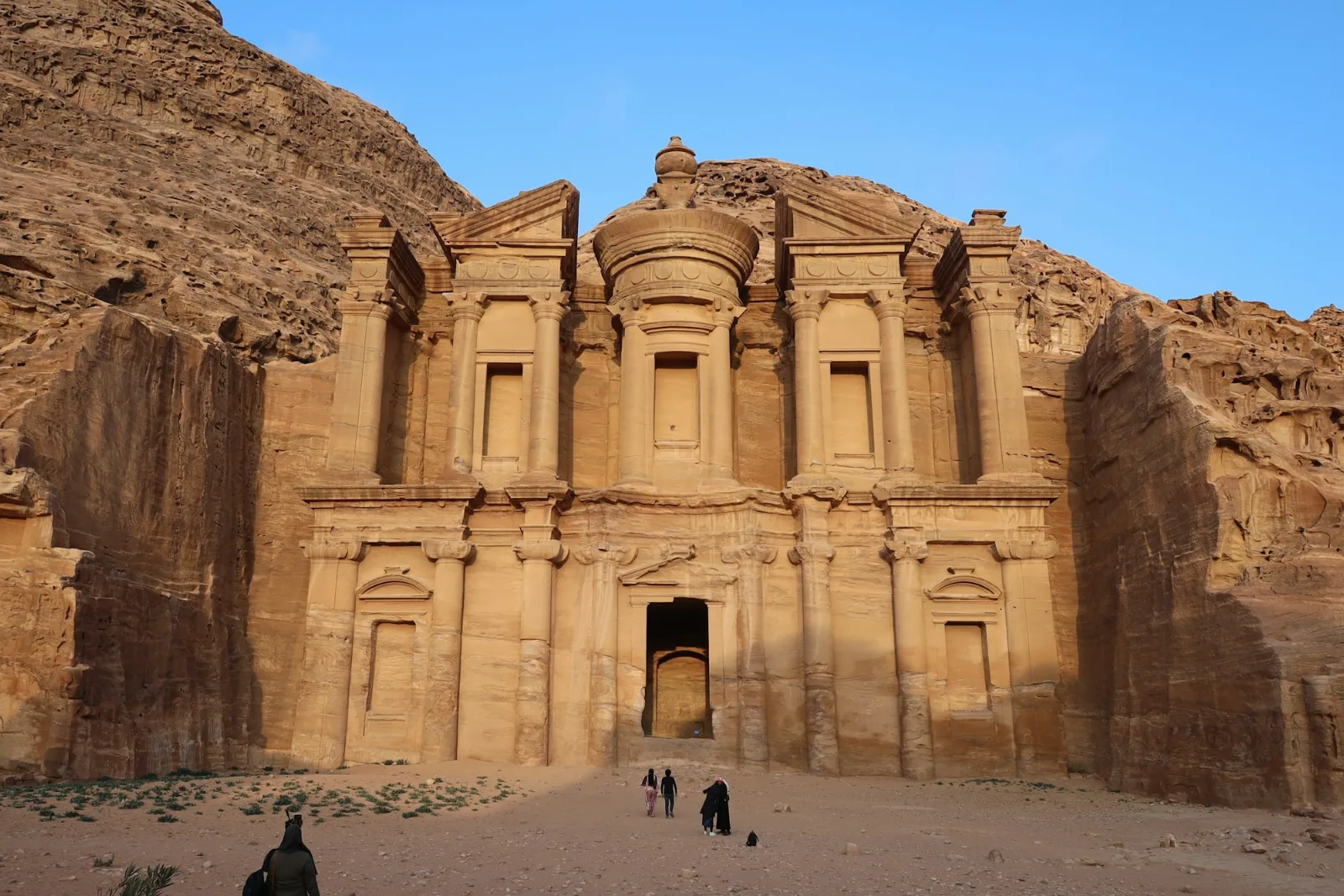
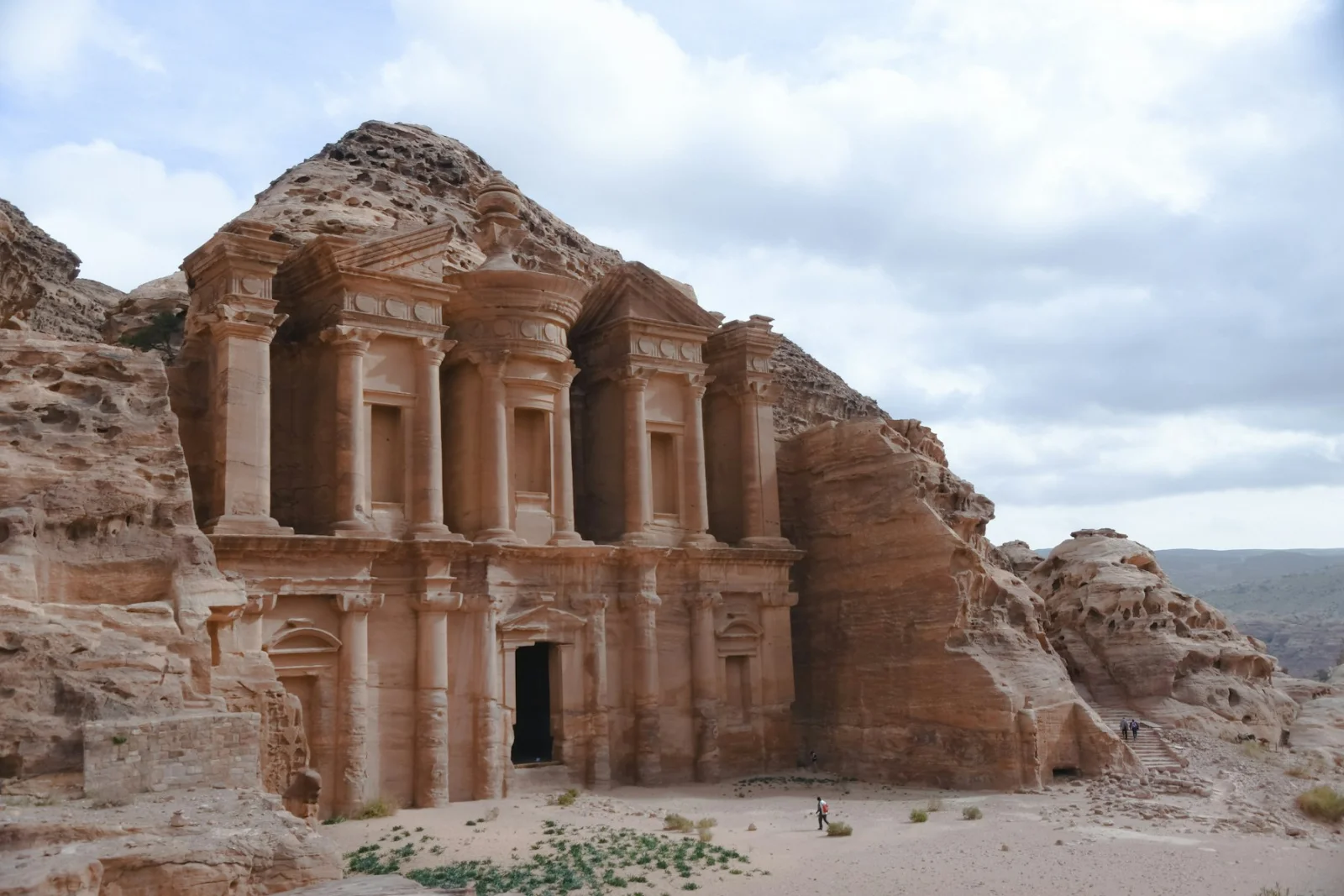
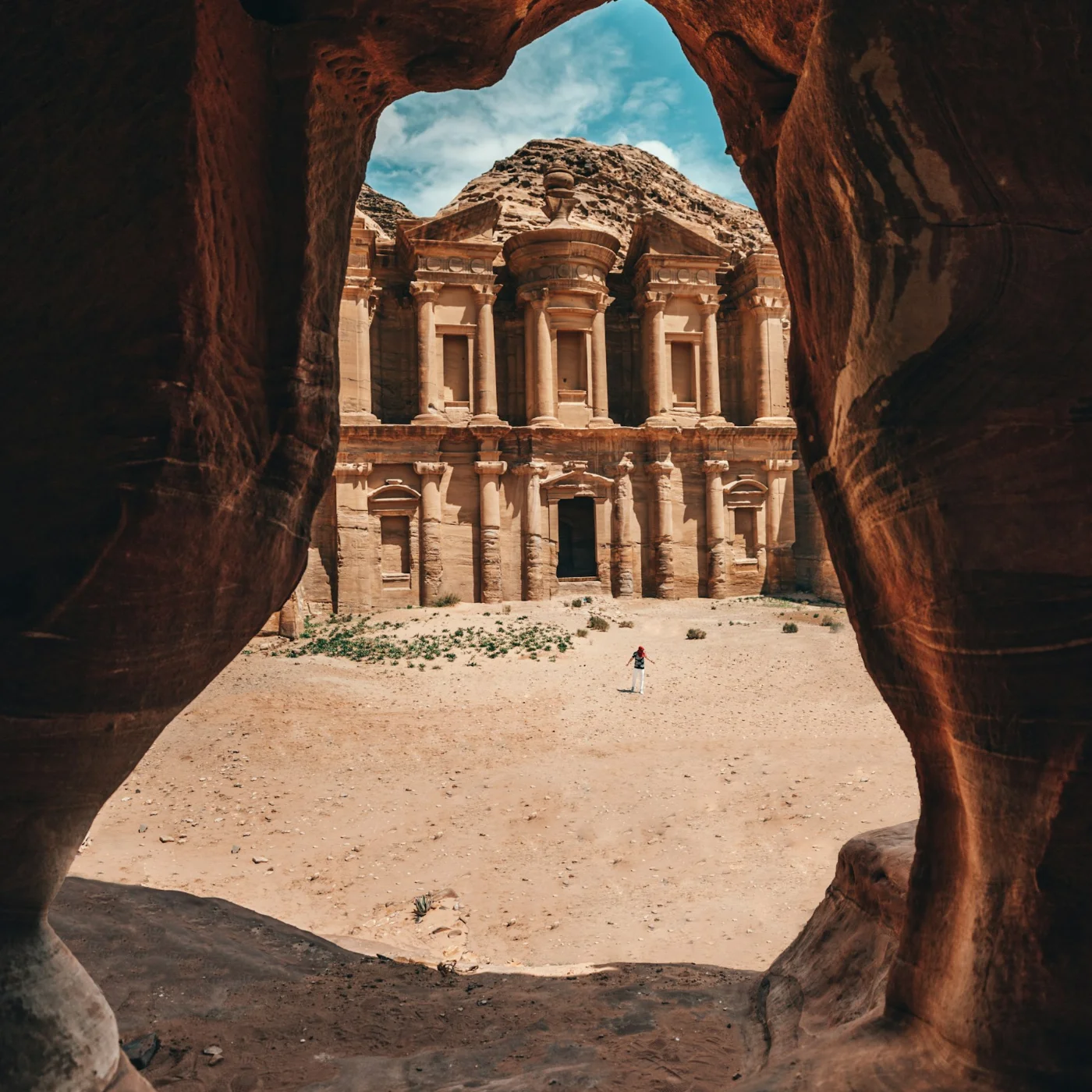
A climb of around 800 rock-cut steps leads to Petra’s largest facade, almost 50 metres wide and high, with sweeping mountain views.
Masters of water. The Nabataeans built dams, cisterns and channels to collect rare rainfall and protect the city from flash floods. This allowed a large population to live in the desert.
Carved from the top down. Facades were cut from the cliff starting at the top, so no scaffolding was needed.
Much more than you see. The Petra Archaeological Park covers about 264 square kilometres, and scholars estimate that only a small fraction of the ancient city has been excavated.
A film star. The Treasury appeared as the hiding place of the Holy Grail in *Indiana Jones and the Last Crusade* (1989).
Bullet holes in the urn. Marks on the Treasury’s urn were left by people who shot at it hoping to release the legendary treasure.
Walk the Siq early in the morning, before the crowds.
Climb to the Monastery for the most rewarding hike in Petra.
Take the High Place of Sacrifice trail for views over the city and ancient altars.
Hike to a Treasury viewpoint with a local guide for the classic view from above.
Experience Petra by Night, when the Siq and the Treasury are lit by candles on selected evenings.
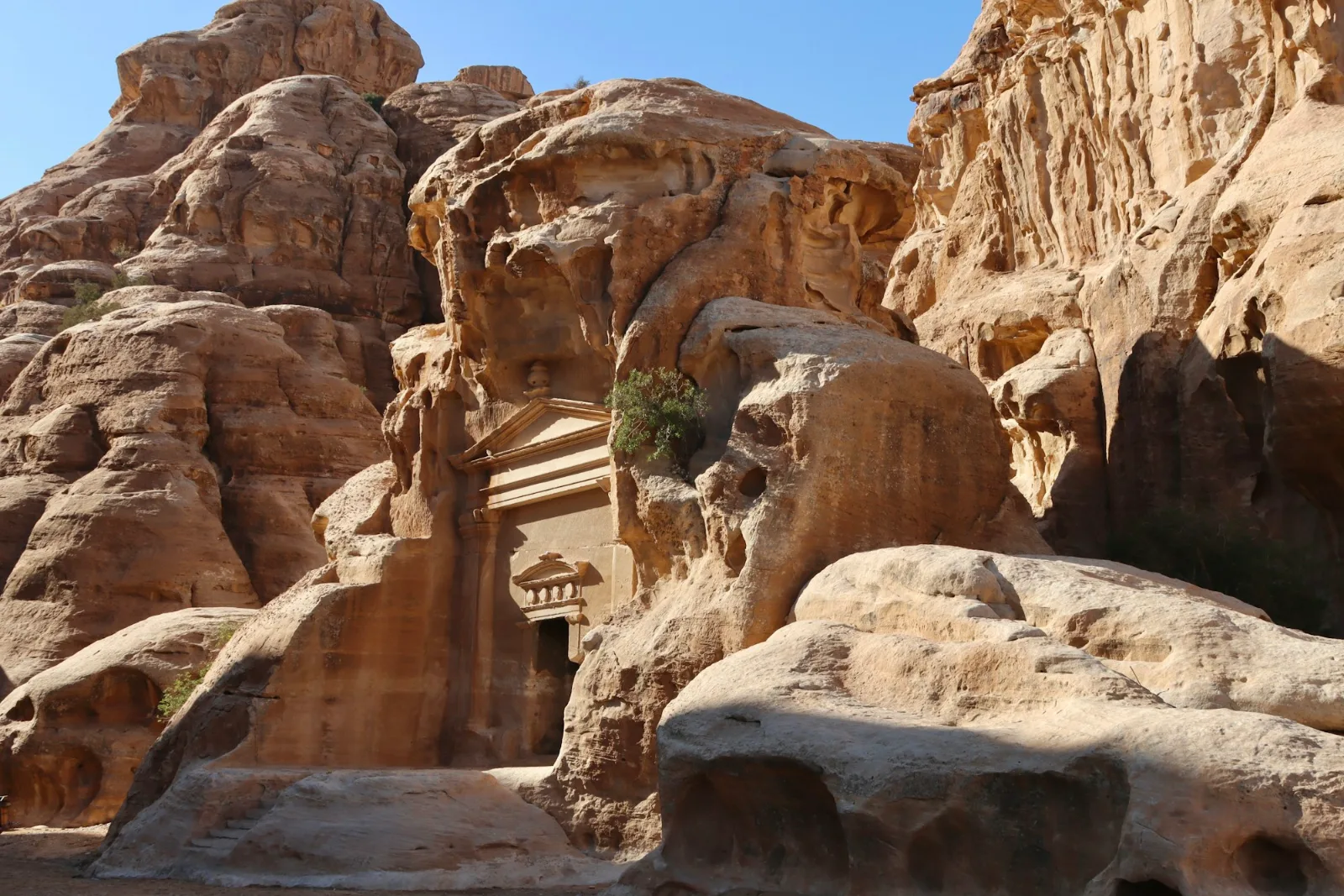
Visit Little Petra (Siq al-Barid), a smaller Nabataean site a short drive to the north.
The most comfortable seasons are spring (March to May) and autumn (September to November). Summers are hot, especially on the open trails. Winters can be cold, and occasional rain may close the Siq because of flash-flood risk.
Arrive at opening time to see the Treasury in quiet and soft light. The Monastery catches warm light in the afternoon. Petra deserves at least one full day, and ideally two.
Petra lies in southern Jordan, beside the town of Wadi Musa, where most hotels are.
From Amman: About three hours by road via the Desert Highway or the scenic King’s Highway. JETT buses run regular services.
From Aqaba: About two hours by road.
From Wadi Rum: Around 1.5–2 hours by road, so the two are often combined.
From Egypt: Travellers often arrive via Aqaba, by ferry from Nuweiba or overland via Taba.
Water engineering in the Siq. As you walk the 1.2 km gorge, look for the channels carved into the rock walls. The Nabataeans used them to carry water into the city, a brilliant system in the desert.
The first glimpse of the Treasury. At the end of the Siq, the rose-coloured façade of Al-Khazneh appears through a narrow gap, one of the most dramatic reveals in the world.
The Street of Façades and the Theatre. Rows of tombs line the main path, followed by a theatre carved directly into the mountain that could seat thousands.
The Royal Tombs. Look for the swirling colours of the rock inside the Urn Tomb and the Silk Tomb, with stripes of pink, yellow and blue.
The Monastery. About 800 rock-cut steps lead to Ad-Deir, even larger than the Treasury, with sweeping views over the mountains. Many visitors combine Petra with a visit to Wadi Rum.
Entry (visitors staying at least one night in Jordan): 50 JD for one day, 55 JD for two days and 60 JD for three days. Multi-day tickets must be used on consecutive days.
Day visitors not staying overnight in Jordan: 90 JD.
Children: Under 12s enter free during daylight hours.
Jordan Pass: It includes Petra entry and waives the tourist visa fee for visitors who stay at least three nights. It does not include Petra by Night.
Petra by Night: Separate ticket, held on selected evenings. A valid daytime ticket is required.
Opening hours: From early morning until around sunset. Times vary by season.
Entry fees were checked on the official Visit Petra website (visitpetra.jo) in November 2026. Opening hours and the Petra by Night schedule change, so please confirm them before your visit.
Tips: Wear sturdy shoes, carry plenty of water and sun protection, and choose licensed guides and animal rides.
Arrive early to photograph the Treasury from the end of the Siq before the crowds.
The viewpoint above the Treasury offers a breathtaking angle on the facade.
The Monastery and the Royal Tombs glow beautifully in the late afternoon sun.
Inside the Siq, look up to capture the narrow ribbon of sky between the rose-coloured walls.
Petra is not a single monument but a whole world to explore on foot. Its carved facades, coloured sandstone and mountain scenery create an atmosphere unlike anywhere else. It is the story of a desert people who turned trade into wealth and wealth into art. Few places reward curiosity and stamina so generously.
Wadi Rum: spend a night under the stars in Jordan’s most dramatic desert.
The Dead Sea: float in the lowest place on Earth.
Abu Simbel Temples: another great rock-cut monument, in southern Egypt.
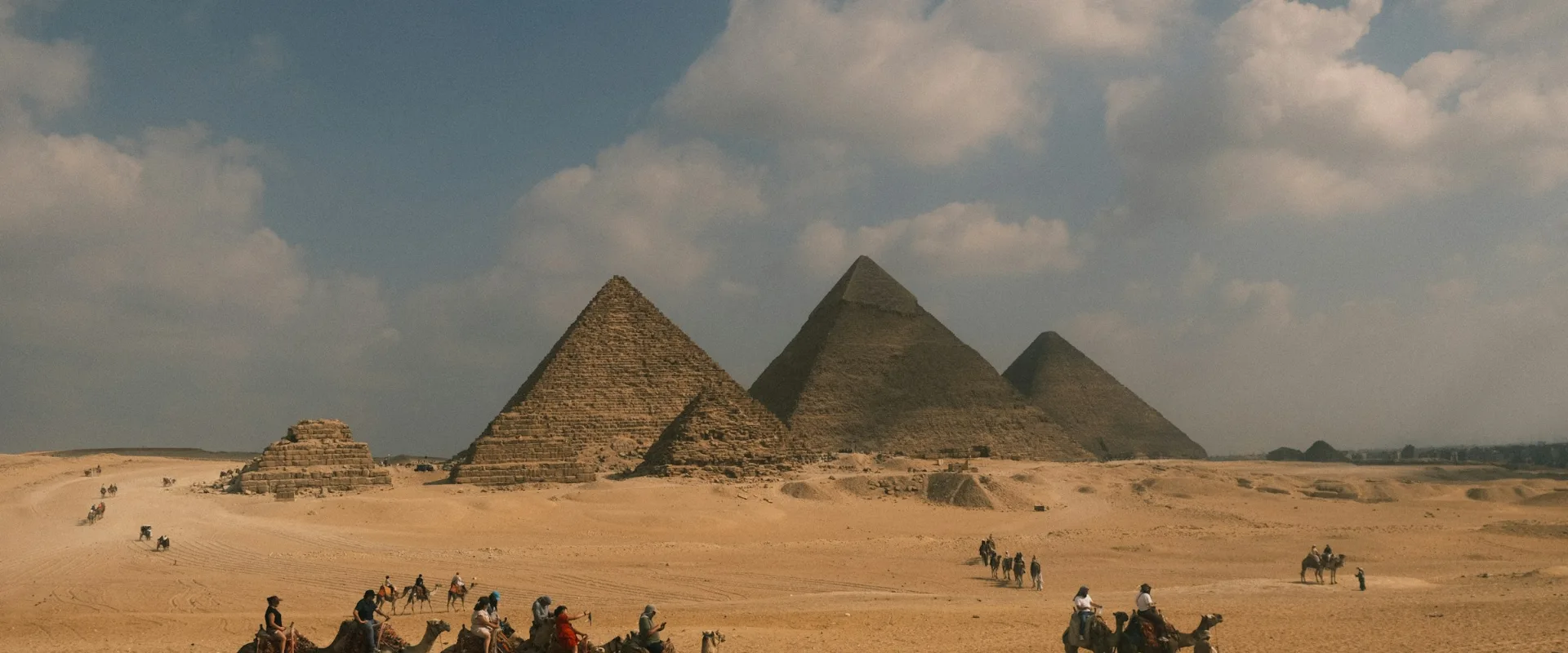
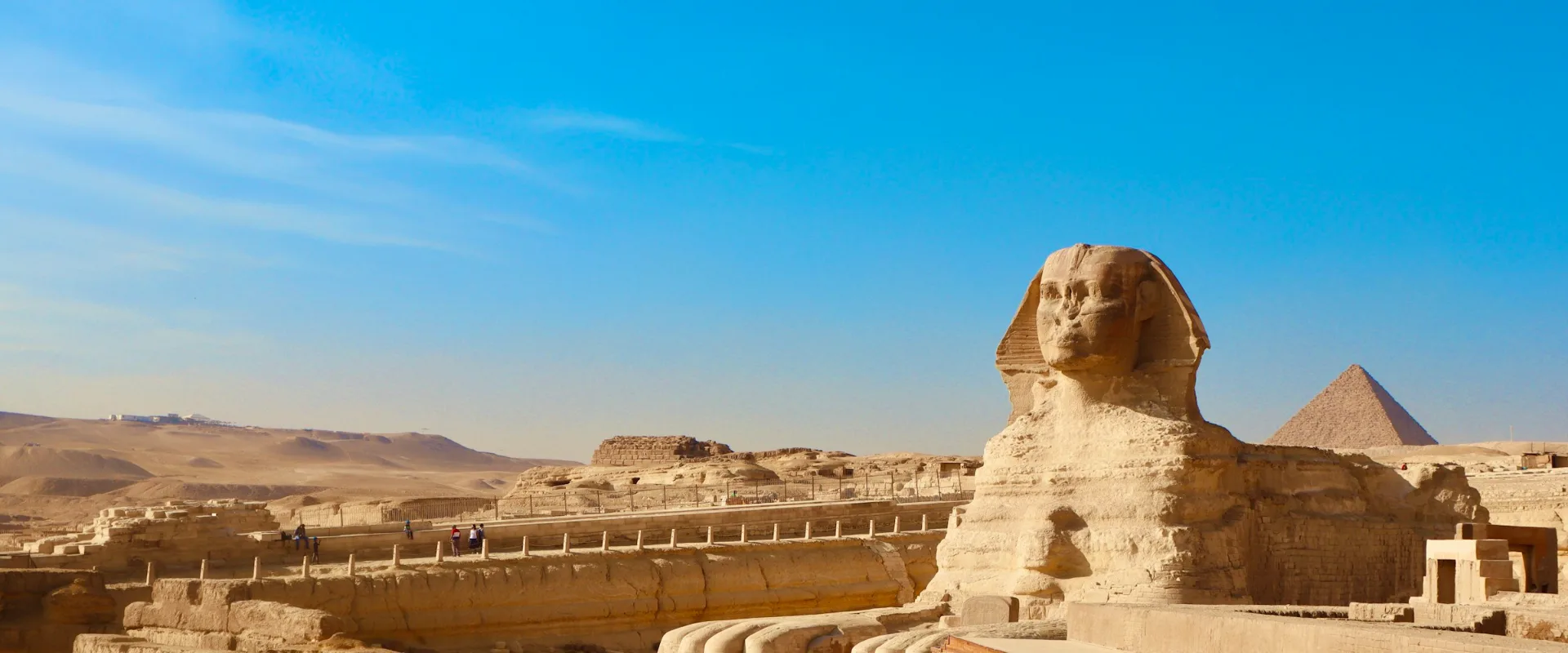
The Great Pyramids of Giza: combine Egypt and Jordan in one journey.
Round-the-clock 24/7 support from expert local guides and a professional customer care team, before and throughout your trip.


Copyright © 2026 Egyptista