Carved into rose-coloured cliffs more than 2,000 years ago by the Nabataeans, Petra is Jordan’s most famous site and one of the New Seven Wonders of the World. It is much bigger than most visitors expect, with tombs, temples, theatres and staircases spread across a wide valley.
This guide will help you plan your first visit, from the classic route to practical tips.
From the visitor centre in Wadi Musa, a path leads to the Siq, a narrow gorge about 1.2 km long with walls up to 80 metres high. Look for the ancient water channels carved into the rock.
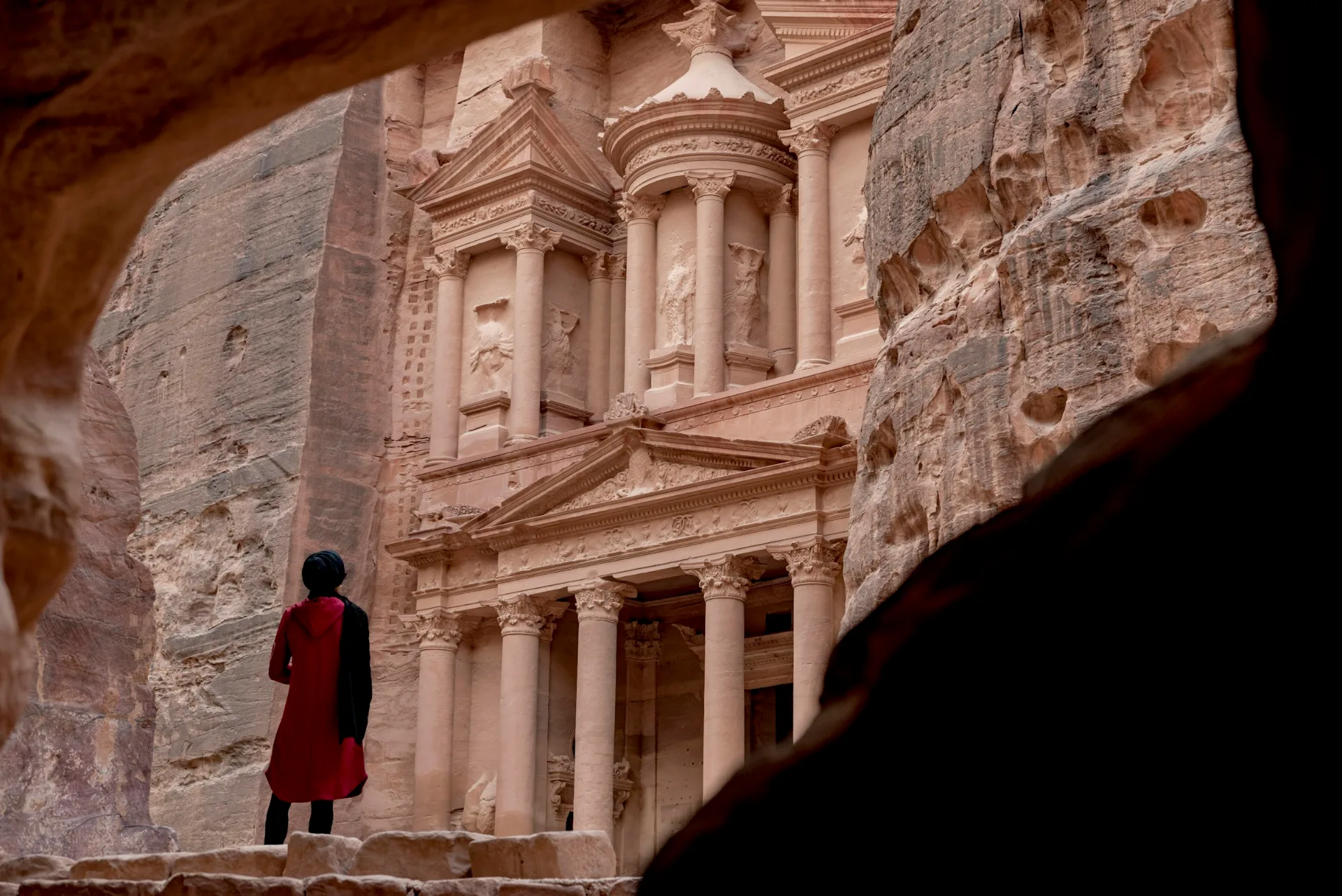
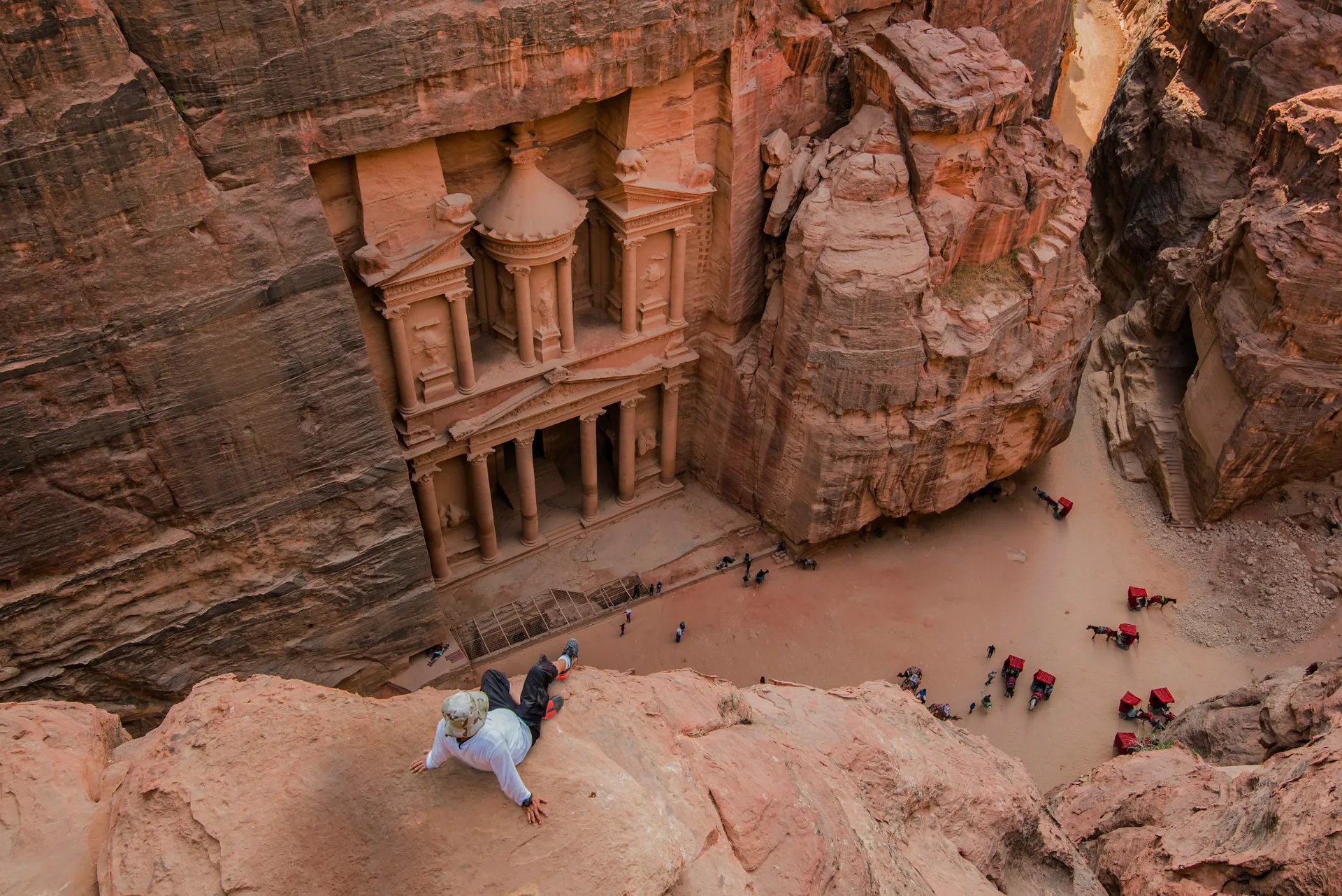
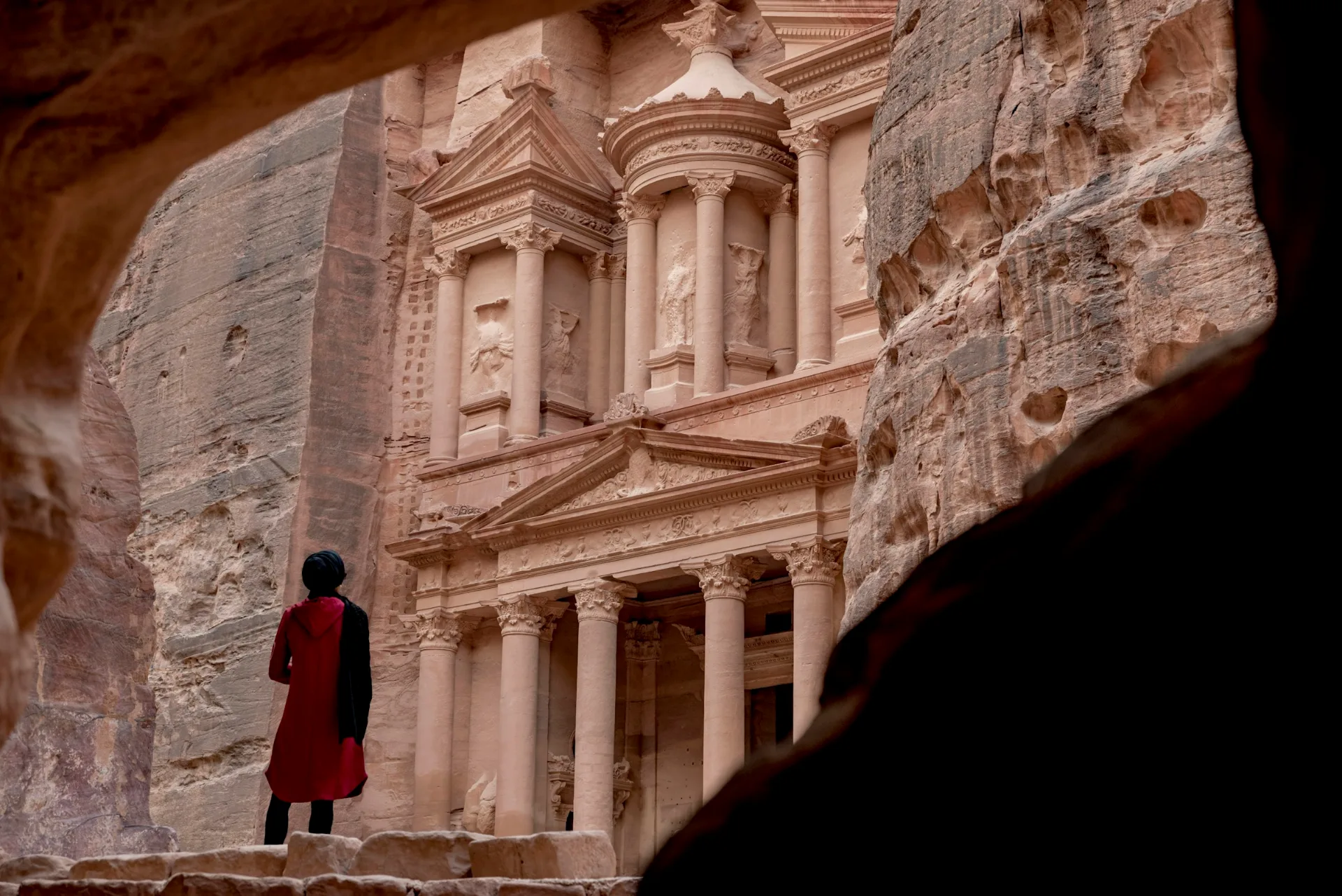
At the end of the Siq, the Treasury suddenly appears through the gap in the rock. It is the moment every visitor remembers. Its façade, carved straight into the cliff, is about 40 metres tall.
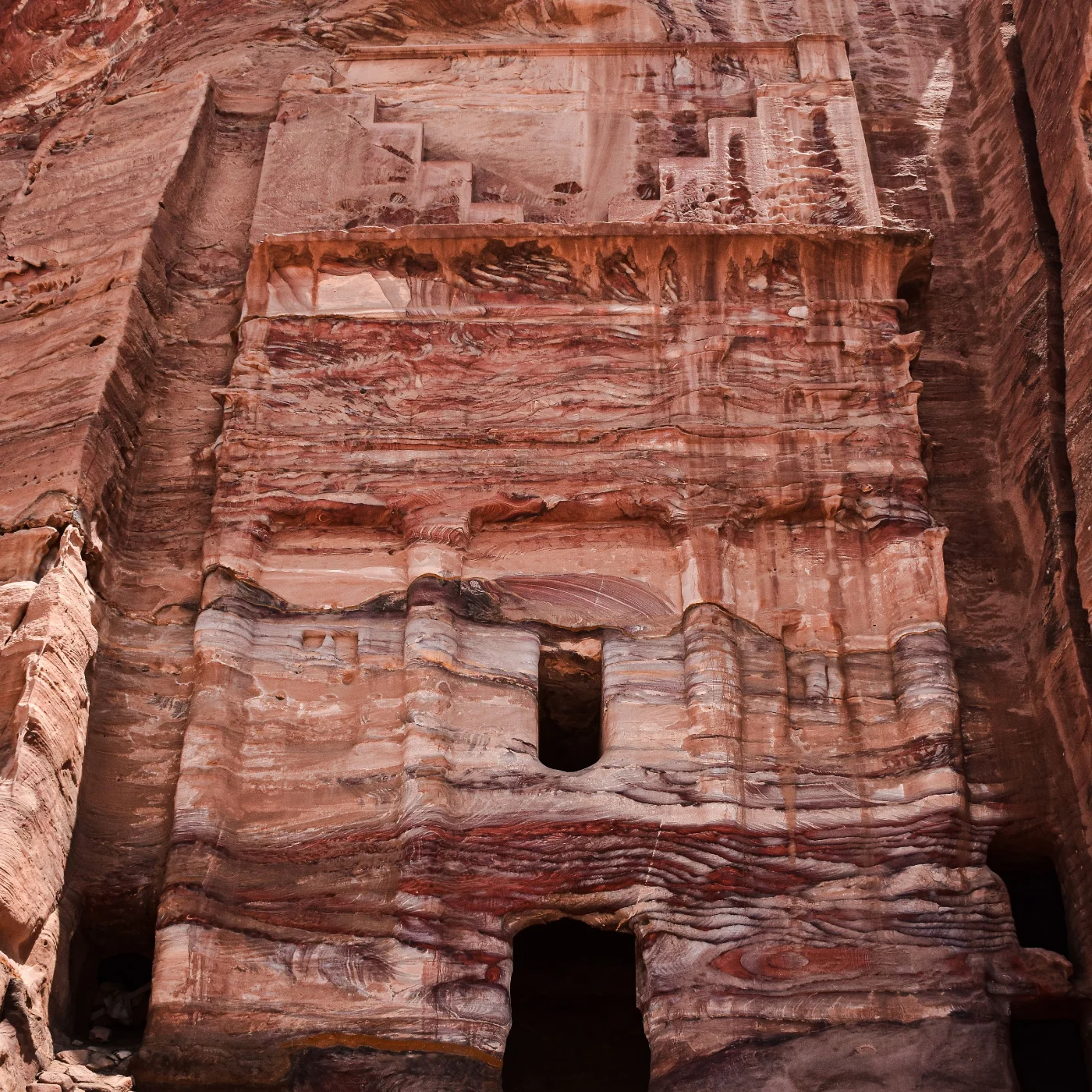
The valley then opens up. Walk past rows of tombs, a theatre cut into the hillside, and the impressive Royal Tombs, including the colourful Silk Tomb, where the sandstone shows bands of red, pink and yellow.
The city centre follows a Roman-style street lined with columns, leading to the Great Temple and Qasr al-Bint, one of Petra’s main temples.
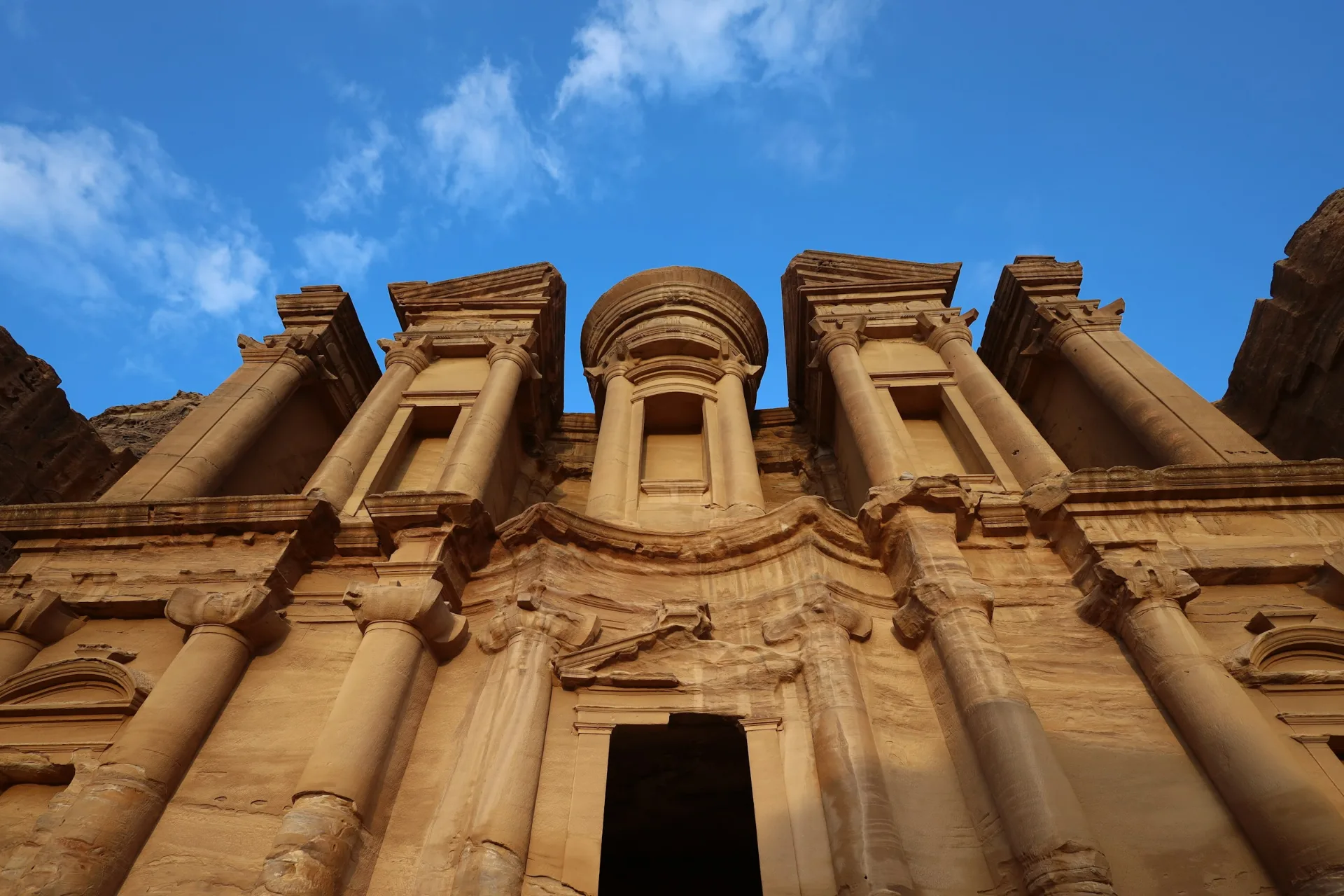
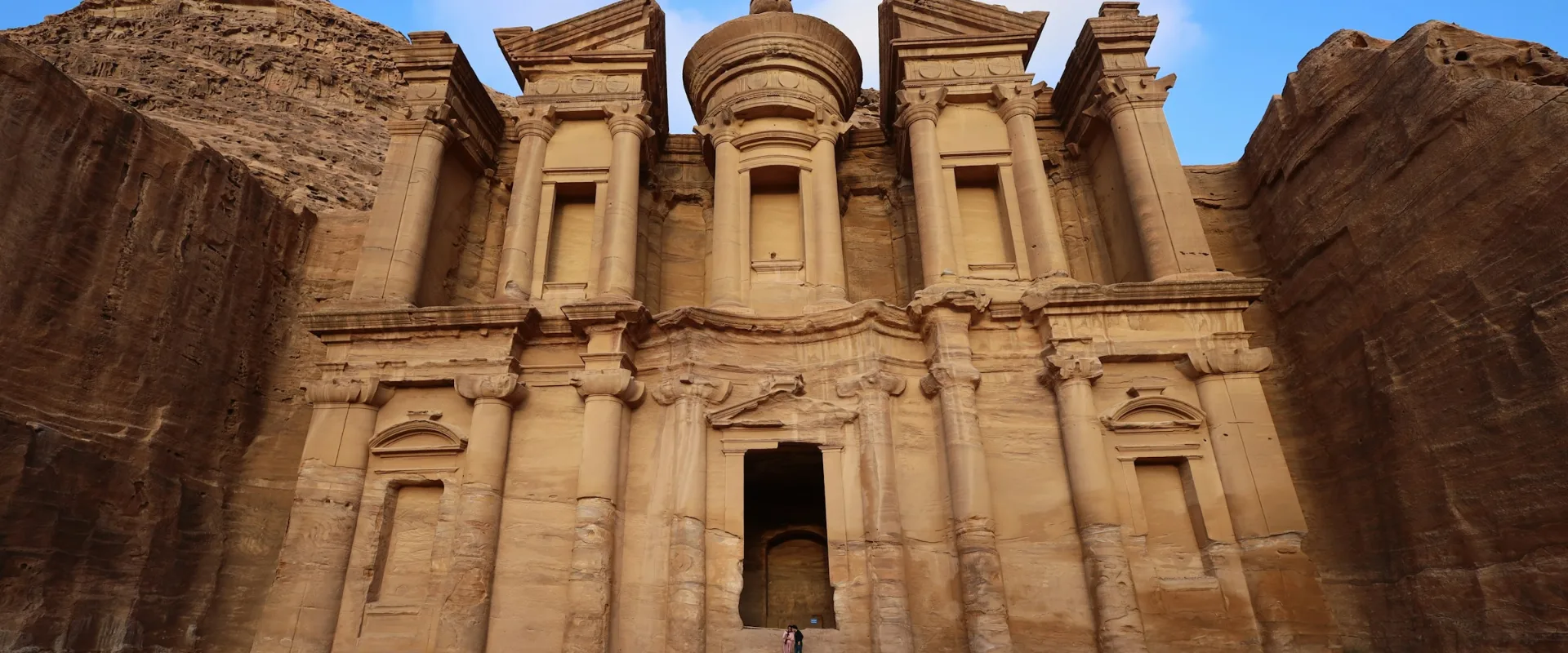
For the best reward of the day, climb about 800 steps to the Monastery, an even larger façade than the Treasury, with views over the mountains.
One day: enough for the Siq, the Treasury, the main valley and the Monastery if you start early and walk steadily.
Two days: lets you explore at a relaxed pace and add a viewpoint hike over the Treasury or the High Place of Sacrifice.
Start early to enjoy the Siq before the crowds and the heat.
Wear sturdy shoes: you can easily walk more than 15 km in a day.
Bring water, a hat and sunscreen; shade is limited.
Buy the Jordan Pass before you travel; it includes entry to Petra and can waive your visa fee. See our FAQs for details.
Petra by Night: on selected evenings, the Siq and Treasury are lit by candles, a magical experience if your schedule allows.
Spring and autumn are the best seasons; summer is hot and winter can be cold.
Many visitors combine Petra with the desert landscapes of Wadi Rum, a float in the Dead Sea and the Roman ruins of Jerash.
Petra was the capital of the Nabataeans, an Arab people who grew rich by controlling the caravan routes that carried incense, spices and silk across the desert. They were brilliant engineers: a network of channels, dams and cisterns collected every drop of rain, allowing a city of thousands to flourish in the middle of the desert.
In 106 AD Petra became part of the Roman Empire, and later Byzantine Christians built churches among its tombs. For centuries the city was known only to local Bedouin, until the Swiss explorer Johann Ludwig Burckhardt reached it in 1812 and revealed it to the world. Petra became a UNESCO World Heritage Site in 1985.
A few kilometres north of the main site lies Siq al-Barid, known as Little Petra. Its narrow canyon, carved façades and a rare painted ceiling give a peaceful taste of Nabataean life, and it is a wonderful addition if you have extra time.
The Treasury: arrive early in the morning, when the façade is quiet and the light is soft.
The Monastery: the late afternoon sun lights up its façade beautifully.
The Royal Tombs: the colours of the sandstone glow in the warm light of the afternoon.
The Siq: look up to capture the narrow ribbon of sky between the towering walls.
The town of Wadi Musa, next to the entrance of Petra, has hotels for every taste, restaurants serving Jordanian specialities and shops selling handicrafts and the famous sand bottles, filled by hand with coloured sand in beautiful patterns.
Jordan Express – 3 Days Petra & Wadi Rum: Petra and a 4x4 jeep tour in Wadi Rum, starting from Amman.
Essential Jordan – 5 Days Amman, Madaba, Petra & Wadi Rum: Amman, Madaba, Mount Nebo, Petra and Wadi Rum.
Classic Jordan – 7 Days Amman, Jerash, Petra & Wadi Rum: adds Jerash and Ajloun to Amman, Madaba, Petra and Wadi Rum.
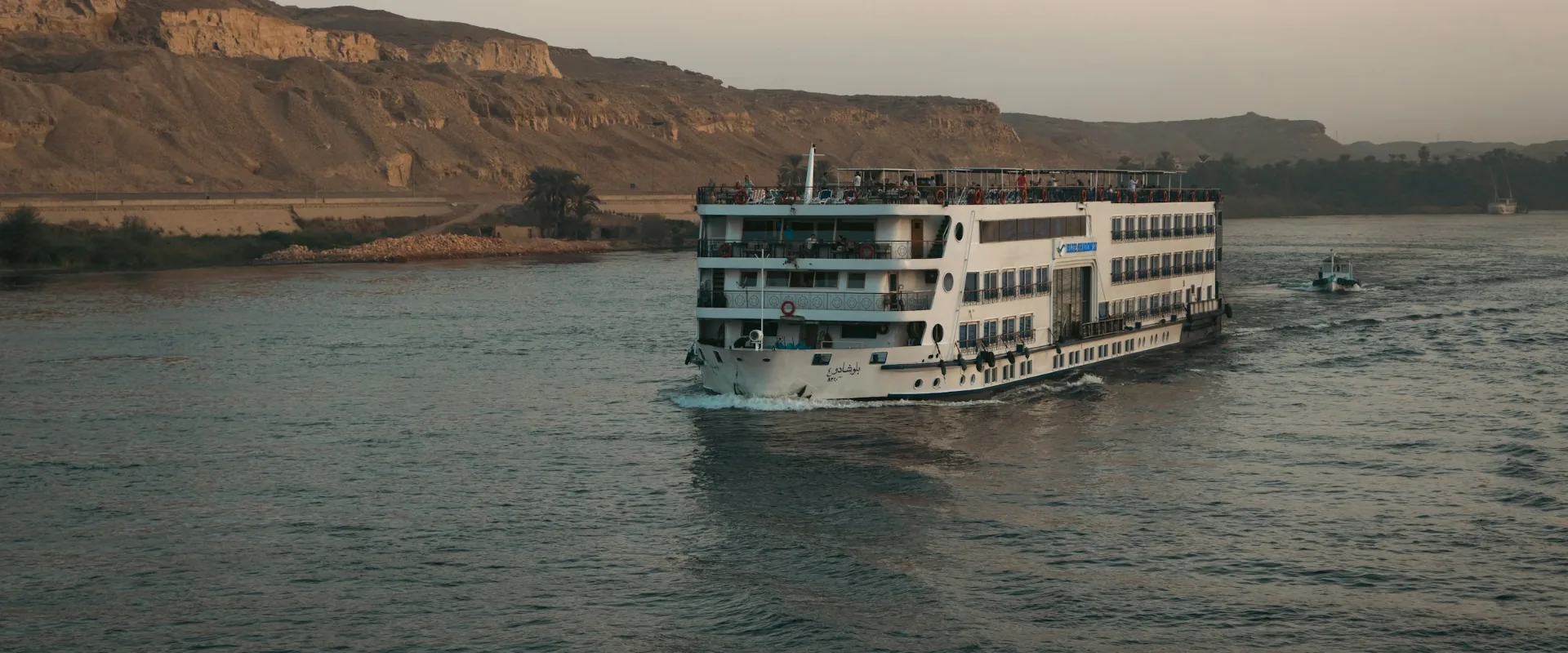
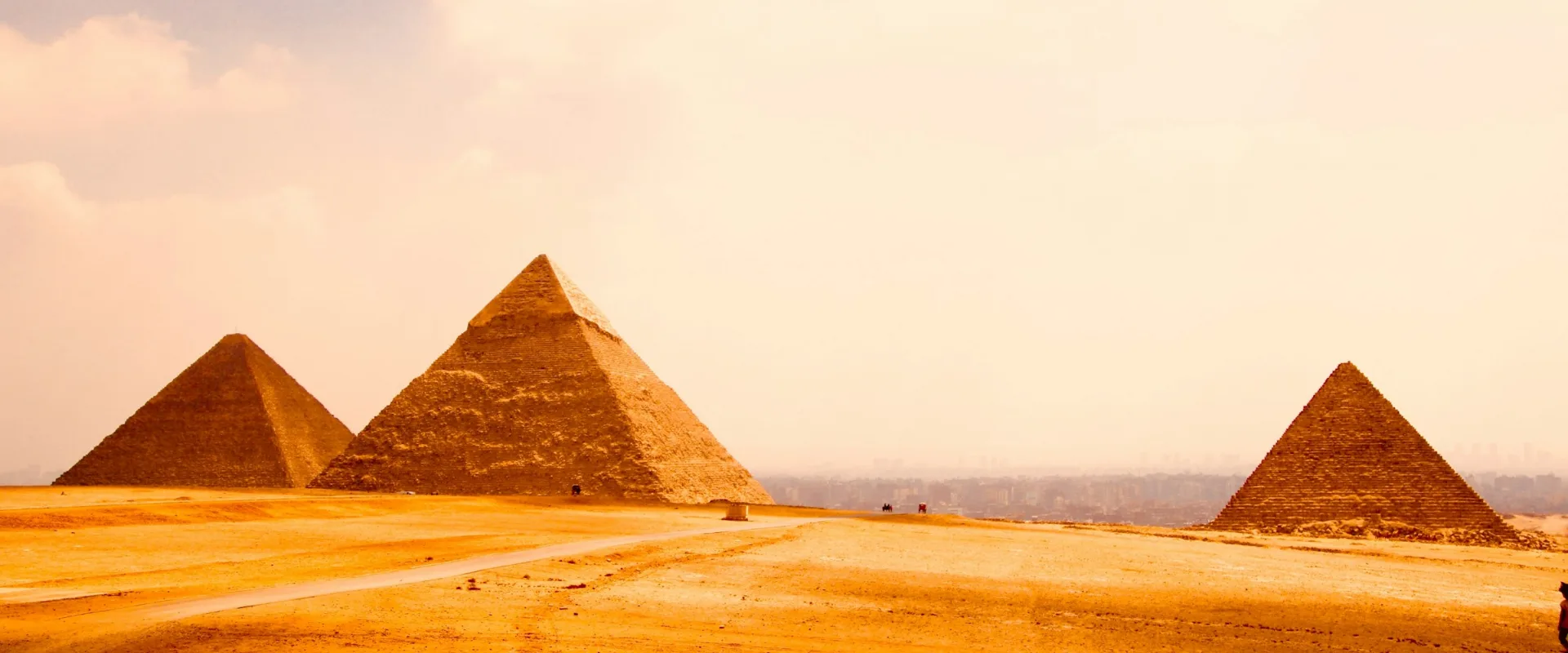
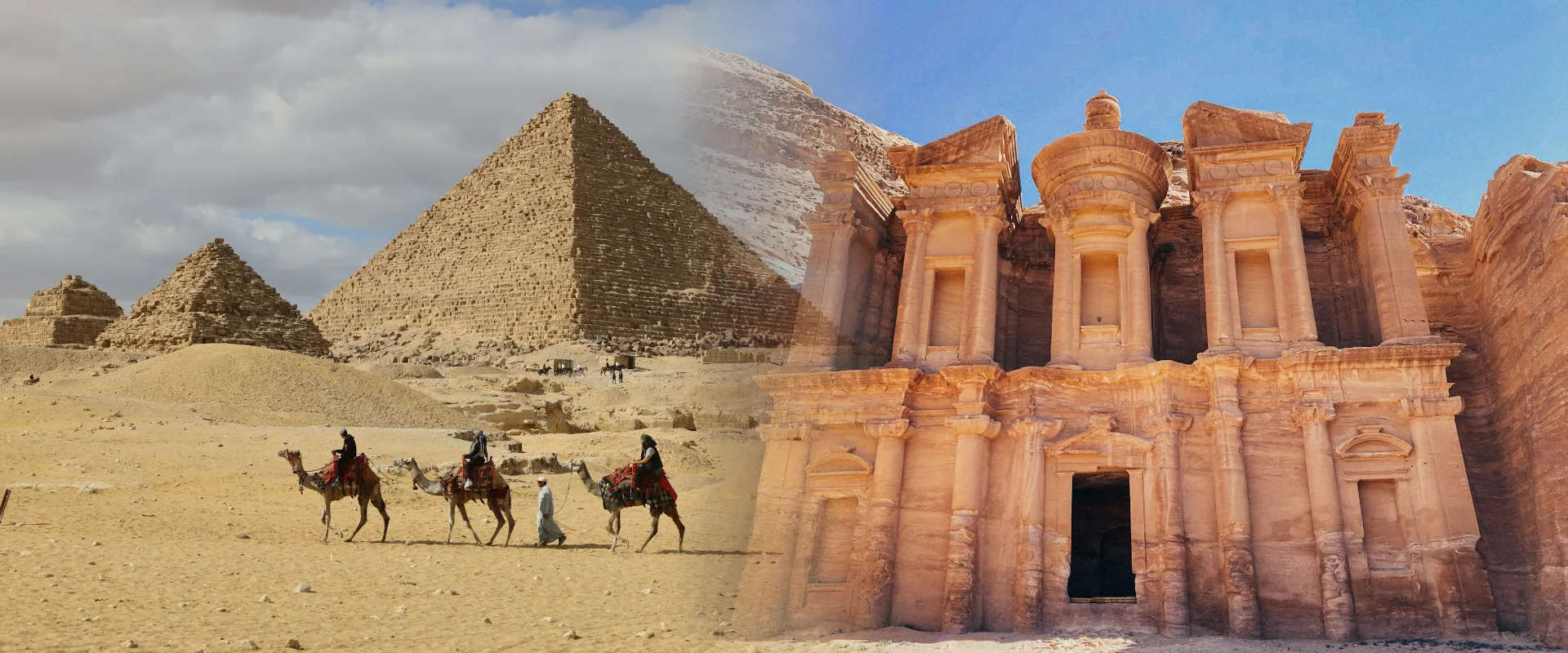
Pharaohs & Petra – 10 Days Egypt & Jordan with Nile Cruise: combine Petra with Egypt and a Nile cruise.
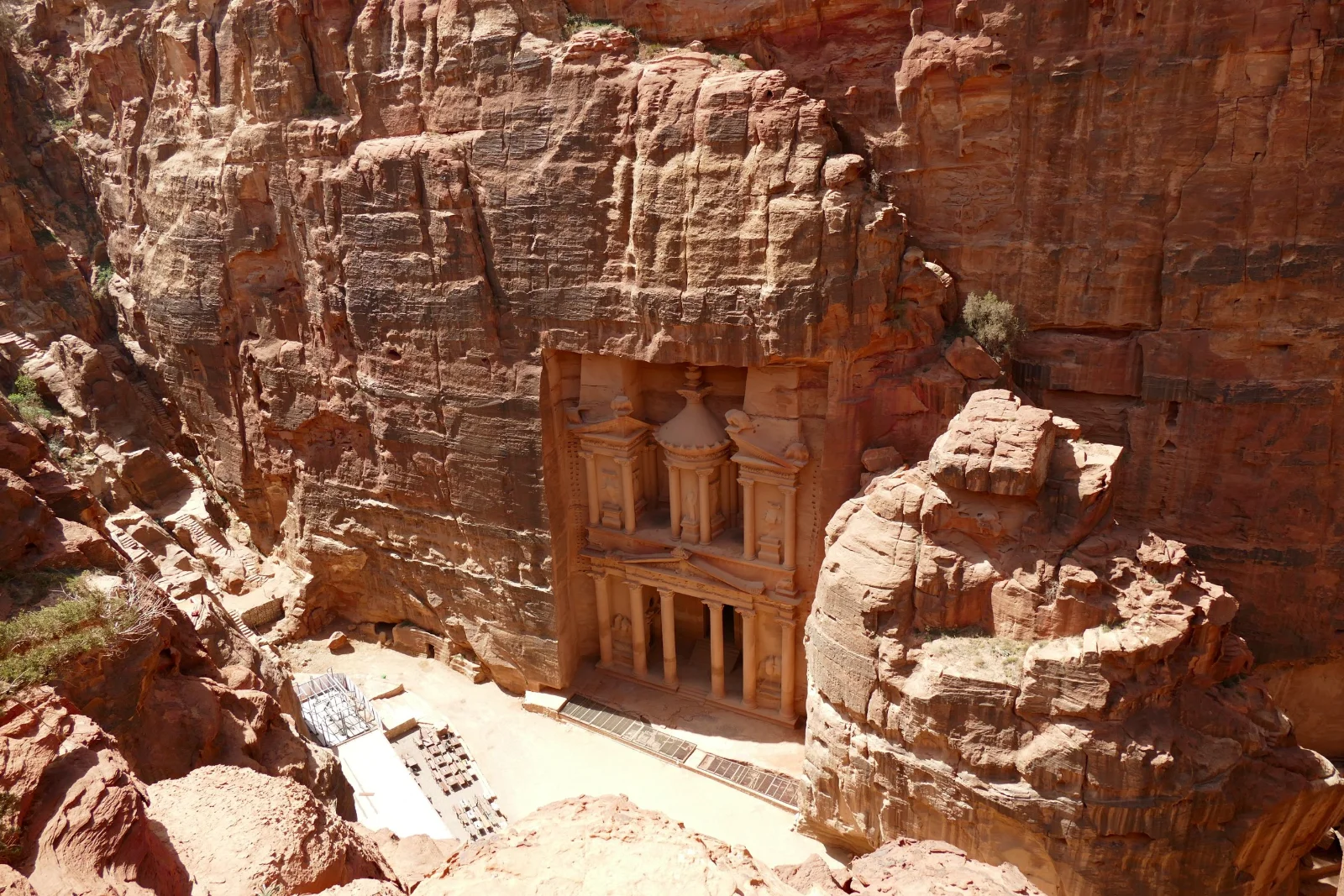
The Treasury: your first view at the end of the Siq. Explore Jordan Express – 3 Days Petra & Wadi Rum →
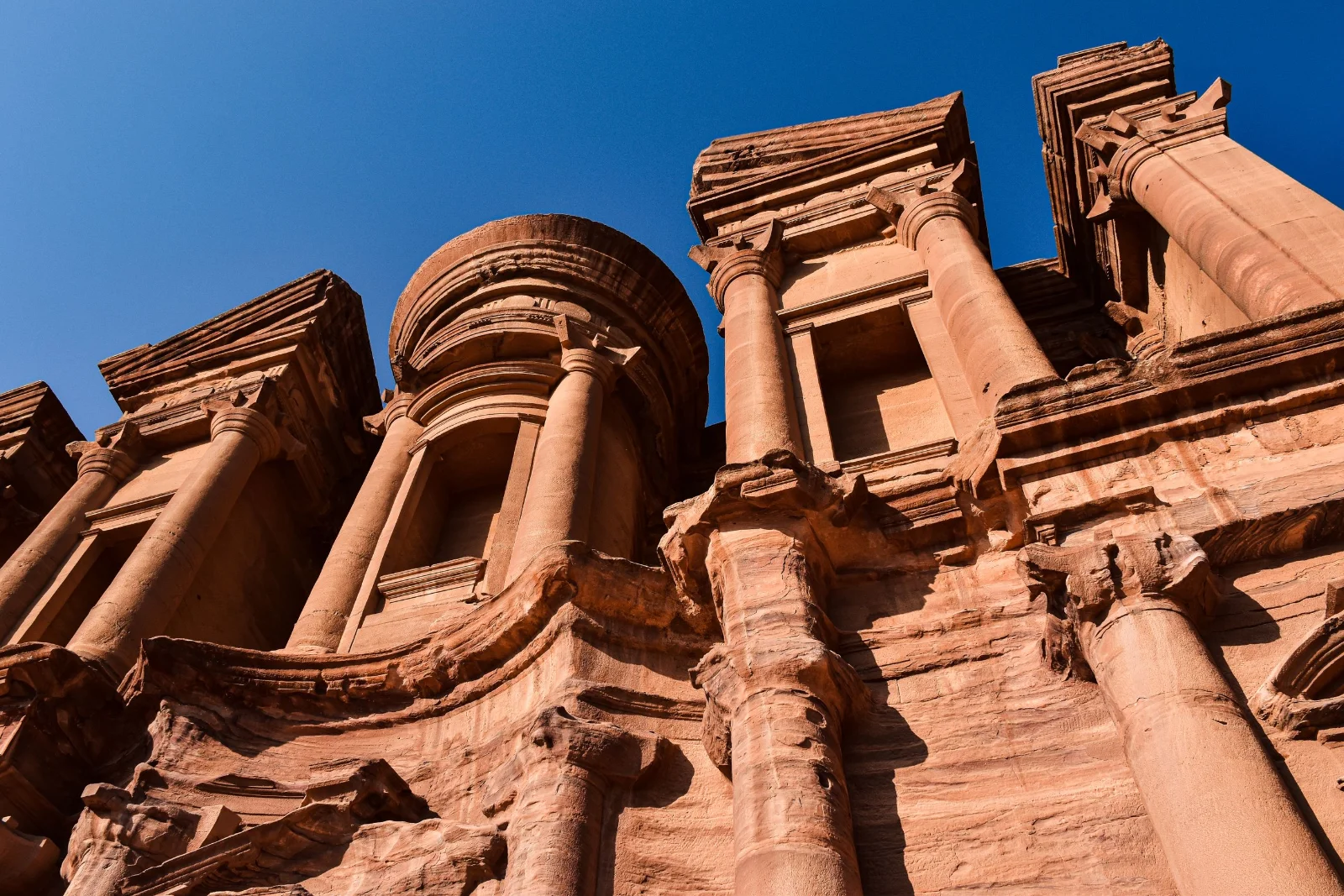
The Monastery: worth every one of its 800 steps. Explore Essential Jordan – 5 Days Amman, Madaba, Petra & Wadi Rum →
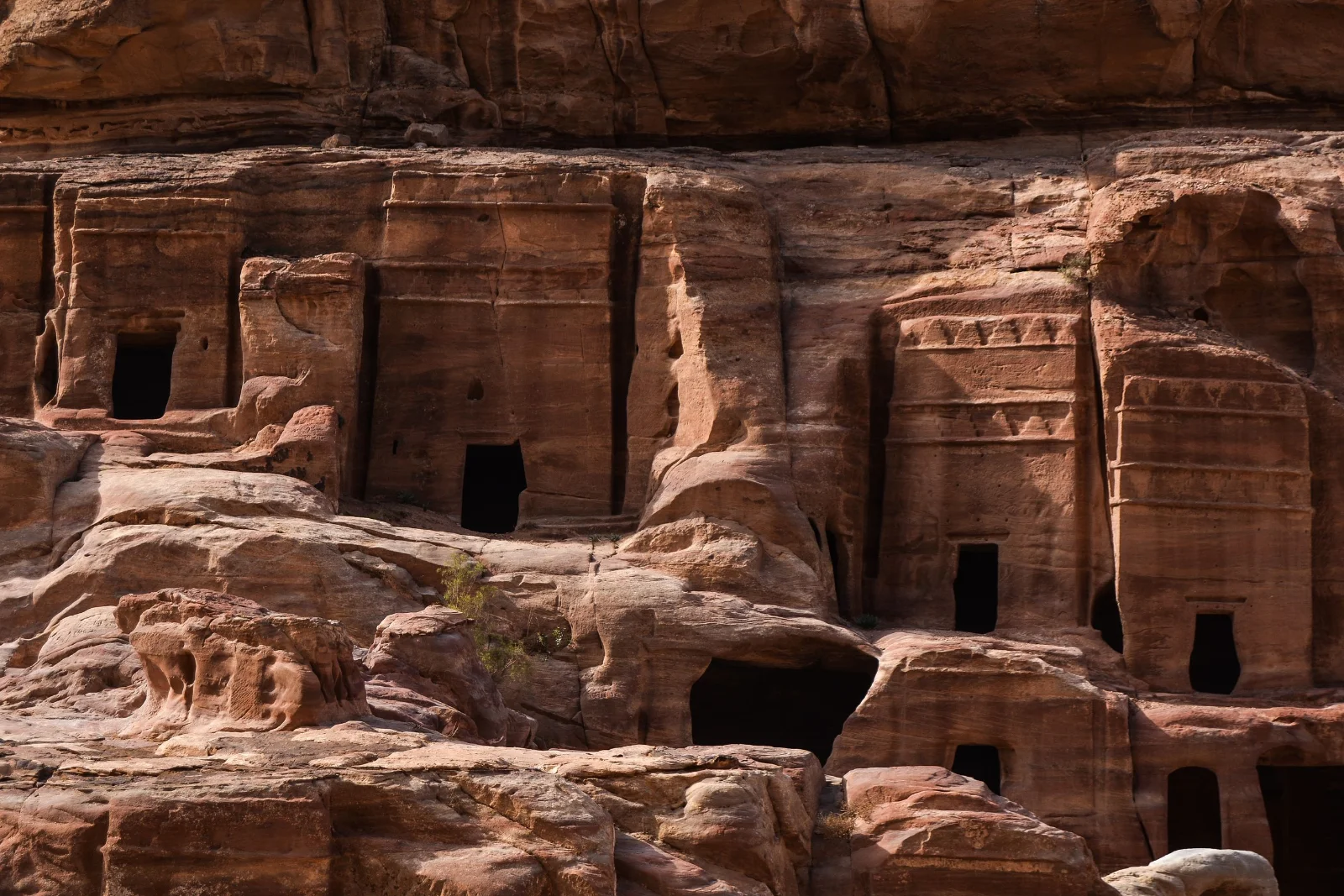
The Royal Tombs: the most impressive façades after the Treasury. Explore Classic Jordan – 7 Days Amman, Jerash, Petra & Wadi Rum →
Egypt and Petra together: discover both on one journey. Explore Pharaohs & Petra – 10 Days Egypt & Jordan with Nile Cruise →

Round-the-clock 24/7 support from expert local guides and a professional customer care team, before and throughout your trip.


Copyright © 2026 Egyptista