For more than a century, Egypt’s greatest treasures were packed into the much-loved but overcrowded Egyptian Museum on Tahrir Square. The Grand Egyptian Museum, or GEM, was conceived to give them the space they deserve.
Built on the edge of the desert plateau, about two kilometres from the Pyramids of Giza, it was officially inaugurated on 1 November 2025 and opened fully to the public a few days later.
The GEM is often described as the largest archaeological museum in the world dedicated to a single civilisation. Its centrepiece is something no visitor had seen before: the complete burial treasure of Tutankhamun, displayed together for the first time since Howard Carter emptied the tomb.
Whether you have two hours or a full day, this guide will help you find the highlights and plan your visit.
The idea of a new national museum at Giza took shape in the 1990s. In 2002 Egypt launched an international architectural competition that attracted well over a thousand entries from around the world. It was won by the Dublin-based practice Heneghan Peng Architects.
Construction stretched over two decades, slowed by political upheaval, financing challenges and the sheer complexity of the project. Meanwhile, conservators moved and restored tens of thousands of objects. They worked from a dedicated conservation centre on site, one of the largest of its kind.
Several of the moves became events in their own right. The colossal statue of Ramesses II was transported from Cairo’s Ramses Square in 2006. In 2021 Khufu’s 4,600-year-old cedar boat was carried in one piece from the foot of the Great Pyramid on a specially built vehicle.
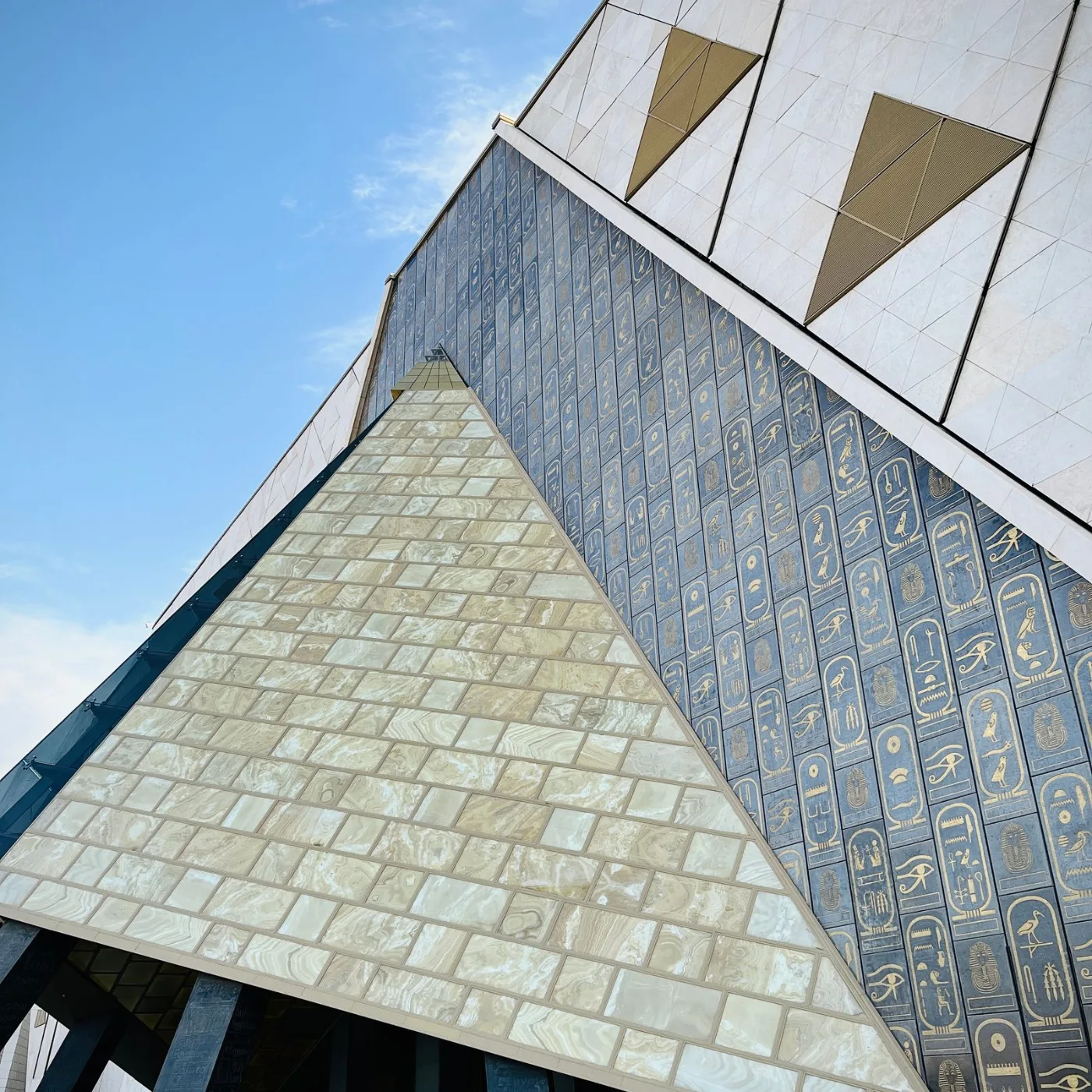
The museum’s long, angled walls follow sightlines towards the pyramids. Its translucent stone facade is patterned with triangles, a modern echo of pyramid geometry. Huge glazed openings flood the interior with natural light.
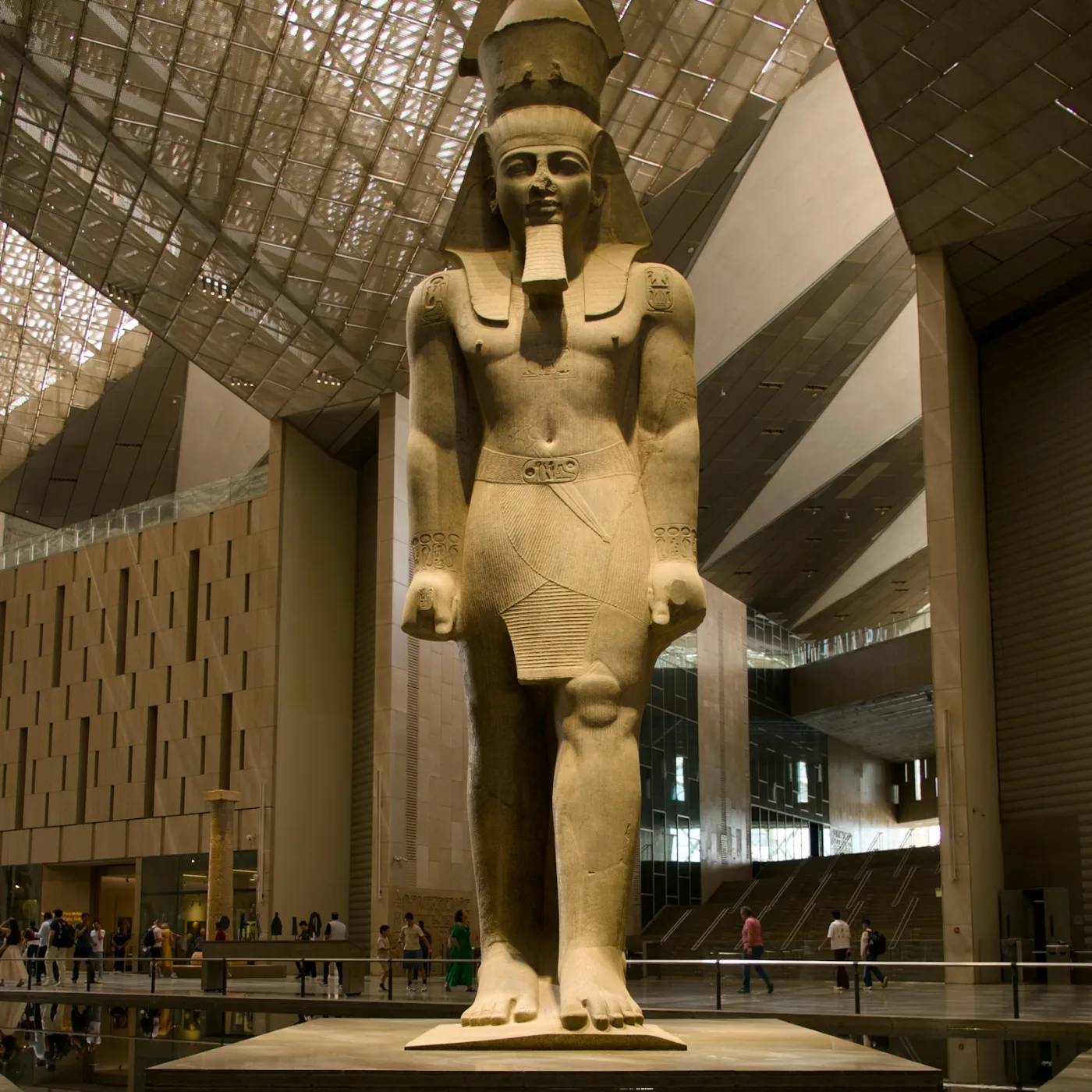
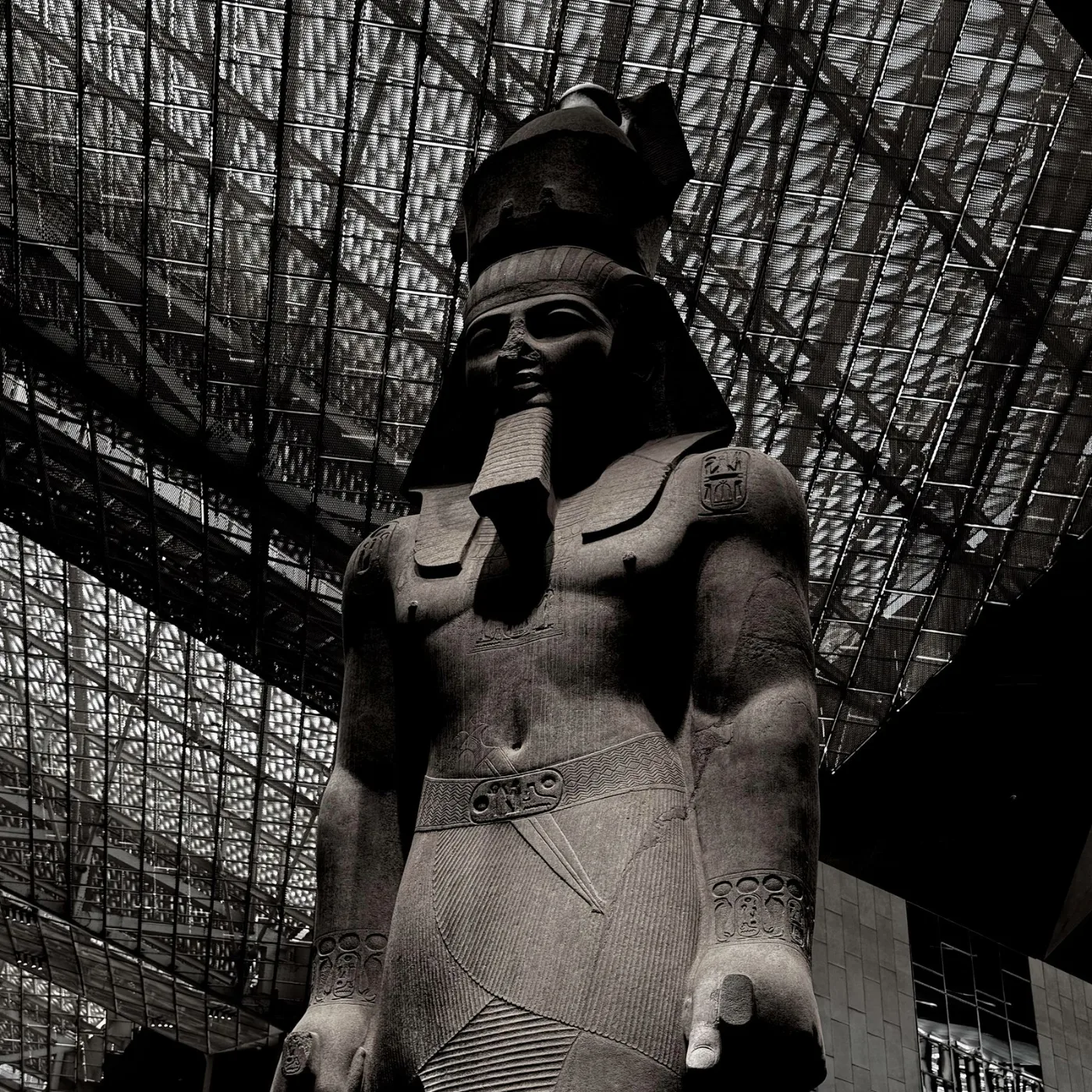
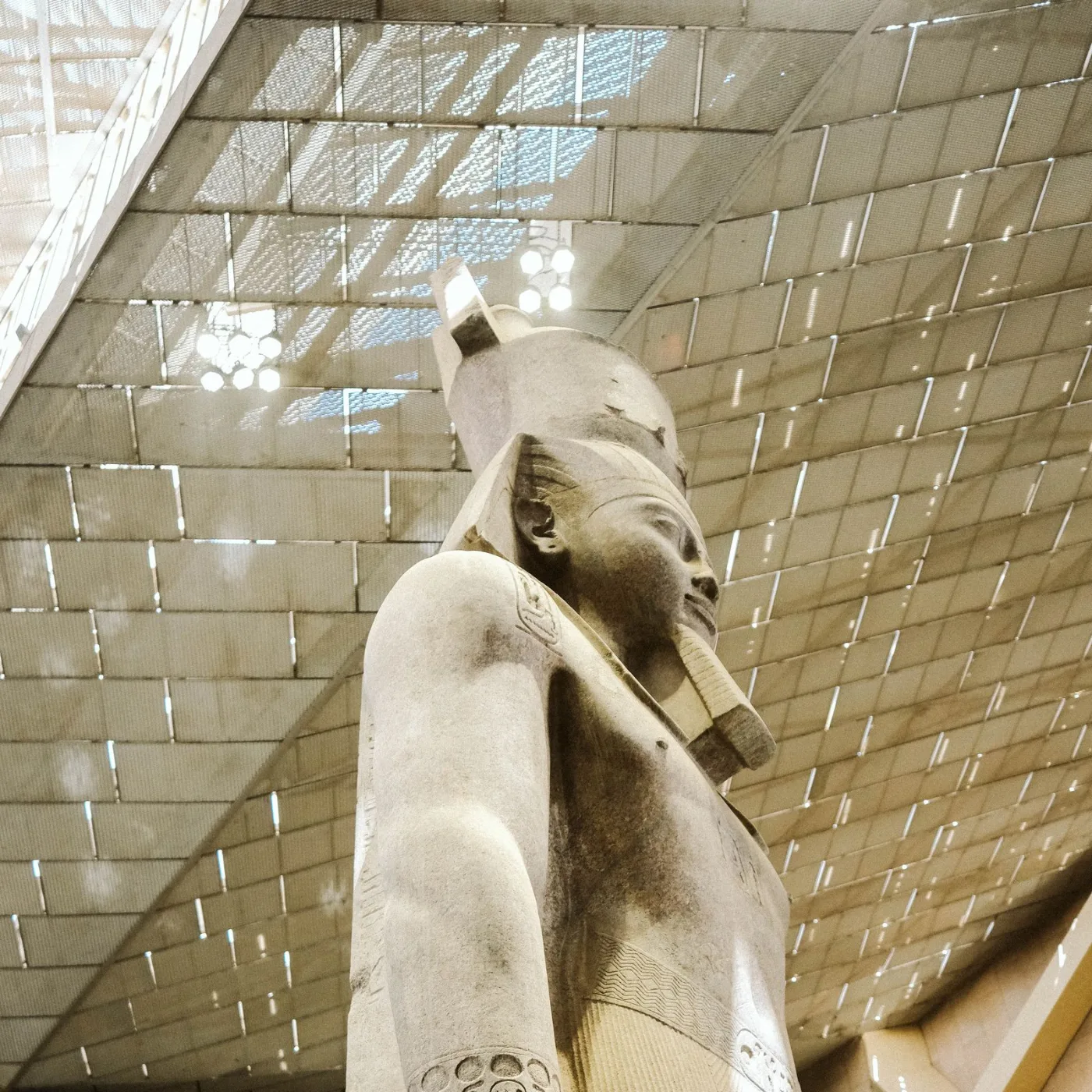
Visitors are welcomed by the colossal granite statue of Ramesses II, around 11 metres tall. It stands in a soaring atrium that also hosts temporary events and, since November 2026, the immersive light-and-sound show *Eternal Sun*.
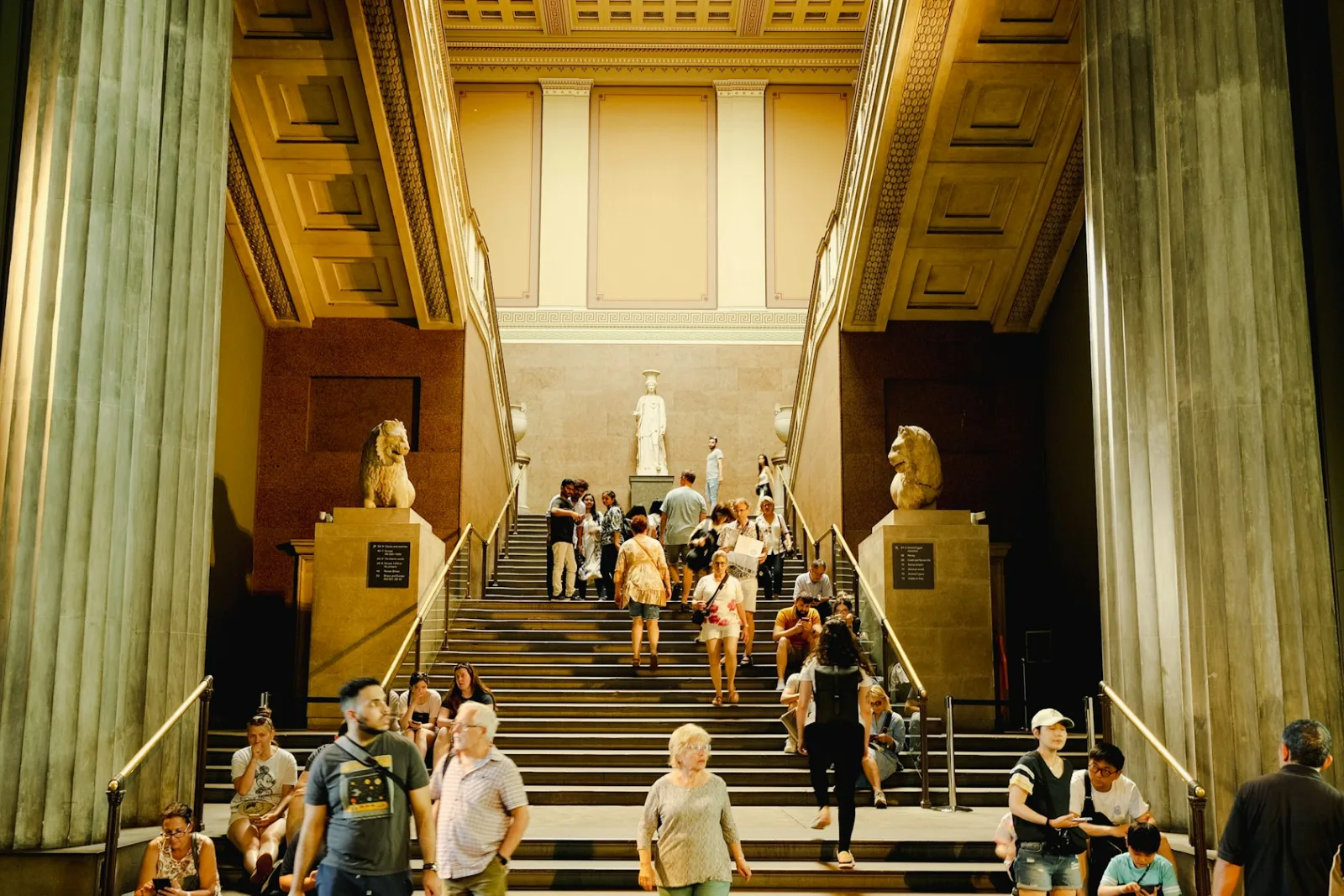
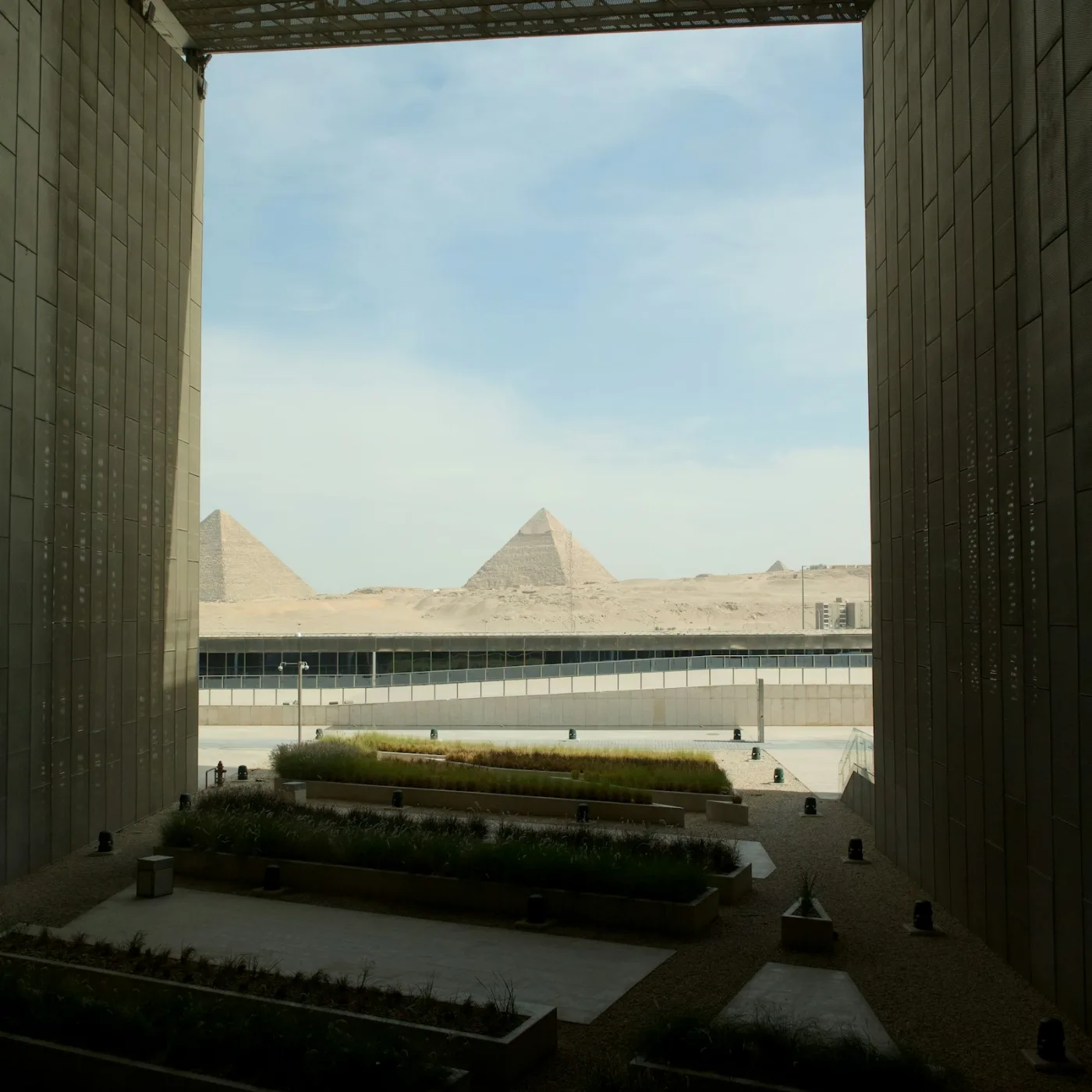
A monumental six-storey staircase is lined with dozens of kings, gods and sarcophagi. At the top, a vast window frames the pyramids on the horizon.
More than 5,000 objects from the boy king’s tomb fill two great halls, including his gilded shrines, chariots, jewellery, beds, weapons and the famous gold funerary mask.
The main galleries tell Egypt’s story from prehistory to the Roman era, arranged around the themes of society, kingship and beliefs. A separate pavilion houses Khufu’s solar boat, more than 40 metres long.
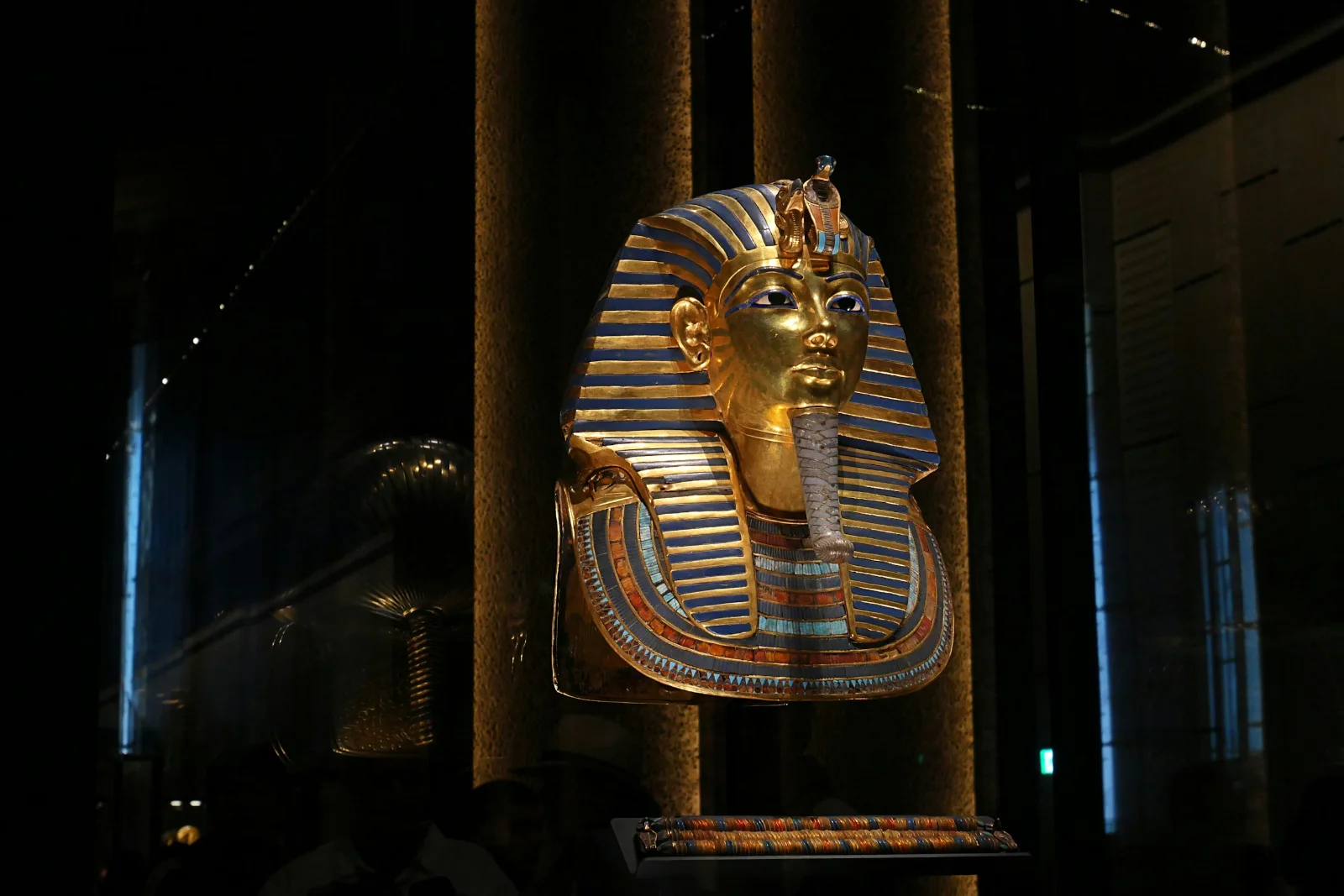
For the first time since Howard Carter opened the tomb in 1922, the entire burial treasure of Tutankhamun is shown together in one place. Two vast galleries hold all 5,398 objects found in the tomb, many of them displayed to the public for the first time.
How the galleries are arranged. The story unfolds in five themes: Discovery (the finding of the tomb), Lifestyle (the young king’s personal belongings), Rebirth (beliefs about the afterlife), Funeral (the burial and its treasures) and Identity, where a video reconstructs Tutankhamun’s face from his skull.
The golden mask. The famous funerary mask, about 54 cm tall and made of solid gold inlaid with glass and semi-precious stones, has its own space as the grand finale of the visit.
Shrines and coffins. You will see the four nested gilded shrines that once enclosed the sarcophagus, and the three coffins of the king, the innermost made of solid gold.
The golden throne. Its backrest shows Queen Ankhesenamun tenderly anointing her husband, one of the most intimate scenes in Egyptian art.
Six chariots. The tomb held six chariots, used for ceremony, hunting and travel. The richly decorated “state chariot” is a masterpiece of ancient craftsmanship.
A dagger from the stars. One of the most extraordinary pieces is a small dagger whose blade was forged from meteoritic iron. It has a gold handle and a rock-crystal pommel, and was found placed by the king’s right thigh.
Everyday life. Sandals, jewellery, board games, clothing and household objects bring the boy king to life as a real person, not only a legend. After the galleries, continue the story at his tomb in the Valley of the Kings.
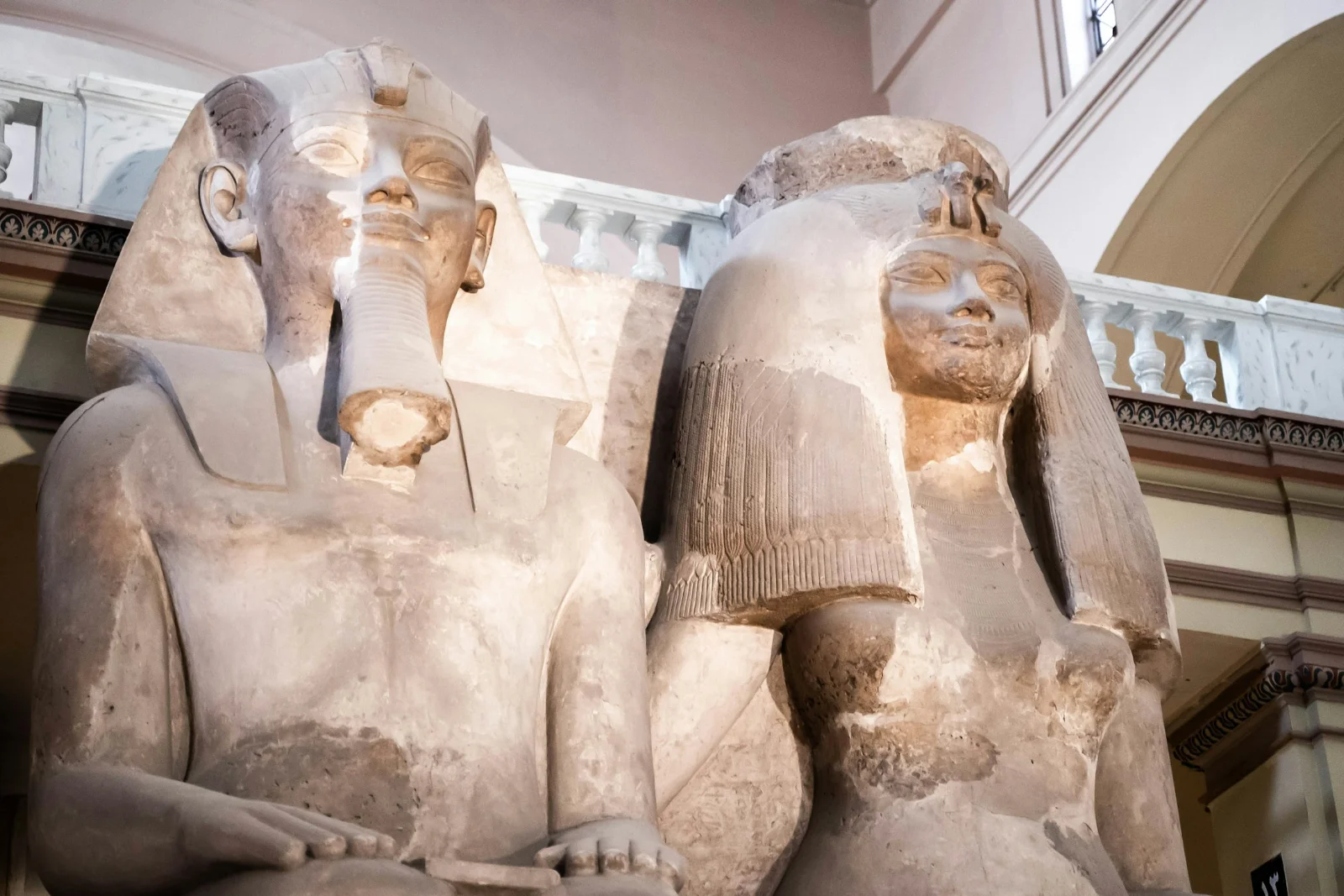
The hanging obelisk. Before you even enter, look up at the world’s first suspended obelisk. Raised by Ramesses II about 3,200 years ago, it is roughly 16 metres long and weighs around 87 tonnes.
It rests on four supports so you can walk beneath it and see the royal cartouche carved on its base, a part of an obelisk no one was ever meant to see.
The colossus of Ramesses II. In the Grand Hall stands the red-granite statue of Ramesses the Great, about 11 metres tall and weighing around 83 tonnes.
He reigned for 66 years and is remembered for the Battle of Kadesh. The statue was the first major piece brought to the site in 2018, and the museum was literally built around it. Shallow pools surround its base.
The Grand Staircase. A six-storey staircase rises from the atrium, lined with colossal statues of kings, sarcophagi and royal monuments arranged as an introduction to Egyptian kingship. At the top, a huge window frames the Great Pyramids of Giza, one of the most memorable views in Cairo.
Royal statues along the way. Look for the sphinx of Ramesses II and Merenptah, an alabaster monument of Seti I, statues of Queen Hatshepsut and of the revolutionary king Akhenaten, and a curious statue of the Roman emperor Caracalla dressed as a pharaoh.
The “cave” galleries. Four smaller, atmospheric galleries explore special themes: the Priestesses of Hathor, the Valley of the Kings, the workers’ village of Deir el-Medina and Egypt’s underwater cities.
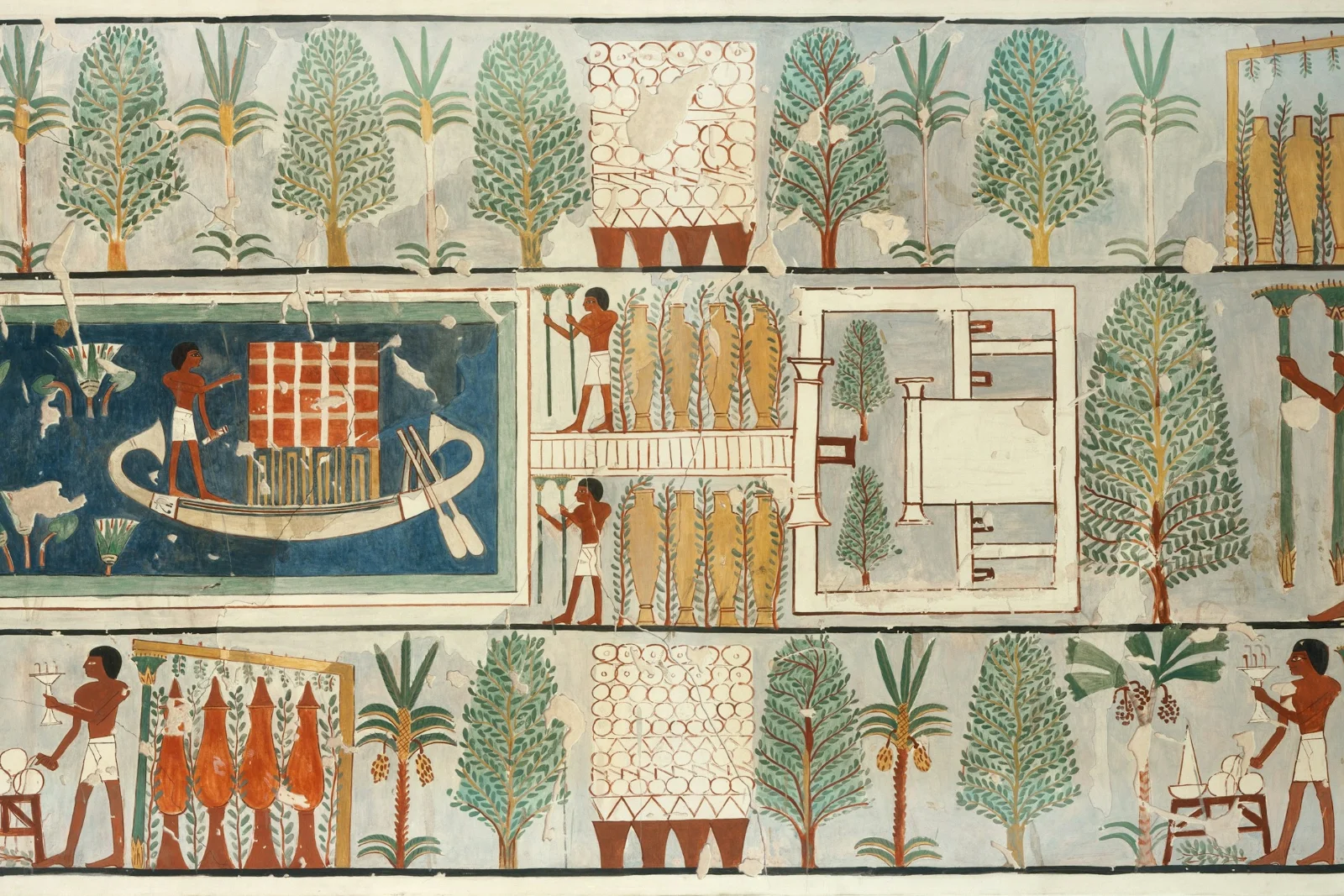
Behind the main building, across a plaza with a fountain, a separate museum is dedicated to the solar boats of King Khufu, the pharaoh who built the Great Pyramid.
One of the oldest ships in the world. The first boat is about 4,500 years old, built of cedar wood and about 42 metres long. It was discovered in 1954 in a sealed pit beside the Great Pyramid, dismantled into some 1,200 pieces, and was carefully reassembled by restorers over many years.
An extraordinary journey. In August 2021 the boat was moved in one piece from the Giza Plateau to the museum on a remote-controlled vehicle, a delicate operation followed around the world.
A second boat in progress. A second boat was found in a neighbouring pit. Its pieces were lifted from 2014 onwards, and it is being reconstructed inside the museum, so visitors can watch history being put back together.
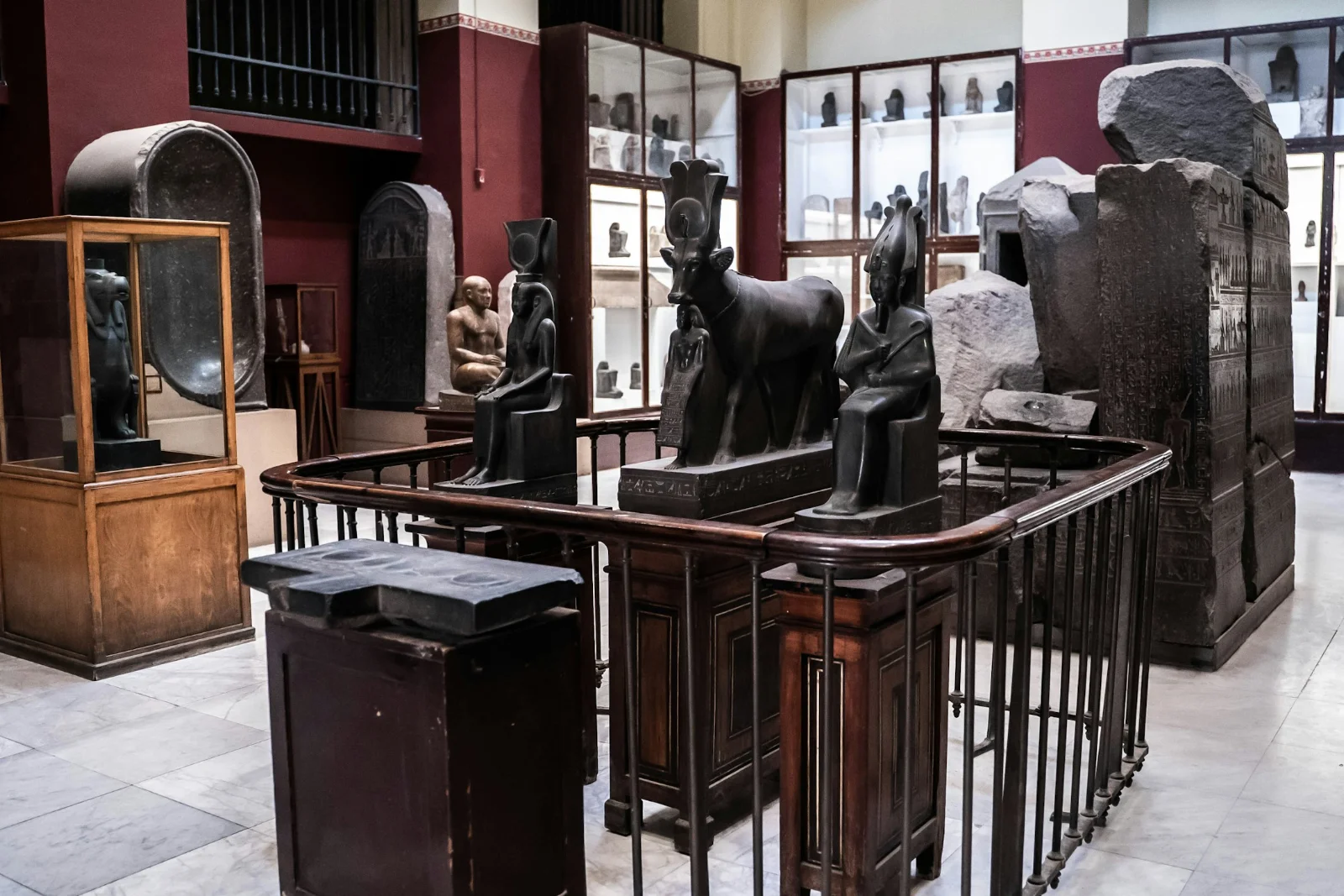
The GEM is the largest museum in the world dedicated to a single civilization. The complex covers about 500,000 m², and its collection numbers around 100,000 artifacts, tens of thousands of them on display.
Twelve main galleries. They take you from prehistoric Egypt to the Greco-Roman era, organized around three big ideas: Society, Kingship and Beliefs. Each one is divided by historical period, so you can follow a theme through time or focus on the era that fascinates you most.
Easy to explore. The galleries are numbered and clearly mapped, which makes it simple to plan a short highlights visit or a full day. Many visitors find that a whole day is worth it, and some come back for a second visit.
Modern displays. Precision lighting, multimedia screens and mixed-reality presentations help explain ancient Egypt to visitors of every age, while a large conservation centre on site cares for the collection.
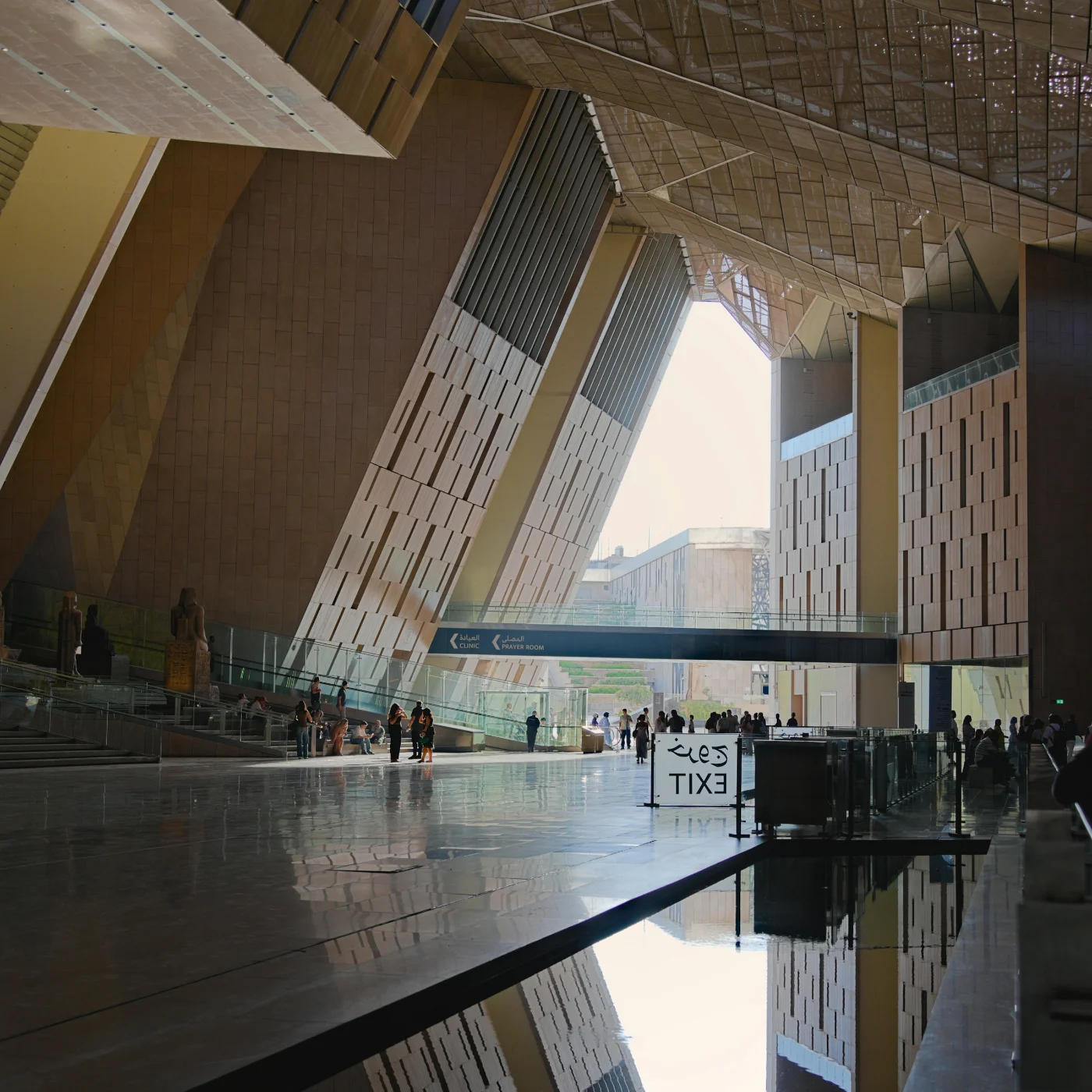
Eternal Sun light show. To celebrate the museum’s first anniversary, the GEM launched Eternal Sun, a 35-minute immersive light-and-sound experience in the Grand Hall. Projections and music turn the atrium and its colossal statues into a stage for 5,000 years of Egyptian history, inspired by the journey of the sun god Ra, sunrise and sunset, and the yearly Nile flood and harvest.
The show runs every evening except Wednesdays and Saturdays, with an English performance at 7:30 PM and an Arabic performance at 9 PM, and is scheduled until 30 April 2027.
Tutankhamun’s face. In the Identity section of the Tutankhamun Galleries, a video reconstructs the young king’s face from his skull, a moving way to meet him.
Guided tours. Guided tours are offered in English and Arabic, and private tours in other languages can be arranged.
Children’s museum. A dedicated children’s museum helps younger visitors discover ancient Egypt in a hands-on way, making the GEM a great day out for families.
Cultural events. The museum also hosts concerts, performances and major cultural events, including the Art Cairo contemporary art fair, so there is often something special happening during your visit.
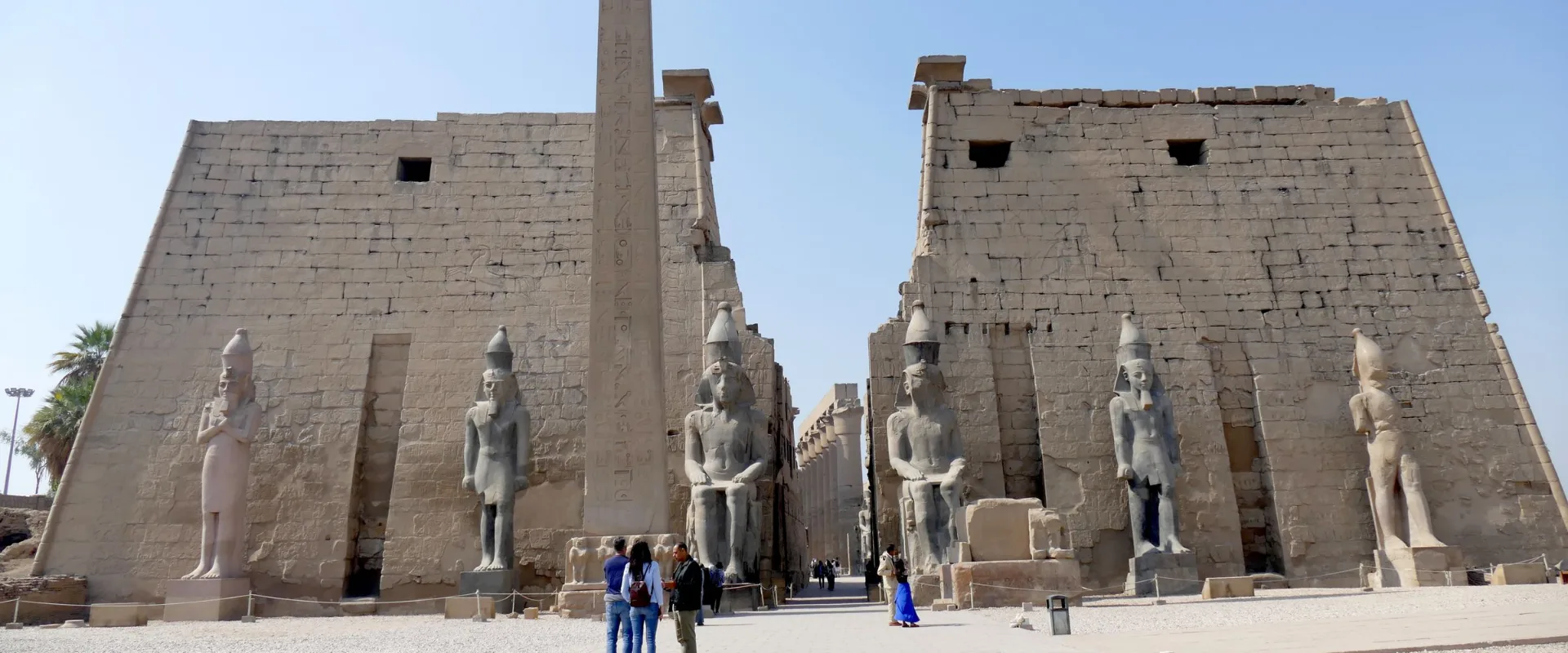
The hanging obelisk. In the entrance plaza, an obelisk of Ramesses II is raised on supports, so visitors can walk beneath it and see the cartouche carved on its base, a part normally hidden from view.
A statue that walked across Cairo. The Ramesses II colossus, weighing about 83 tonnes, made two journeys: from Ramses Square to the museum site in 2006, then into the Grand Hall in 2018.
Every piece in one place. Before the GEM, Tutankhamun’s treasure was divided between several museums and storerooms. Now the entire collection is reunited.
Two decades in the making. More than twenty years passed between the architectural competition in 2002 and the grand opening in November 2025, which was attended by leaders and dignitaries from around the world.
Follow the Tutankhamun story from the discovery of the tomb to the treasures of his afterlife.
Climb the Grand Staircase slowly. Each landing reveals a new era, ending with the view of the pyramids.
See Khufu’s boat and learn how it was buried, excavated and reassembled.
Book a guided tour at the museum or with your tour operator to understand the context of what you see.
Take a break in the museum’s cafés, gardens and shops.
Combine it with Giza. A morning at the pyramids and an afternoon at the GEM makes a perfect day.
Because the GEM is indoors and air-conditioned, it is a great choice all year round, especially on hot summer afternoons after a morning at the pyramids.
To avoid the largest groups, arrive at opening time or come in the later afternoon. The late-opening evenings are particularly pleasant. Allow at least three to four hours to see the highlights, or a full day if you love museums.
The GEM stands on the Cairo–Alexandria Desert Road at the edge of the Giza Plateau, about two kilometres from the pyramids.
By taxi or ride-hailing app: The easiest option from central Cairo or Giza hotels. Allow 45–60 minutes from downtown, depending on traffic.
From the pyramids: It is a short drive, and many tours combine the two in one day.
From the airports: Sphinx International Airport is nearby, and Cairo International Airport is usually about an hour away.
Tickets for foreign visitors (from 1 November 2026): EGP 1,830 for adults, and EGP 920 for students and children.
Opening hours: The galleries are generally open daily from 9:00 AM to 6:00 PM, with late opening until 9:00 PM on Wednesdays and Saturdays.
Where to buy: Through the museum’s official ticketing website, where you choose a time slot, or at the museum.
The ticket prices were announced by the museum for 1 November 2026. Opening hours and prices can change, so please confirm them on the official GEM website before your visit.
Tips: Bring your passport or ID if you are claiming a student or resident rate. Wear comfortable shoes, because the museum is very large.
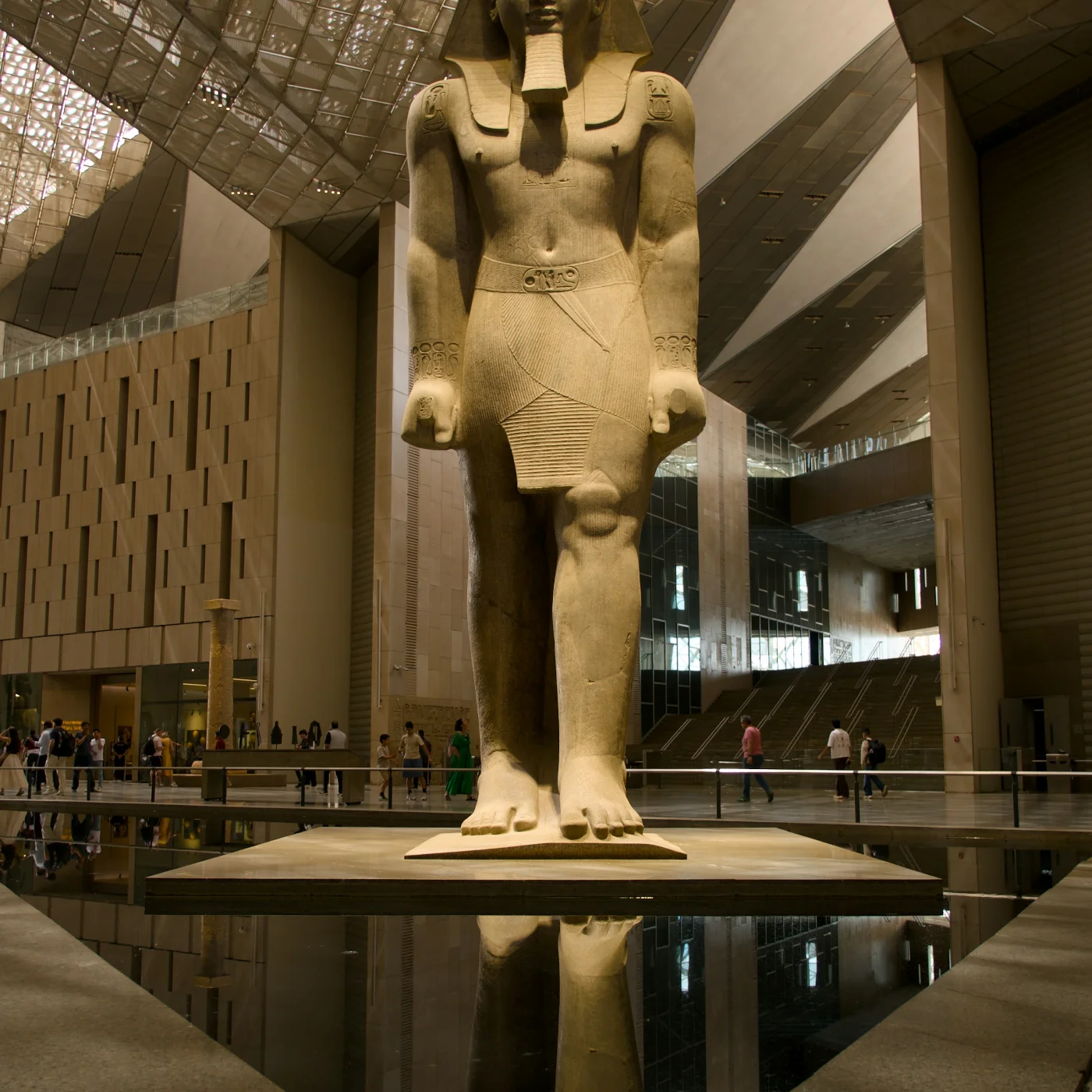
Capture the colossal statue of Ramesses II in the atrium from the top of the Grand Staircase.
The museum’s glass facade and the view towards the pyramids make a beautiful modern contrast.
In the Tutankhamun galleries, focus on the fine details of the gold, jewellery and inlay.
The GEM lets you see ancient Egypt as its creators intended, in light and space, with room to breathe. Seeing Tutankhamun’s treasure complete, rather than in scattered fragments, is a once-in-a-generation experience. After visiting the tombs and temples elsewhere in Egypt, you will recognise the gods, kings and symbols you meet here.
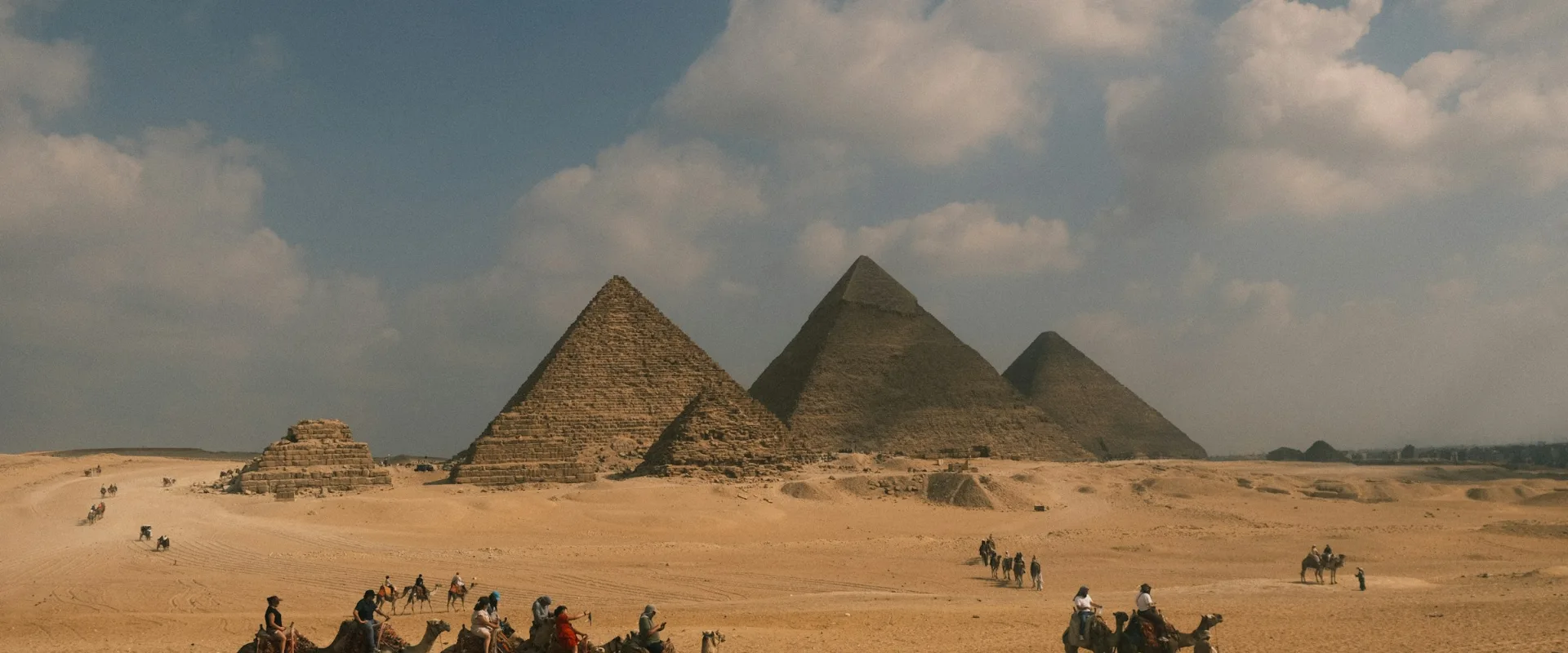
The Great Pyramids of Giza: the monuments framed by the museum’s windows.
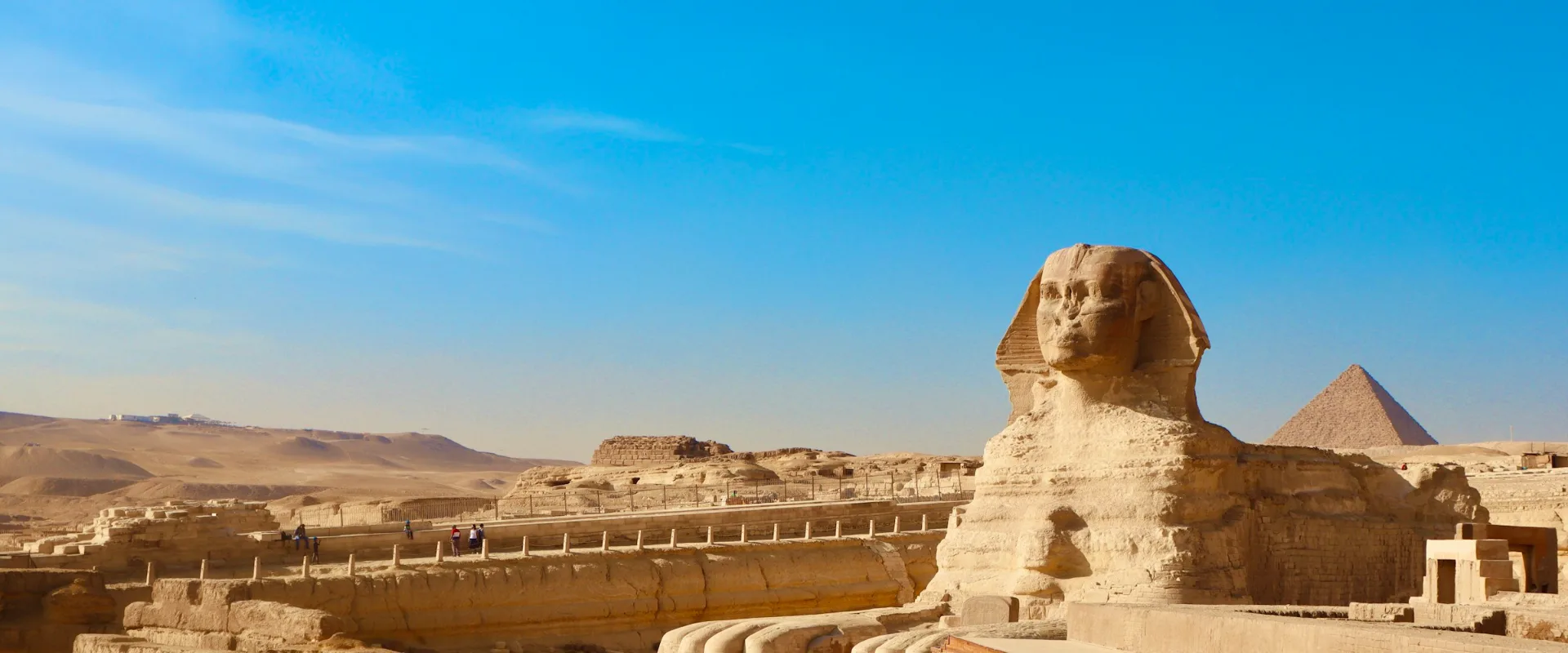
The Great Sphinx of Giza: the guardian of the plateau next door.
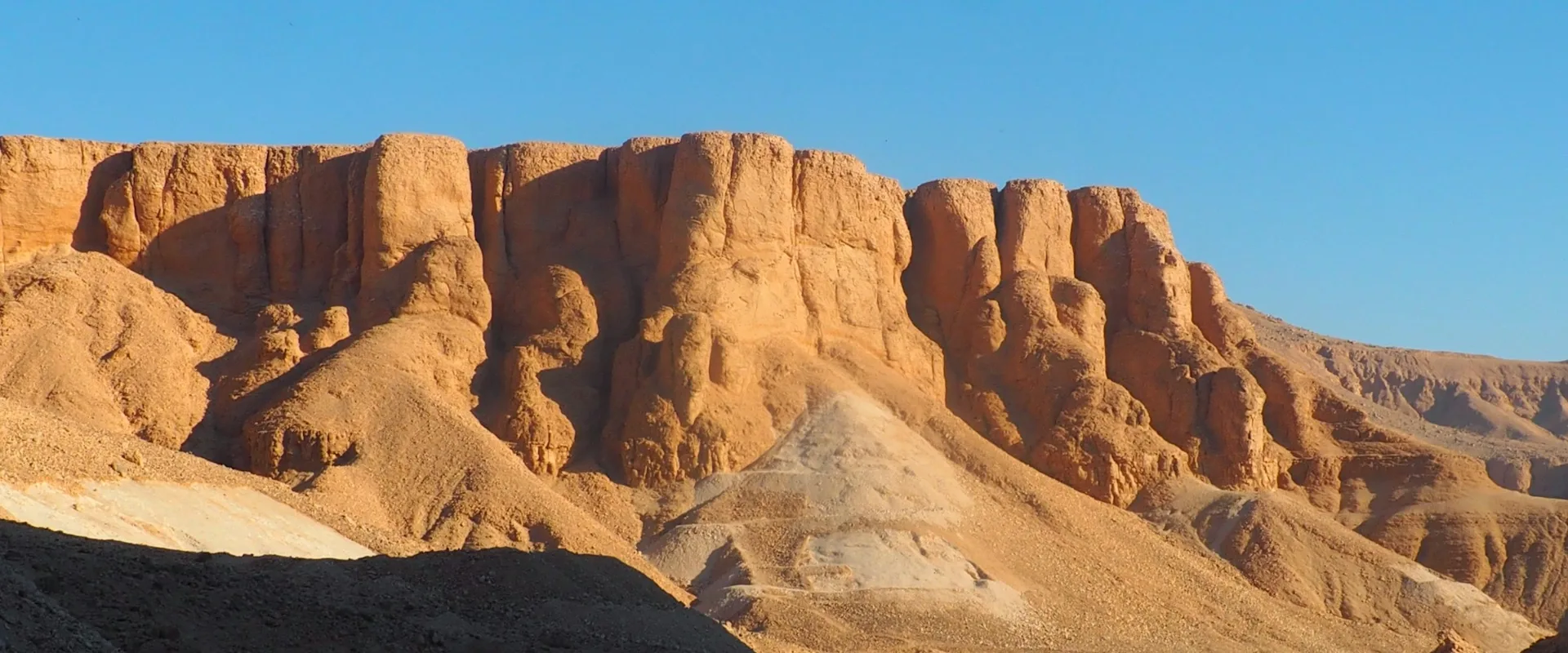
Valley of the Kings: the tomb where Tutankhamun’s treasure was found.
Khan el-Khalili Bazaar: continue to medieval Cairo for the evening.
Round-the-clock 24/7 support from expert local guides and a professional customer care team, before and throughout your trip.


Copyright © 2026 Egyptista